
L5P Duramax Common Problems (2017-Present): The Complete Owner and Buyer Guide
Oct 30th 2026
Table of Contents
- L5P Duramax Overview and Specifications
- DEF, SCR, and NOx Sensor Problems
- DPF, Regeneration, and EGR Issues
- MAP Sensor Soot Fouling
- Fuel Injector and Injector Connector Problems
- The Denso HP4 Fuel System: What Owners Should Know
- VGT Turbocharger and Vane Actuator Issues
- Cooling System, Coolant Level Sensor, and Block Heater Recall
- Glow Plugs and Cold Start Problems
- Transmission Notes by Model Year
- L5P Duramax Trouble Code Quick Reference
- The L5P Maintenance Plan
- Buying a Used L5P Duramax: Inspection Checklist
- L5P Parts and Support From Bostech
- Frequently Asked Questions
- Disclaimer
The L5P is the most powerful and most refined Duramax GM has built. It arrived for the 2017 model year with an all-new block, a new Denso fuel system, an electronically controlled variable geometry turbocharger, and a GM-developed engine control system. It started at 445 horsepower and 910 lb-ft of torque, and the 2024 update raised those figures to 470 horsepower and 975 lb-ft. Just as important to many buyers, it dropped the Bosch CP4.2 pump that defined the LML's ownership risk.
That does not make the L5P trouble-free. The engine's core hardware has proven very durable, but the systems around it, especially the diesel exhaust fluid and selective catalytic reduction system, the NOx sensors, the particulate filter, and several sensors and connectors, generate most of the complaints owners report. A few problems are tied to specific model years, and the transmission story changed completely in 2020. Knowing which issues are common, which are model-year specific, and which are simply normal wear makes owning or buying an L5P far more predictable.
This guide covers every common L5P Duramax problem, from DEF system derates and NOx sensor failures to MAP sensor soot fouling, the cylinder 4 injector connector, water pump and coolant system issues, the block heater recall, turbo actuator concerns, and transmission differences by year. It also includes a maintenance plan, a used truck inspection checklist, and guidance on parts. If you need help matching a part to your truck while you read, Bostech Auto's customer service team is available at 1-800-868-0057 or customerservice@bostechauto.com.
1. L5P Duramax Overview and Specifications
GM introduced the L5P for the 2017 Chevrolet Silverado HD and GMC Sierra HD. Although it keeps the Duramax family's 6.6-liter V8 displacement, it is a new engine in nearly every important respect. The block is a new casting with induction hardened cylinder walls and cross-bolted main bearing caps. The fuel system switched from Bosch to Denso, the turbocharger gained electronic vane control, and the engine management moved to a GM-developed controller.
Key L5P Specifications
- Model years: 2017 to present in Chevrolet Silverado HD and GMC Sierra HD trucks.
- VIN engine code: The eighth digit of the VIN is "Y" on L5P trucks.
- Displacement: 6.6 liters, 90-degree V8.
- Rating, 2017-2023: 445 horsepower and 910 lb-ft of torque.
- Rating, 2024 and later: 470 horsepower and 975 lb-ft of torque.
- Fuel system: Denso HP4 high-pressure pump with Denso solenoid injectors capable of multiple injection events per combustion cycle.
- Turbocharger: Variable geometry turbo with an electronic vane actuator.
- Emissions equipment: Cooled EGR, diesel oxidation catalyst, diesel particulate filter, and SCR with diesel exhaust fluid.
- Transmission: Allison 1000 six-speed for 2017-2019, and the Allison 10-speed (10L1000) from 2020 onward.
Model Year Changes That Matter
The L5P has been in production long enough to span several distinct phases. Problems and parts can differ between them, so it helps to know where a particular truck falls.
- 2017-2019: The original L5P in the older truck body, paired with the Allison six-speed. This period includes the cylinder 4 injector connector concerns and the block heater recall.
- 2020-2023: A new truck body and the switch to the Allison 10-speed. Some early trucks in this range had DEF tank heater issues addressed by GM.
- 2024 and later: An updated engine with 470 horsepower and 975 lb-ft, a new turbocharger, revised pistons, cylinder heads with improved cooling jackets, higher-flow injectors and rails for greater injection pressure, improved glow plugs, a stronger turbo vane actuator for better engine braking, and a new-generation engine controller.
What Changed From the LML
GM described the L5P as a next-generation Duramax, and the list of changes supports that. Beyond the new block and fuel system, the L5P received a new camshaft profile, revised cylinder heads, an electronically controlled turbo, and a control system developed in-house by GM rather than supplied by Bosch. Together, these changes raised power and torque substantially while improving emissions control. They also changed which parts fail and how problems are diagnosed, since many L5P systems behave differently on a scan tool than the equivalent systems on an LML.
- New block with induction hardened cylinder walls and cross-bolted main caps.
- Denso HP4 pump and Denso solenoid injectors in place of the Bosch CP4.2 and piezo injectors.
- Electronically actuated VGT turbocharger.
- GM-developed engine control system.
- Revised camshaft profile and cylinder head design.
The HP4 Is Not a CP4
Because the LML's CP4.2 pump was such a well-known problem, many buyers assume every Duramax since 2011 carries the same risk. The L5P does not use a CP4. GM moved to a Denso HP4 pump, a different design from a different supplier, and the L5P has not shown the pattern of catastrophic, system-contaminating pump failures that defined the LML. The HP4 still depends on clean fuel and good filtration, but it is not the same ownership risk. Our LML Duramax CP4 Pump Failure guide covers the LML's pump in detail for readers comparing the two generations.
How Long Does an L5P Last?
The L5P's block, rotating assembly, and cylinder heads have a strong durability record, and well-maintained engines commonly pass 250,000 miles. As with the LMM and LML, longevity depends far more on how the emissions system, cooling system, and fuel system are maintained than on the engine's core hardware. The problems that strand L5P owners are usually sensors, connectors, and emissions components rather than internal engine failures.
Who the L5P Suits
The L5P is the natural choice for buyers who want the most capable Duramax, tow heavy loads regularly, and value modern cab features. Its emissions system demands more attention than the simple systems on the LLY and LBZ, and it works best for owners who drive enough highway miles to keep the DPF and DEF injector clean. Buyers who mostly make short trips can still own an L5P successfully, but should plan regular longer drives and expect to spend more time on emissions system care.
2. DEF, SCR, and NOx Sensor Problems
The diesel exhaust fluid and selective catalytic reduction system is the most common source of L5P complaints. The system injects DEF into the exhaust ahead of the SCR catalyst, where it converts nitrogen oxides into nitrogen and water. To do that correctly, the truck relies on a DEF tank and heater, a DEF pump, a DEF injector, a DEF quality sensor, and two NOx sensors, one before the SCR catalyst and one after. A fault in any of these components can trigger warnings and, eventually, a speed-limited derate.
Common DEF and SCR Symptoms
- A "Service Emission System" or "Service DEF System" message on the dash.
- A countdown warning indicating that speed will be limited after a set distance.
- Reduced engine power or a speed-limited derate.
- A "Poor DEF Quality" message even after filling with fresh DEF.
- Code P20EE, which indicates SCR NOx catalyst efficiency below threshold.
- DEF consumption that seems unusually low or unusually high.
NOx Sensor Failures
NOx sensors are among the most frequently replaced parts on the L5P. They operate in a harsh environment, exposed to high exhaust temperatures and soot, and they contain sensitive electronics. A failed sensor can report implausible values, which can lead the ECM to conclude that the SCR system is not working and set efficiency codes or quality warnings. Some owners report replacing both NOx sensors more than once over the life of a truck.
A NOx sensor code does not always mean the sensor has failed. Poor DEF quality, a clogged DEF injector, an exhaust leak near the sensor, or a failing SCR catalyst can produce similar readings. Comparing upstream and downstream NOx values with a scan tool, checking DEF quality, and inspecting for exhaust leaks before replacing sensors avoids buying parts the truck does not need.
NOx Sensor Replacement Tips
When a NOx sensor does need replacement, a few details help the repair last. Identify which sensor has failed, upstream or downstream, rather than replacing both by default. Inspect the connector and harness for heat damage and corrosion, since a damaged connector can make a new sensor appear faulty. Apply the correct anti-seize to the threads if the sensor does not come pre-treated, and torque it to specification. After installation, clear codes and complete a drive cycle so the system can confirm normal operation.
- Confirm which sensor failed using live data before ordering.
- Inspect harness routing and connectors for heat damage.
- Repair any exhaust leaks near the sensor before installing the new one.
- Complete a drive cycle and verify readings after installation.
DEF Heater, Pump, and Injector Failures
DEF freezes at about 12 degrees Fahrenheit, so the tank includes a heater that keeps it liquid in cold weather. When the heater fails, DEF can freeze in the tank and the system cannot dose, which leads to warnings and a derate. Heater failures are especially common in cold climates. Some 2020 and early 2021 trucks had a DEF tank heater problem that GM addressed with a software update and, in some cases, replacement of the heater and its harness connector.
- DEF heater: Failures cause freezing, heater circuit codes, and derates in cold weather.
- DEF pump: A failing pump cannot maintain dosing pressure, leading to SCR efficiency faults.
- DEF injector: Crystallized DEF can clog the injector, especially on trucks that are not worked hard.
- DEF quality sensor: A failing sensor can report bad DEF when the fluid is fine.
- Wiring and connectors: Heat and corrosion at connectors can cause intermittent faults.
Understanding DEF Derates
When the SCR system cannot confirm that it is reducing nitrogen oxides, emissions regulations require the truck to warn the driver and eventually limit performance. The L5P does this in stages. The first stage is a dash message. If the fault continues, the truck displays a countdown, and once that distance runs out, speed is limited. Running the DEF tank empty triggers a similar sequence. The derate is the system working as designed, not a separate failure, and it clears once the underlying fault is repaired and the system verifies normal operation.
- Respond to the first DEF or emissions warning rather than waiting for the countdown.
- Never let the DEF tank run empty, especially before a long trip or while towing.
- After a repair, the truck may need a drive cycle before warnings fully clear.
- Keep a sealed container of DEF in the truck during long trips in remote areas.
DEF Injector Crystallization
DEF is a solution of urea in water. When it dries, the urea forms white crystals. On trucks that make short trips, idle frequently, or sit for long periods, DEF can dry around the injector tip and build up deposits that restrict dosing. A restricted injector underdoses, which lowers SCR efficiency and sets codes even when every sensor is working correctly. Inspecting the DEF injector and the area around it for crystal buildup should be part of any SCR efficiency diagnosis, particularly on lightly used trucks.
Diagnosing DEF and SCR Faults
Start with a full scan of every module, not just the engine controller, and record all codes and freeze frame data. Check DEF quality, which should read close to 32.5 percent urea concentration. Compare upstream and downstream NOx sensor readings under steady driving conditions. Inspect the DEF injector for crystal buildup and the exhaust for leaks near the sensors. Verify heater operation in cold weather. Work through these checks before replacing expensive components, because a single inexpensive fault can cause symptoms that point at several parts.
Always use fresh, sealed DEF from a reputable source, and store it away from heat and direct sunlight. DEF degrades with age and high temperature, and contaminated or diluted DEF is a common cause of quality warnings and SCR efficiency codes.
3. DPF, Regeneration, and EGR Issues
Like the LMM and LML before it, the L5P uses a diesel particulate filter that traps soot and periodically burns it off during regeneration. The L5P's regeneration strategy is more refined than earlier Duramax engines, but the basic rules have not changed. The filter needs heat and time to clean itself, and trucks that rarely get either are the ones that develop problems.
DPF Symptoms and Causes
- Frequent regeneration cycles and higher fuel consumption.
- Reduced power or a derate when soot load climbs too high.
- DPF differential pressure codes or soot accumulation codes.
- Rising oil level from fuel dilution after repeated interrupted regenerations.
- Short trips, long idle periods, and shutting the engine off during regeneration as common underlying causes.
DPF problems on the L5P are frequently linked to other faults. A failed NOx sensor, a faulty exhaust gas temperature sensor, or a DPF differential pressure sensor problem can prevent a regeneration from starting or completing. Injector problems and EGR faults increase soot production. Before condemning the filter, verify that the sensors the ECM relies on are reporting accurately and that the engine is not producing excess soot.
Fuel Dilution and Oil Level
Active regeneration uses extra fuel to raise exhaust temperature, and some of that fuel can end up in the engine oil. A small amount of dilution is normal on any DPF-equipped diesel. Repeated interrupted regenerations, leaking injectors, and long idle periods increase it. Diluted oil is thinner and protects bearings and other internal parts less effectively. Check the oil level regularly, and if it climbs between changes or smells strongly of fuel, shorten the change interval and look for the cause. Periodic oil analysis can track fuel dilution, coolant contamination, and wear metals over time.
Sensors That Cause False DPF Problems
Several inexpensive sensors and hoses can make a healthy DPF appear clogged. The DPF differential pressure sensor measures the pressure drop across the filter, and its hoses can crack, melt, or become blocked with soot, producing false readings. Exhaust gas temperature sensors tell the ECM whether the system is hot enough to regenerate, and a faulty sensor can stop a regeneration from starting. Checking these components first can save the cost of an unnecessary filter cleaning or replacement.
EGR Valve and Cooler Concerns
The L5P's cooled EGR system recirculates exhaust gas into the intake to lower combustion temperatures. As on every modern Duramax, soot from the EGR stream builds up on the EGR valve, in the cooler, and in the intake, and that buildup can cause sticking valves, reduced flow, and related codes. EGR coolers can also leak internally after many heat cycles, sending coolant into the exhaust. Coolant loss with no external leak, white smoke at startup, and rising soot loads are the signs to watch.
- Check EGR valve operation and position sensor readings with a scan tool.
- Pressure test the cooling system hot and cold if coolant loss is unexplained.
- Inspect the intake and EGR passages for heavy carbon on high-mileage trucks.
- Replace a leaking EGR cooler promptly, along with a cooling system flush.
Removing or disabling the DPF, EGR, or SCR system on a road vehicle violates the federal Clean Air Act and many state laws, and it can make a truck difficult to register, inspect, insure, or sell. The better approach is to fix the underlying cause of the fault so the system works as designed.
4. MAP Sensor Soot Fouling
The manifold absolute pressure sensor measures boost pressure in the intake, and the ECM uses that reading to control fueling, turbo vane position, and EGR. On the L5P, the MAP sensor can become coated with soot from the EGR stream and crankcase vapors. A fouled sensor reports inaccurate boost, which can cause reduced power, boost-related codes, and erratic turbo behavior.
Some owners have also linked MAP sensor problems to cold weather operation, especially on trucks driven in very low temperatures without a winter front, where moisture and soot combine more readily. Cleaning or replacing the sensor usually resolves the symptoms, but the problem can return if heavy soot production or EGR issues are not addressed.
- Symptoms include low power, boost codes, and inconsistent throttle response.
- Compare MAP readings with barometric pressure at key-on, engine-off.
- Inspect the sensor port and tip for heavy soot buildup.
- Replace a sensor that reads inaccurately after cleaning.
- Address EGR and soot sources so the problem does not return.
Cleaning Versus Replacing the MAP Sensor
A lightly fouled MAP sensor can often be cleaned with a sensor-safe cleaner and returned to service. A sensor that still reads inaccurately after cleaning, or one that fouls again quickly, should be replaced. Recurrent fouling is a sign that the engine is producing more soot than it should, so look at EGR operation, injector condition, and crankcase ventilation rather than replacing the sensor repeatedly.
5. Fuel Injector and Injector Connector Problems
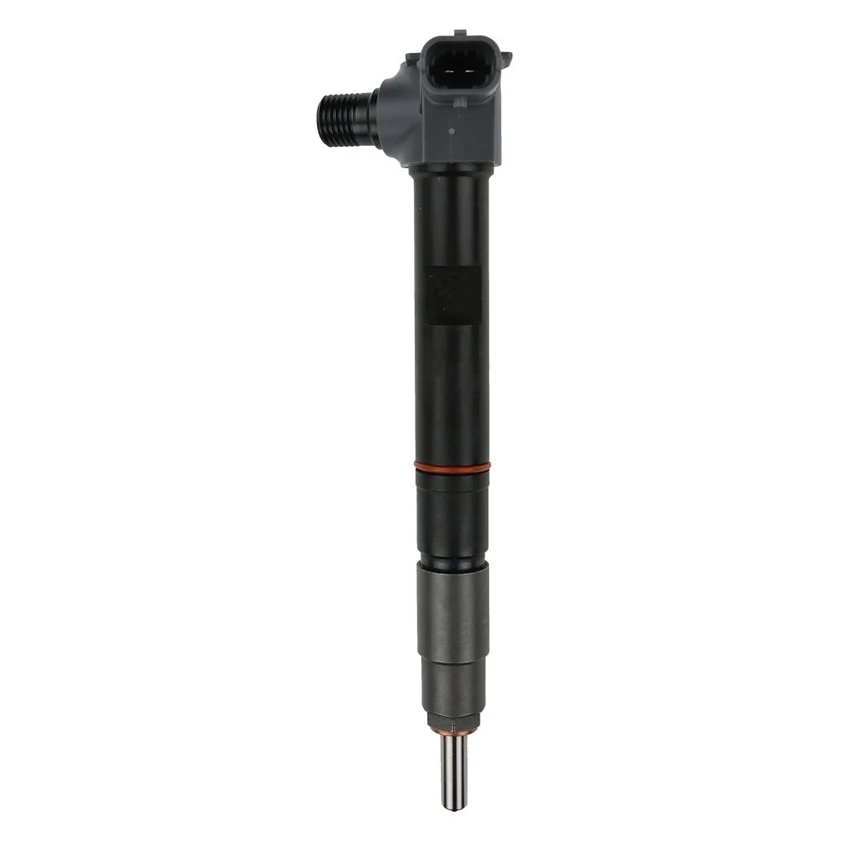
The L5P uses Denso solenoid-actuated injectors capable of multiple injection events per combustion cycle. The injectors themselves have a good durability record, but two related concerns appear often enough to deserve attention: electrical connector problems on certain cylinders and wear or imbalance at higher mileage.
The Cylinder 4 Injector Connector
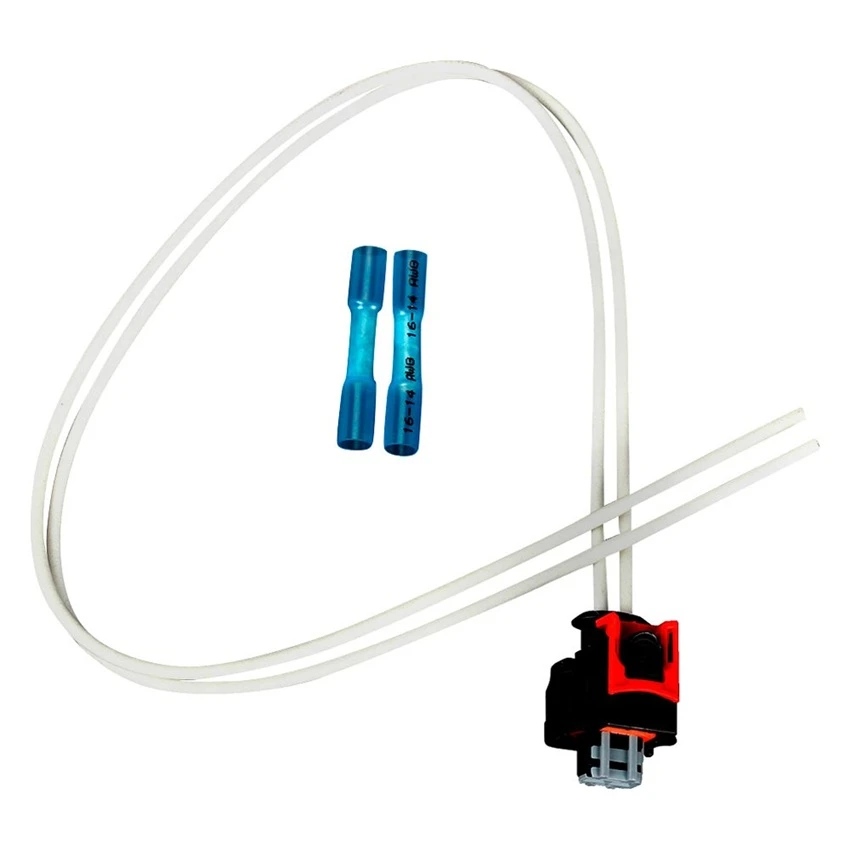
On 2017 through 2019 trucks in particular, the electrical connector for the cylinder 4 injector became a known trouble spot. A poor connection at that injector can cause a misfire, set code P0204 for the cylinder 4 injector circuit, and send the truck into reduced power mode. Because the problem is electrical, it can come and go with heat and vibration, which makes it frustrating to diagnose.
- Symptoms include a misfire, rough running, and reduced power.
- Code P0204 identifies the cylinder 4 injector circuit.
- Inspect the connector and terminals for looseness, corrosion, or heat damage.
- Check for any GM service updates that apply to your VIN.
- Confirm the repair by monitoring for the code over several drive cycles.
Fuel Quality and Injector Life
The L5P's injectors operate with very tight internal clearances, and their life depends heavily on the fuel that passes through them. Water causes corrosion and wear, abrasive particles damage internal surfaces, and poor fuel quality can lead to deposits on the nozzle. Owners who keep fuel filters fresh, drain water promptly, and buy fuel from busy stations tend to get much longer injector life than those who do not. A sudden change in how the truck runs shortly after a fill-up is worth investigating before driving further.
Injector Wear and Balance Rates
At higher mileage, any common-rail injector can wear, drift out of calibration, or develop excessive return flow. Worn L5P injectors cause rough idle, increased smoke under load, higher soot production, and more frequent regenerations. GM issued injector revisions over the L5P's production run, so replacement injectors may differ from the originals installed on early trucks.
Injector balance rates, read with a capable scan tool at a warm idle, show how much the ECM must correct each cylinder's fueling. An injector that needs a much larger correction than the others, or a set with widely spread values, deserves further testing. Return flow testing can confirm whether an injector is leaking internally. Fuel quality plays a large role in injector life, so water, contamination, and overdue filters all shorten it.
- Check balance rates warm, at idle, with electrical loads off.
- Perform return flow testing if rail pressure or starting problems are present.
- Replace injectors as a matched set on high-mileage engines when several are worn.
- Replace injector seals and hardware with the injectors.
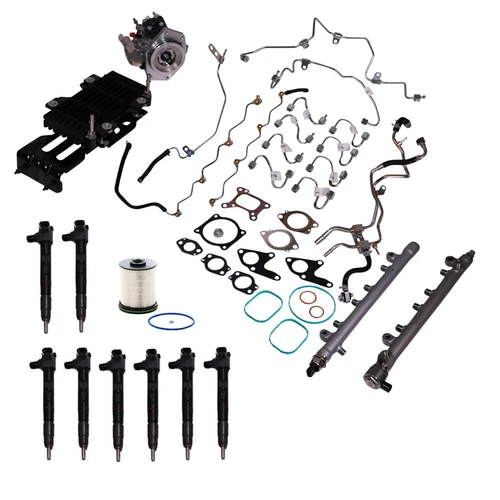
Bostech Auto supplies remanufactured Duramax injectors built and tested to OE specifications. Call 1-800-868-0057 to confirm the correct injector for your L5P, since part numbers can vary by model year and revision.
6. The Denso HP4 Fuel System: What Owners Should Know
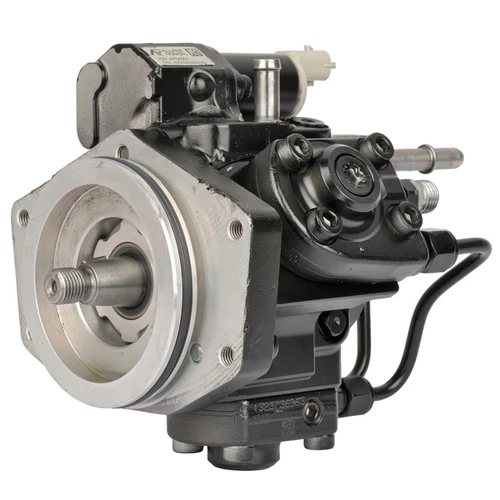
The L5P's Denso HP4 pump replaced the Bosch CP4.2, and it has not shown the LML's pattern of catastrophic pump failures. That is good news, but it does not mean the fuel system can be ignored. The HP4 and the Denso injectors still depend on clean fuel free of water and debris. Unlike the LML, the L5P includes a factory electric lift pump that supplies fuel to the high-pressure pump, which reduces the suction-side air problems that affected earlier trucks.
Fuel System Care
- Replace the fuel filter on schedule using an OE-quality filter.
- Drain the water separator regularly and respond immediately to "Water in Fuel" warnings.
- Buy fuel from high-volume stations and avoid running the tank very low.
- Inspect used filters for debris or water as an early warning of trouble.
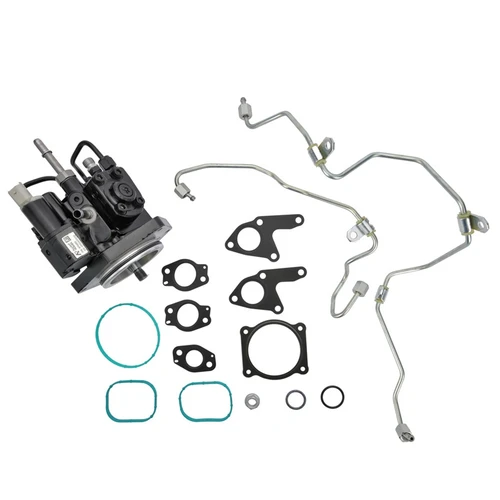
Low rail pressure codes on an L5P are more often caused by a restricted filter, a lift pump problem, an air leak, or injector return leakage than by HP4 failure. Diagnose the supply side and injectors before replacing the high-pressure pump. The 2024 update brought a revised high-pressure pump and higher-flow injectors and rails to support greater injection pressure, so confirm the correct parts for your model year.
Lift Pump and Supply Side Problems
Because the L5P has a factory lift pump, the supply side includes components that earlier Duramax engines did not have. A weak or failing lift pump, a wiring problem, or a restricted filter can reduce supply pressure and set low rail pressure codes. Symptoms include hard starting, reduced power under load, and P0087. Testing supply pressure and checking the lift pump's electrical circuit should come before any high-pressure pump diagnosis. Air leaks at filter connections can also cause rough running and pressure fluctuations.
- Test fuel supply pressure before condemning the high-pressure pump.
- Check the lift pump's power, ground, and connector.
- Replace a restricted filter and inspect filter housing seals for air leaks.
2024 Fuel System Changes
The 2024 update revised the fuel system to support higher injection pressure. The high-pressure pump, injectors, and fuel rails all changed, so parts from 2017-2023 trucks may not fit or function correctly on a 2024 or later engine, and the reverse is also true. When ordering fuel system parts, always confirm the model year and VIN rather than relying on the engine code alone.
7. VGT Turbocharger and Vane Actuator Issues
The L5P's variable geometry turbocharger uses an electronic actuator to move its vanes, rather than the solenoid-controlled actuation used on earlier Duramax engines. Electronic control gives the ECM precise command of boost and the exhaust brake function. The actuator and the vane mechanism are still exposed to heat and soot, and both can cause problems over time.
Common Turbo Symptoms
- Underboost or overboost codes and reduced power.
- Turbo vane position or actuator performance codes.
- Sluggish response or surging boost.
- Weak or inconsistent exhaust brake performance.
- Turbo lag under load reported by some owners of early trucks.
Diagnosis begins with the actuator's electrical connection and its commanded versus actual position. If the actuator responds correctly but boost is still wrong, the problem may be sticking vanes, a boost leak, an exhaust leak ahead of the turbo, or a faulty MAP sensor. Soot buildup on the vanes and unison ring behaves the same way it did on earlier Duramax turbos, and cleaning the vane mechanism can restore operation when there is no internal damage.
The 2024 update introduced a new turbocharger design and a more powerful vane actuator, partly to improve engine braking. When replacing a turbo or actuator, confirm the correct part for your model year. Our Duramax Turbo Problems troubleshooting guide covers vane sticking and boost diagnosis across Duramax generations.
Turbo Oil Supply and Bearing Wear
Not every L5P turbo problem involves the vanes or actuator. At high mileage, shaft play, oil seepage into the compressor or turbine housing, and damaged wheels can also occur. Poor oil change habits, restricted oil drains, and excessive crankcase pressure all shorten turbo bearing life. Check for shaft play with the intake and exhaust disconnected, look for oil in the charge air piping, and replace any turbo with wheel contact or damaged blades rather than attempting to clean it.
Getting the Most From the Exhaust Brake
The L5P's exhaust brake works by closing the turbo vanes to create backpressure, which slows the truck on descents and reduces wear on the service brakes. Because it relies on the vane mechanism, a weak or inconsistent exhaust brake can be an early sign of vane sticking or actuator trouble. Using the exhaust brake regularly also helps keep the vanes moving through their full range, which can reduce the chance of carbon causing them to stick.
8. Cooling System, Coolant Level Sensor, and Block Heater Recall
The L5P's cooling system is generally reliable, but several cooling-related issues show up in owner reports, and one of them led to a safety recall. Cooling problems deserve prompt attention on any diesel, because overheating can damage head gaskets and cylinder heads on even the strongest engine.
Water Pump Leaks
Water pump seepage has been reported on some L5P trucks, with early model years mentioned most often. A leaking pump typically shows coolant residue or drips near the weep hole and a slowly dropping coolant level. Replace a leaking pump before it fails completely, and replace its seals and gaskets at the same time.
Coolant Level Sensor and Reservoir
A failed coolant level sensor can trigger low coolant warnings when the level is fine. On some trucks the sensor is integrated with the coolant reservoir, so the repair involves replacing the reservoir. Before replacing parts, confirm the actual coolant level and inspect for leaks, since a real coolant loss and a faulty sensor produce the same warning.
Engine Block Heater Recall
GM recalled certain 2017 through 2019 L5P trucks equipped with the optional engine block heater cord under NHTSA campaign 21V496. A short circuit could develop in the heater cable or in the terminals connecting the cable to the block heater, creating a fire risk. The remedy was replacement of the engine block heater and cord. Anyone buying or owning a 2017-2019 L5P should confirm that this recall has been completed, which a GM dealer can check by VIN. For 2024, GM added a larger block heater with a more convenient cord location.
- Check the VIN for open recalls, including campaign 21V496 on 2017-2019 trucks.
- Do not use the block heater on an affected truck until the recall is completed.
- Inspect the block heater cord for damage, melting, or discoloration.
Choosing the Right Coolant
Use the coolant type GM specifies for your L5P, and avoid mixing incompatible coolants, which can reduce corrosion protection and contribute to seal wear and sludge. After any cooling system repair, refill to the correct concentration and bleed air from the system carefully. Trapped air can cause temperature fluctuations, false low coolant warnings, and localized overheating.
Finding a Coolant Leak
Coolant loss on an L5P can come from the water pump, hoses and connections, the reservoir, the EGR cooler, or, in severe cases, a head gasket. A pressure test performed cold and again at operating temperature is the most efficient starting point. If the system holds pressure externally but still loses coolant, focus on internal sources such as the EGR cooler, and consider a combustion leak test. Address any coolant loss promptly, because coolant entering the exhaust can damage the turbo, DPF, and SCR catalyst.
Overheating Under Heavy Load
Hard-worked trucks, especially those towing at high weights in hot climates or running aggressive tuning, place heavy demands on the cooling system. Overheating can lead to head gasket damage. Keep the radiator and charge air cooler fins clean, use the correct coolant, monitor temperatures while towing, and investigate any coolant loss promptly. Bostech Auto supplies Duramax water pumps and cooling components to help with complete cooling system repairs.
9. Glow Plugs and Cold Start Problems
Glow plug failures on the L5P are not widespread, but they do occur, and some owners report replacing individual plugs on specific cylinders. Failed glow plugs cause hard starting in cold weather, white smoke and rough running for the first minute after a cold start, and glow plug circuit codes that identify the affected cylinder. The 2024 update included glow plug improvements.
- Test glow plug resistance and current draw before replacing plugs.
- Use care during removal to avoid breaking a seized plug in the head.
- Inspect the glow plug harness and connectors for damage and corrosion.
- Use the block heater in very cold weather to reduce starting strain, once any recall is completed.
Other Causes of Hard Starting
Glow plugs are only one possible cause of a hard start. Weak batteries, a restricted fuel filter, a lift pump problem, air in the fuel system, worn injectors with excessive return flow, and gelled fuel in very cold weather can all produce similar complaints. Check the simple items first, including battery condition, filter age, and fuel quality, before replacing glow plugs or injectors. A scan tool that shows rail pressure during cranking can quickly separate a fuel supply problem from an ignition-assist problem.
- Check rail pressure during cranking.
- Confirm battery voltage under cranking load.
- Rule out a restricted filter or air in the fuel.
Batteries and Charging
Diesel engines demand a lot from their batteries during cold starts, and the L5P's many electronic modules make voltage problems more noticeable. Weak batteries can cause slow cranking, hard starts, and even random module codes. Test both batteries together, since one weak battery drags down the other, and keep terminals clean and tight. A truck with intermittent electrical faults should have its batteries and charging system tested before deeper diagnosis.
10. Transmission Notes by Model Year
The L5P has been paired with two very different transmissions, and the differences matter for both buyers and owners.
2017-2019: Allison 1000 Six-Speed
The 2017 through 2019 trucks use the Allison 1000 six-speed, a proven transmission with a long record behind earlier Duramax engines. At the L5P's stock output it performs well. Its limits show up mainly on trucks that have been tuned for substantially more power and torque, where the stock transmission can be pushed past its comfortable capacity. Buyers looking at a tuned 2017-2019 truck should ask about transmission service and any upgrades.
2020 and Later: Allison 10-Speed
From 2020 the L5P is paired with the Allison 10-speed automatic. It offers more gear ratios, which help with towing and fuel economy. Some owners of 2020-2023 trucks reported shift quality complaints and solenoid-related concerns, and GM released software updates over time. A truck with harsh or erratic shifts should be checked for codes and available updates before major repairs are considered.
- Check transmission fluid condition and service history on any used truck.
- Ask about tuning history on 2017-2019 trucks with the six-speed.
- Check for software updates on 2020 and later trucks with shift complaints.
- Inspect transmission cooler lines for rubbing or leaks, which some owners have reported.
Towing Considerations Across Model Years
Every L5P is a capable tow vehicle, but the truck's age and transmission affect how it should be set up and driven. The six-speed trucks pull well at stock power, while the 10-speed trucks offer more gear choices for holding speed on grades. Whatever the year, use tow/haul mode, monitor transmission and coolant temperatures on long climbs, and use the exhaust brake on descents. Heavy towing generates heat in every system, so trucks that tow regularly deserve shorter intervals for transmission fluid, coolant checks, and fuel filters.
11. L5P Duramax Trouble Code Quick Reference
Trouble codes point toward the right system, but many can be caused by more than one fault. Always confirm with live data and testing before replacing parts.
- P20EE (SCR NOx catalyst efficiency below threshold): Poor DEF quality, a clogged DEF injector, a failed NOx sensor, an exhaust leak, or a degraded SCR catalyst.
- DEF heater and DEF quality codes: A failed tank heater, wiring or connector faults, a failing quality sensor, or contaminated DEF.
- NOx sensor codes: Sensor failure, wiring problems, or readings affected by exhaust leaks or DEF problems.
- P0204 (cylinder 4 injector circuit): The cylinder 4 injector connector or wiring, or the injector itself.
- P0087 (fuel rail pressure too low): A restricted filter, lift pump or supply problem, air leak, or injector return leakage.
- Boost and MAP sensor codes: A soot-fouled MAP sensor, boost leaks, or turbo vane and actuator faults.
- DPF soot and differential pressure codes: Incomplete regenerations, sensor faults, or excess soot from upstream problems.
- Glow plug circuit codes: A failed glow plug, harness fault, or controller problem.
When several codes appear at once, work through them in a logical order. Emissions codes often follow from upstream problems, such as a fouled MAP sensor or a worn injector producing extra soot. Fixing the upstream cause first frequently clears downstream emissions codes without additional parts.
12. The L5P Maintenance Plan
The L5P rewards consistent maintenance. Most expensive problems on these trucks either start with a neglected service item or grow from a small fault that was ignored. The plan below is a practical baseline for normal use. Heavy towing, frequent idling, dusty conditions, and extreme climates call for shorter intervals. Always follow the oil life monitor and the owner's manual for your model year.
- Engine oil and filter: Change with oil that meets GM's diesel specification for the L5P. Low-ash oil helps protect the DPF.
- Fuel filter: Replace on schedule or sooner with questionable fuel, and drain the water separator regularly.
- DEF: Use fresh, sealed DEF, keep the tank filled, and avoid storing DEF in hot locations.
- Air filter: Inspect often and replace as needed, especially in dusty conditions.
- Coolant: Check level and condition regularly and investigate any loss.
- Transmission fluid: Service according to the schedule for your transmission and usage.
- Highway driving: Give the truck regular sustained runs so regenerations can complete.
- Scan tool checks: Periodically review injector balance rates, soot load, NOx readings, and DEF quality.
Trucks used mostly for short trips face the most emissions system trouble. If your L5P rarely reaches highway speeds, plan a longer drive every week or two, avoid extended idling, and avoid shutting the engine off during an active regeneration. A truck that works hard regularly tends to keep its DPF and DEF injector cleaner than one that rarely does. Keep a simple log of services, DEF fills, and any warnings that appear. A written record makes trends easier to spot, helps a technician diagnose intermittent faults, and adds value when the truck is eventually sold.
Cold Weather Care
Cold climates add stress to several L5P systems at once. DEF can freeze if the heater fails, glow plugs and batteries work harder, the MAP sensor is more likely to foul, and short winter trips make it harder for the DPF to finish regenerations. A few habits reduce the risk of a winter breakdown.
- Plug in the block heater in very cold weather, once any applicable recall has been completed.
- Have DEF heater operation checked before winter if the truck has shown any DEF warnings.
- Use winter-blend fuel or an anti-gel additive in very cold conditions.
- Consider a winter front in extreme cold to help the engine reach and hold operating temperature.
- Drain the water separator more often in winter to prevent freezing in the filter housing.
- Avoid long idle periods to warm the truck, which build soot without enough heat to burn it.
Oil Analysis
Oil analysis is an inexpensive way to see inside an L5P without taking anything apart. A lab report shows fuel dilution, coolant contamination, soot levels, and wear metals. Rising fuel content points toward regeneration or injector problems, glycol points toward a coolant leak, and rising wear metals warn of internal wear long before it becomes a noise. Sampling every second or third oil change and watching the trend gives owners an early warning system for many of the problems in this guide.
- Use a reputable lab and sample at consistent intervals.
- Track trends rather than reacting to a single result.
- Shorten oil change intervals if fuel dilution stays elevated.
- Investigate any sign of coolant in the oil immediately.
13. Buying a Used L5P Duramax: Inspection Checklist
A used L5P can be an excellent purchase. It offers the most power of any Duramax, a strong core engine, and no CP4 risk. The inspection should focus on the emissions system, the known model-year issues, and how the truck was used.
Paperwork and History
- Confirm the engine with the VIN and identify the model year phase: 2017-2019, 2020-2023, or 2024 and later.
- Check for open recalls, including the block heater recall on 2017-2019 trucks.
- Ask for maintenance records covering oil, fuel filters, DEF, coolant, and transmission service.
- Ask about NOx sensor, DEF heater, DEF pump, or injector replacements.
- Ask whether the truck has been tuned or had emissions equipment removed or modified.
Scan Tool Checks
- Read stored, pending, and permanent codes from every module.
- Check DEF quality and compare upstream and downstream NOx sensor readings.
- Review DPF soot load and regeneration history.
- Check injector balance rates at a warm idle.
- Compare MAP sensor and barometric readings at key-on, engine-off.
- Watch commanded versus actual boost and turbo vane position on a test drive.
Test Drive and Visual Inspection
Start the engine cold if possible and watch for extended cranking and white smoke. On the road, check for smooth power, steady boost, crisp shifts, and a working exhaust brake. After the drive, look for coolant residue around the water pump, check the coolant reservoir, inspect the transmission cooler lines, and look under the truck for fresh leaks. A truck with emissions warnings on the dash or evidence of tampering should be priced accordingly or avoided. If you are comparing the L5P with earlier generations, our LLY vs LBZ vs LMM vs LML Duramax Buyer Comparison covers the engines that came before it.
Red Flags That Should Lower the Price or End the Deal
Some findings simply mean a repair is coming and should be reflected in the price. Others point to a pattern of neglect or modification that makes the truck a poor risk. Weigh the following carefully.
- Active emissions warnings, a DEF countdown, or a speed-limited derate during the test drive.
- Evidence of emissions equipment removal, tampering, or an aftermarket tune with no records.
- Coolant loss with no visible leak, which can point to an EGR cooler or head gasket problem.
- Widely spread injector balance rates or a history of repeated misfire codes.
- Harsh or erratic shifting that the seller cannot explain.
- An open block heater recall on a 2017-2019 truck.
A truck with intact emissions equipment, complete service records, and no active warnings is worth more than one that needs immediate work. For a heavily used truck, the cost of NOx sensors, DEF components, or injectors can add up quickly, so factor likely repairs into the offer.
14. L5P Parts and Support From Bostech
L5P repairs go best when they address the cause, not just the code. A NOx sensor replaced without checking DEF quality, a DPF cleaned without finding why it loaded up, or a turbo replaced when the MAP sensor was the real problem all lead to repeat visits. Planning repairs as systems saves time and money.
- Pair NOx sensor replacement with DEF quality, DEF injector, and exhaust leak checks.
- Pair DPF service with a review of injector balance rates, EGR operation, and sensors.
- Pair turbo diagnosis with MAP sensor, boost leak, and exhaust leak checks.
- Pair injector replacement with new seals and a fuel system inspection.
- Pair water pump replacement with fresh coolant and a full cooling system inspection.
Repairing a High-Mileage L5P
Because the L5P's core engine is so durable, a high-mileage truck with a healthy block and heads is usually worth repairing, even when the list includes injectors, a turbo, and emissions sensors at the same time. The decision changes when the engine shows signs of serious internal damage, such as coolant in the oil or heavy blow-by. In those cases, compare the full repair cost with the value of the truck before committing. In every case, diagnose first and buy the complete set of parts before the truck comes apart, so the job is done once.
Bostech Auto supplies remanufactured and new diesel components for Duramax engines, including fuel injectors, turbochargers and turbo components, EGR coolers, and water pumps. Our team can help you confirm the correct part for your model year and put together a complete repair. Visit bostechauto.com to browse the catalog, call 1-800-868-0057, or email customerservice@bostechauto.com for fitment help.
15. Frequently Asked Questions
The most common problems involve the emissions system: NOx sensor failures, DEF heater, pump, and injector faults, SCR efficiency codes, and DPF regeneration issues. Other common concerns include MAP sensor soot fouling, the cylinder 4 injector connector on 2017-2019 trucks, water pump and coolant sensor issues, and the block heater recall on 2017-2019 trucks.
No. The L5P uses a Denso HP4 high-pressure pump, not the Bosch CP4.2 used on the LML. The L5P has not shown the LML's pattern of catastrophic pump failures, though it still needs clean fuel and regular filter service.
Yes. The L5P's block, rotating assembly, and heads have a strong durability record, and well-maintained engines commonly exceed 250,000 miles. Most reported problems involve emissions components, sensors, and connectors rather than the core engine.
P20EE means the SCR NOx catalyst efficiency is below threshold. Common causes include poor DEF quality, a clogged DEF injector, a failed NOx sensor, an exhaust leak, or a degraded SCR catalyst. Diagnose with DEF quality and NOx sensor data before replacing parts.
P0204 indicates a problem in the cylinder 4 injector circuit. On 2017-2019 trucks, the cylinder 4 injector connector is a known trouble spot. Inspect the connector and wiring for looseness, corrosion, or heat damage, and check for applicable GM service updates.
Each phase has tradeoffs. The 2017-2019 trucks use the proven Allison six-speed but have the injector connector concern and the block heater recall. The 2020-2023 trucks add the 10-speed and a newer body. The 2024 and later trucks have the most power and several engine improvements. Condition and maintenance history matter more than the year.
The 2024 update raised output to 470 horsepower and 975 lb-ft and added a new turbocharger, revised pistons, cylinder heads with improved cooling, higher-flow injectors and rails, improved glow plugs, a stronger turbo vane actuator for better engine braking, and a new-generation engine controller.
Use fresh, sealed DEF from a reputable source, store it away from heat, keep the tank filled, and drive the truck regularly at highway speed. Address DEF warnings promptly, and have heater faults checked before cold weather sets in.
Yes. Certain 2017-2019 L5P trucks with the optional block heater cord were recalled under NHTSA campaign 21V496 because of a short circuit risk. The remedy was replacement of the block heater and cord. A GM dealer can confirm completion by VIN.
Bostech Auto carries remanufactured injectors, turbochargers, EGR coolers, water pumps, and related Duramax components at bostechauto.com. For help confirming fitment for your model year, call 1-800-868-0057 or email customerservice@bostechauto.com.
16. Disclaimer
The information in this article is provided for general informational and educational purposes only. Diesel engine diagnosis and repair involve high-pressure fuel systems, high temperatures, and electrical systems that can cause serious injury if handled improperly. Specifications, procedures, recalls, service updates, and trouble code definitions vary by model year and calibration, so always consult current factory service information and a qualified diesel technician before performing repairs. Recall status should be confirmed with a GM dealer by VIN. Modifying or removing emissions control equipment on a road vehicle may violate federal, state, and local laws. Bostech Auto is not responsible for any damage, injury, or loss resulting from the use of the information in this article.