
LML Duramax CP4 Pump Failure (2011-2016): Symptoms, Diagnosis, Repair, and CP3 Conversion Guide
Oct 14th 2026
Table of Contents
- The LML Duramax and Its Fuel System
- How the CP4.2 Works and Why It Fails
- Warning Signs of a Failing LML CP4
- Trouble Codes Linked to CP4 Failure
- How to Diagnose a Suspect CP4 Pump
- What a Contaminated Fuel System Repair Involves
- Protecting a CP4 That Is Still Running
- The LML CP3 Conversion: Complete Guide
- Choosing a Repair Path: Pump Only, Full System, or Conversion
- Buying a Used LML: CP4 Questions to Ask
- LML Fuel System Parts and Support From Bostech
- Frequently Asked Questions
- Disclaimer
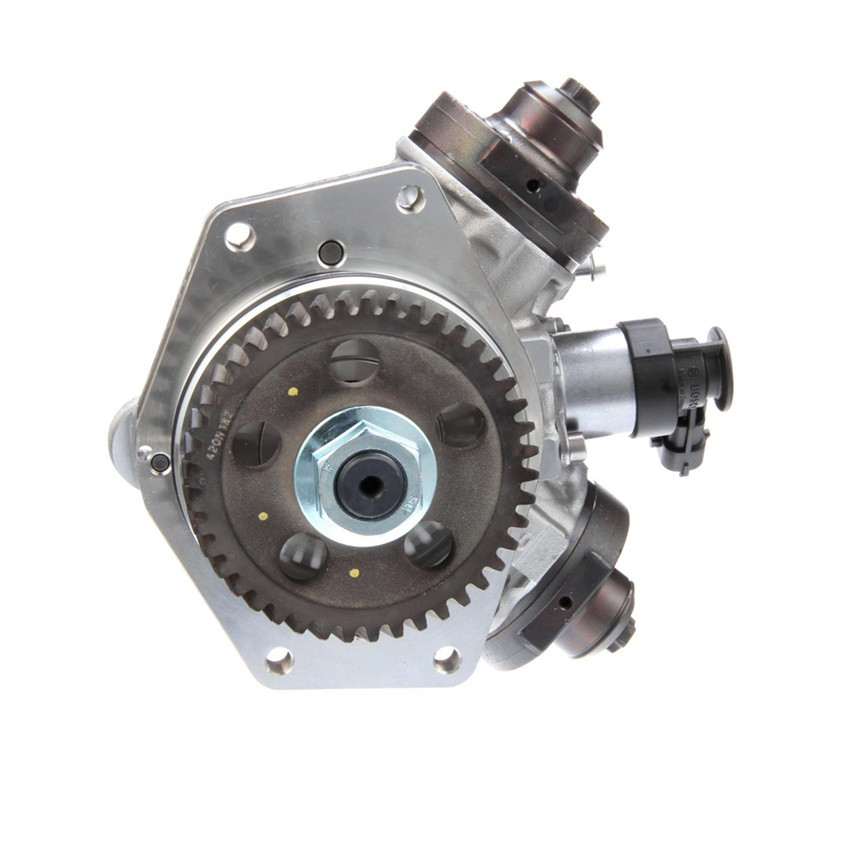
The LML Duramax is one of the strongest engines GM has ever put in a heavy-duty pickup. It has a reinforced block, a stout rotating assembly, 397 horsepower, 765 lb-ft of torque, and a factory exhaust brake mode that makes it an excellent tow vehicle. It also has one component that shapes nearly every conversation about owning one: the Bosch CP4.2 high-pressure fuel pump.
When a CP4.2 fails, it rarely fails quietly or alone. Internal wear can turn the pump into a source of fine metal debris that travels through the high-pressure fuel system, into the rails and injectors, and back toward the tank. A failure that starts inside one pump can end with a repair bill covering the pump, all eight injectors, both rails, every high-pressure line, the return lines, and a cleaned or replaced fuel tank. That is why the CP4 is the single biggest ownership risk on a 2011-2016 Duramax.
This guide is a deep dive into CP4 failure on the LML specifically. It explains how the pump works, why it fails, the early warning signs and trouble codes, how to diagnose a suspect pump without making the damage worse, what a proper repair involves, how to protect a pump that is still healthy, and how a CP3 conversion removes the risk entirely. If you need help identifying fuel system parts for your truck as you read, Bostech Auto's customer service team is available at 1-800-868-0057 or customerservice@bostechauto.com.
1. The LML Duramax and Its Fuel System
The LML replaced the LMM for the 2011 model year and powered Chevrolet Silverado HD and GMC Sierra HD pickups through 2016. Chassis cab trucks used a closely related version carrying the LGH engine code. Compared with the LMM, the LML was a substantial redesign. GM strengthened the block, revised the rotating assembly, enlarged the oil pump, added selective catalytic reduction with diesel exhaust fluid, and replaced nearly the entire fuel system.
That fuel system is where the LML's reputation was made. Earlier Duramax engines from the LB7 through the LMM used the Bosch CP3 pump, a design with a long record of durability. The LML moved to the Bosch CP4.2 and paired it with piezoelectric injectors operating at pressures approaching 29,000 psi. The new system delivered more precise injection, higher pressure, and better emissions performance. It also introduced a failure mode the earlier engines did not have.
Key LML Fuel System Specifications
- Model years: 2011 through 2016 Silverado HD and Sierra HD pickups, with the related LGH in chassis cab applications.
- VIN engine code: The eighth digit of the VIN is "8" on LML trucks.
- High-pressure pump: Bosch CP4.2, a two-piston pump driven by the engine.
- Injectors: Bosch piezoelectric common-rail injectors.
- Maximum rail pressure: Close to 29,000 psi.
- Fuel supply: No factory electric lift pump. Fuel is drawn from the tank by the gear-type transfer pump built into the high-pressure pump.
- Biodiesel rating: Approved for blends up to B20.
The LML's Piezo Injectors
The LML's piezoelectric injectors are part of why a CP4 failure is so costly on this engine. Piezo injectors use a stack of crystals that changes length when voltage is applied, allowing very fast and precise control of injection events. That precision depends on extremely tight internal clearances, which makes the injectors highly sensitive to debris. They also cost more to replace than the solenoid injectors used on earlier Duramax engines. When contamination reaches eight piezo injectors, the injector set alone becomes a large share of the repair bill.
How Fuel Moves Through the LML
Understanding the path fuel takes explains why a CP4 failure spreads so far. Fuel leaves the tank under suction, passes through the fuel filter and water separator, and enters the CP4's internal transfer pump. The pump's metering valve controls how much fuel reaches the high-pressure pistons, which pressurize it and send it to the two fuel rails. The rails feed the eight injectors through individual high-pressure lines. Fuel the injectors do not use, along with fuel the pump bypasses for cooling and lubrication, returns to the tank.
- Tank to filter under suction, with no factory lift pump pushing fuel.
- Filter to the CP4's internal transfer pump and metering valve.
- High-pressure pistons to the fuel rails at up to roughly 29,000 psi.
- Rails to the injectors through individual high-pressure lines.
- Injector and pump return fuel back to the tank.
Every component downstream of the high-pressure pistons sees whatever the pump sends it. If the pump begins shedding metal, the rails, lines, and injectors receive it first, and the return circuit carries it toward the tank. The filter sits upstream of the pump, so it cannot stop debris the pump itself creates.
Why GM Moved to the CP4
The CP4 family was designed to support higher injection pressures and the tighter emissions standards that arrived in this era, while using less engine power to drive the pump than a comparable CP3. It was used on several diesel platforms besides the LML, including the 6.7L PowerStroke. The design works well when it receives clean fuel with good lubricating properties and no air. The trouble is that real-world fuel in North America does not always meet those conditions, and the CP4 has less tolerance for imperfect fuel than the pump it replaced.
LML Model Year Notes
The LML ran across two truck generations. The 2011 through 2014 trucks used the GMT900 body carried over from the LMM era, while the 2015 and 2016 trucks moved to a newer body style with updated interiors. The fuel system design remained based on the CP4.2 throughout the run. Commercial and chassis cab applications used related engine codes and calibrations, so always confirm part fitment by VIN rather than by model year alone.
- 2011-2012: early production, frequently reported to have higher CP4 failure rates.
- 2013-2014: same basic fuel system, with many trucks now on replacement pumps.
- 2015-2016: newer body style, same CP4.2-based fuel system.
- All years: confirm the engine with the eighth VIN digit before ordering parts.
2. How the CP4.2 Works and Why It Fails
The CP4.2 uses two pumping pistons driven by a camshaft inside the pump. Each piston rides on a roller tappet, and the roller follows the cam lobe as the shaft turns, converting rotation into the piston's pumping stroke. The entire mechanism is lubricated and cooled by diesel fuel passing through the pump. There is no separate oil supply.
That design depends on a thin film of fuel between the roller and the cam. When the film is healthy, the roller rolls smoothly along the lobe. When the film breaks down, the roller can stop rolling and begin to skid across the cam surface instead. A skidding roller wears quickly, and once wear begins it tends to accelerate. Material removed from the roller and cam becomes fine metal debris in the fuel, and because that fuel goes directly to the high-pressure side, the debris travels downstream immediately.
Root Causes of CP4 Failure
No single cause explains every CP4 failure, but most failures trace back to conditions that weaken the fuel film inside the pump. Fuel quality is the most frequently cited factor. GM has generally attributed CP4 failures to contaminated or poor-quality fuel, a position that has been central to many warranty disputes.
- Low lubricity fuel: Ultra-low sulfur diesel has less natural lubricity than older diesel formulations, which leaves less margin for the roller and cam.
- Water in the fuel: Water displaces fuel and offers almost no lubrication. Even small amounts can cause wear.
- Air in the fuel: Because the LML has no factory lift pump, air leaks on the suction side can introduce air that disrupts lubrication and pumping.
- Running the tank very low: Low fuel levels increase the chance of drawing air and debris into the system.
- Contaminated fuel: Dirt, rust, and the wrong fuel, such as gasoline mixed into diesel, can damage the pump quickly.
- Overdue fuel filters: A restricted filter increases suction and starves the pump.
Which Trucks Face the Highest Risk
Every CP4-equipped LML carries some risk, but certain patterns of use raise it. Trucks that fuel from many different stations on long trips, trucks that regularly use farm or job site fuel, and trucks with a history of skipped filter changes all see more exposure to water and contamination. Trucks that spend long periods at high load, such as heavy towing on mountain grades, place more demand on the pump. Owners who recognize their truck in this list have the strongest case for a preventive CP3 conversion.
- Frequent fueling at unfamiliar or low-volume stations.
- Regular use of farm, job site, or stored fuel.
- A history of overdue fuel filters or water in fuel warnings.
- Sustained heavy towing or high-load operation.
Early Production Trucks
Early LML trucks, particularly 2011 and 2012 models, are frequently reported to have higher CP4 failure rates than later production. Many of those trucks have since had pumps replaced, so a high-mileage early LML is not automatically running an original pump. The model year is a reason to ask questions, not a reason to assume the worst. Any LML, early or late, is exposed to the same basic risk if it is running a CP4.
Why the Damage Spreads
Many fuel pump failures on other engines simply stop the engine. A CP4 failure can do far more harm because of where the debris goes. Fine metal particles pass into the high-pressure side, where they can lodge in the rails, scratch the precision surfaces inside the injectors, and contaminate the return lines. Some debris reaches the tank. If the pump is replaced without cleaning or replacing everything the debris reached, the remaining particles can destroy the new pump and new injectors within a short time. This is the reason GM's repair procedure for a contaminated system is so extensive.
How the CP3 Differs
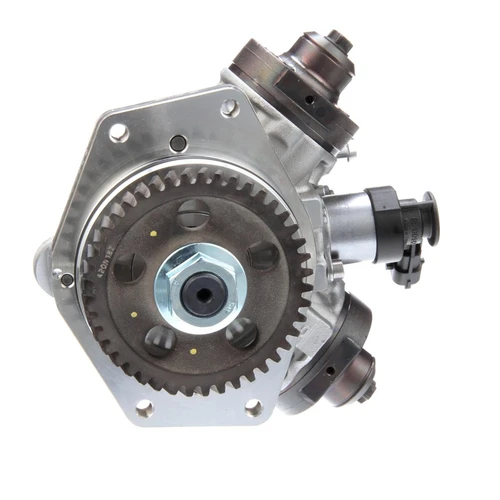
The CP3 that earlier Duramax engines used works on a different principle. Instead of pistons riding on roller tappets against a cam lobe, the CP3 uses three radially arranged pistons driven by an eccentric shaft through a polygon ring, which spreads loads over larger surfaces. That arrangement is far more tolerant of marginal fuel lubricity, and when a CP3 does wear, it typically loses output gradually rather than shedding metal into the high-pressure system. This difference in failure behavior, more than any difference in peak pressure, is why the CP3 is the preferred replacement.
- CP4.2: two pistons on roller tappets riding a cam lobe, sensitive to the fuel film between roller and cam.
- CP3: three radial pistons driven through a polygon ring, more tolerant of imperfect fuel.
- CP4 wear can contaminate the entire high-pressure system.
- CP3 wear usually shows up as a gradual loss of rail pressure.
3. Warning Signs of a Failing LML CP4
Some CP4 failures happen suddenly with little warning. Others give clues for weeks or months. Catching the early signs gives an owner the chance to stop driving before debris reaches every component, which can make a large difference in the final repair cost.
Early Warning Signs
- An occasional P0087 low rail pressure code under heavy load, often on a long grade or while towing.
- A "Reduced Engine Power" message that clears after a restart.
- Longer cranking before the engine starts, especially when hot.
- A slight loss of power or hesitation under load.
- A gap between commanded and actual rail pressure visible on a scan tool.
- A "Change Fuel Filter" message appearing sooner than expected.
A single P0087 on a long, heavy pull is easy to dismiss, and many owners do. On an LML, it deserves attention. A low rail pressure code that comes back under varied driving conditions, particularly on a higher-mileage truck, should prompt a fuel filter inspection for metal before any parts are replaced.
Late-Stage and Catastrophic Signs
- A loud metallic noise from the pump area, sometimes described as sounding like a mechanical failure inside the engine.
- Sudden loss of power and immediate limp mode.
- Stalling while driving, followed by a crank-no-start condition.
- Metallic glitter in the fuel filter or water separator.
- Rough running or misfires as debris begins to affect the injectors.
If any late-stage sign appears, stop driving the truck. Every additional minute of operation pushes more debris through the system. Have the truck towed to a shop that understands CP4 diagnosis instead of trying to limp it home.
Symptoms That Often Have Other Causes
Not every low-power complaint on an LML is a pump problem. The LML's emissions system can cause derates that feel similar, and several inexpensive faults can set rail pressure codes. Ruling these out keeps a healthy pump from being condemned.
- DEF system faults and NOx sensor failures can trigger derates with no fuel system problem at all.
- A clogged DPF or a turbo vane problem can reduce power and set boost codes.
- A restricted fuel filter can set P0087 on its own.
- An air leak at the filter head or primer can cause rough running and pressure fluctuations.
- A failing rail pressure sensor can report implausible values without any pump fault.
What to Do the Moment You Suspect a Failure
The first few minutes after a suspected CP4 failure can decide the size of the repair. A pump that has just begun shedding debris has contaminated less of the system than one that has been run for another hundred miles. If a CP4 failure seems likely, act to limit the spread before worrying about diagnosis.
- Pull over safely and shut the engine off as soon as it is practical.
- Do not repeatedly crank a truck that will not start, since cranking still moves fuel through the system.
- Arrange a tow rather than limping the truck to a shop.
- Keep your most recent fuel receipt and note where you last filled up.
- Ask the shop to save the fuel filter and any fuel samples for inspection.
4. Trouble Codes Linked to CP4 Failure
Rail pressure codes are the most common electronic evidence of a CP4 problem, but none of them proves the pump has failed. Restricted filters, air leaks, sensor faults, and regulator problems can set the same codes. The value of these codes is that they tell you when to inspect for debris before replacing anything.
- P0087 (fuel rail or system pressure too low): The most common CP4-related code. It can also be caused by a restricted filter, a suction-side air leak, or excessive injector return flow.
- P0088 (fuel rail or system pressure too high): Often appears as pump behavior becomes erratic. It can also point to a pressure regulator problem.
- P0089 (fuel pressure regulator performance): Indicates the regulator is not controlling pressure as commanded, which can follow debris contamination.
- P0191 (fuel rail pressure sensor range or performance): Can indicate a sensor fault or pressure behavior the ECM considers implausible.
- P128E (fuel rail pressure performance): Frequently grouped with CP4 failure diagnostics.
GM service guidance for CP4 diagnosis directs technicians who see codes such as P0087, P0088, P0191, or P128E to inspect the fuel pressure regulator screen for magnetic metal debris before replacing the pump. If debris is present, the guidance calls for full fuel system replacement rather than a pump-only repair. That single inspection step is the most important decision point in any CP4 diagnosis.
5. How to Diagnose a Suspect CP4 Pump
The goal of CP4 diagnosis is to answer two questions: is the pump failing, and has it already contaminated the system? The second question determines whether the repair costs a few thousand dollars or much more. A careful, ordered approach avoids both mistakes: condemning a good pump and installing new parts into a contaminated system.
Step 1: Stop and Scan
Record every stored code, along with freeze frame data showing rail pressure, engine speed, and load at the time the code set. Do not clear codes before recording them. If the truck has shown any late-stage symptoms, do not keep running it for testing.
Step 2: Inspect the Fuel Filter
Remove the fuel filter and inspect the filter media and the fuel in the housing. Pour the fuel through a clean shop towel or into a clean container and check it under good light with a magnet. Fine metallic glitter is a serious warning sign. Water in the filter housing points toward a fuel quality problem that may have caused or contributed to pump wear.
- Look for metallic glitter in the filter media and housing.
- Check for water, sludge, or dark sediment.
- Note the filter's age and service history.
- Replace the filter with a correct OE-quality unit before further testing.
Step 3: Inspect the Fuel Pressure Regulator Screen
The fuel pressure regulator on the pump has a small inlet screen. Removing the regulator and inspecting that screen for magnetic debris is the key test GM's procedure relies on. A clean screen supports further testing of the supply side and sensors. Debris on the screen means the high-pressure system is contaminated and the repair must cover the full system.
Step 4: Test the Supply Side
If the screen is clean, verify that the pump is receiving an adequate fuel supply. Because the LML draws fuel under suction, technicians often test the supply side with a vacuum gauge. A pump that cannot generate normal suction during cranking may be worn internally, while excessive suction points toward a restriction such as a clogged filter or collapsed line. Inspect every suction-side connection for air leaks, including the filter head and primer.
Step 5: Compare Commanded and Actual Rail Pressure
With a scan tool, compare desired and actual rail pressure at idle, during a snap throttle test, and under load if the truck is safe to drive. A pump that tracks commanded pressure at idle but falls behind under load is a candidate for wear. Compare the regulator command as well, since a regulator working near its limit to hold pressure indicates the pump is struggling.
Step 6: Rule Out Injector Return Leakage
Excessive injector return flow can also cause low rail pressure. Return flow testing helps separate an injector problem from a pump problem. This step matters because replacing a healthy pump will not fix a leaking injector, and a pump that has been working against leaking injectors may itself be under added strain.
Common Diagnostic Mistakes
Most expensive CP4 outcomes start with a reasonable-sounding shortcut. Avoiding the mistakes below protects both the owner's budget and the new parts that go into the truck.
- Clearing codes and driving on: A P0087 that clears and returns is a warning, not a nuisance.
- Replacing the pump first: Installing a new pump before inspecting for debris risks putting new parts into a contaminated system.
- Skipping the supply side: A restricted filter or air leak can mimic pump failure and will also shorten the life of any new pump.
- Ignoring the injectors: Leaking injectors can cause low rail pressure on their own, and contaminated injectors will damage a new pump.
- Discarding evidence: Throwing away the filter, fuel samples, or failed parts can weaken a warranty or fuel retailer claim.
When to Involve a Diesel Specialist
Filter inspection and code reading are within reach of many owners, but regulator screen inspection, supply-side vacuum testing, and return flow testing are best left to a shop with diesel fuel system experience. The high-pressure side of an LML stores dangerous pressure, and opening it incorrectly can cause injury or introduce dirt that damages components. A shop that has handled CP4 failures before will also know how to document findings for a warranty or fuel retailer claim, which can be worth far more than the diagnostic fee.
6. What a Contaminated Fuel System Repair Involves
When a CP4 has shed debris, GM's recommended repair is comprehensive by design. The goal is to remove every component the debris could have reached so that none of it remains to damage new parts. Shortcuts here are the most common reason a CP4 repair fails a second time.
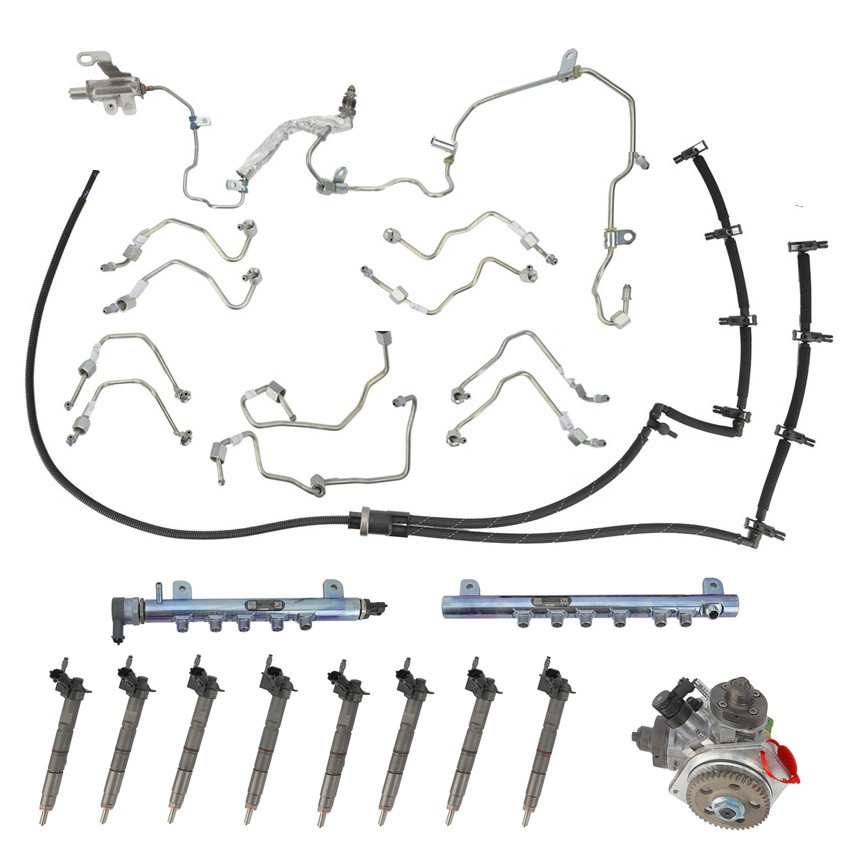
Components Replaced in a Full System Repair
- The high-pressure fuel pump.
- Both fuel rails.
- All eight fuel injectors.
- All high-pressure fuel lines, including the pump-to-rail and rail-to-injector lines.
- The injector and pump return lines.
- The fuel filter and, in many cases, related filter housing components.
- Cleaning or replacement of the fuel tank, plus flushing of the supply and return lines.
Why the Tank Matters
Debris carried through the return circuit can settle in the fuel tank. If the tank is not cleaned or replaced, that debris can be drawn back toward the new pump the next time the tank runs low or the truck sees rough roads. Dropping the tank, inspecting it, and cleaning it thoroughly is tedious work, but skipping it puts every new component at risk.
Can Any Parts Be Reused?
Owners facing a large repair bill often ask whether injectors or rails can be cleaned and reused. When contamination is confirmed, the safest answer is no. Fine metal particles can lodge in internal passages and precision clearances that cleaning cannot reliably reach, and a single remaining particle can damage a new pump or injector. Remanufactured injectors and rails, built and tested to OE specifications, are a more dependable way to reduce cost than reusing parts that were exposed to debris.
Priming and First Start After the Repair
Once the new components are installed, the system must be filled and purged of air before the engine runs. On a truck with no lift pump, that means using the manual primer or approved priming procedure until fuel flows without bubbles. Crank in short intervals, never for extended periods, and verify that rail pressure builds as commanded. After the first start, check every high-pressure fitting for leaks, confirm commanded and actual rail pressure track closely, and recheck the filter for debris after a short drive.
What a Full Repair Costs
Costs vary by region, parts choice, and shop, but a full contaminated-system repair on an LML commonly runs well past $10,000 when performed with all new components at a dealer. Remanufactured injectors and rails, an independent diesel shop, and a CP3 conversion in place of a new CP4 can reduce that figure substantially. A pump-only repair on a system confirmed to be clean costs a fraction of a full repair, which is why the regulator screen inspection matters so much.
- Pump-only repair on a confirmed clean system: the lowest cost option, but only appropriate when no debris is found.
- Full system repair with new OE parts: the highest cost option.
- Full system repair with remanufactured injectors and a CP3 conversion: a common way to control cost while removing the root cause.
Warranty and Insurance Considerations
By now, every LML is outside its original factory powertrain coverage, so most repairs are paid by the owner or an extended service contract. Fuel contamination has been central to many CP4 warranty disputes, because manufacturers and contract providers often classify contaminated fuel as an external cause rather than a defect. If you have an extended service contract, read its fuel contamination language carefully, keep fuel receipts, and save the failed parts and any filter or fuel samples until the claim is resolved. Some owners have pursued claims against the fuel retailer when a bad load of fuel is suspected, which makes those receipts valuable.
7. Protecting a CP4 That Is Still Running
Not every LML owner wants to convert to a CP3 immediately. Many trucks have run their original or replacement CP4 pumps for very high mileage. Owners who keep a CP4 can reduce their risk considerably with disciplined fuel system care. None of these steps eliminates the risk the way a conversion does, but together they address the conditions most closely linked to failure.
Fuel Filter and Water Separator Service
Replace the fuel filter on schedule or sooner, use a quality OE-equivalent filter, and drain the water separator regularly. Pay attention to the "Water in Fuel" warning and act on it immediately. Inspect each used filter for metal before discarding it. A filter that shows glitter is the earliest physical evidence of pump wear you are likely to get.
- Change the fuel filter at or before the recommended interval.
- Drain the water separator at every oil change and whenever the warning appears.
- Inspect every removed filter for metallic debris.
- Never ignore a "Water in Fuel" warning.
Fuel Sourcing and Habits
Buy fuel from busy, high-volume stations where tanks turn over quickly and water contamination is less likely. Avoid filling up while a station's underground tanks are being refilled, since that can stir sediment. Keep the tank above a quarter full when you can, which reduces the chance of drawing air or debris. Keep receipts, especially on long trips.
Driving Habits That Reduce Risk
A few habits lower the stress on the CP4 without any added cost. Refuel before the gauge drops below a quarter tank. Avoid sustained full-throttle operation on a truck that has shown any rail pressure codes until it has been inspected. After filling up at an unfamiliar station, pay attention to how the truck runs for the first several miles, and if anything feels wrong, stop and investigate before continuing.
Lubricity Additives
Many owners use a diesel fuel additive formulated to improve lubricity. An additive cannot fix contaminated fuel or remove water that is already present, but it can help restore some of the lubricating film that ultra-low sulfur diesel lacks. Choose an additive intended for modern common-rail diesel systems and follow the label dosage.
Lift Pumps and Supplemental Filtration
Because the LML relies on suction to draw fuel from the tank, an aftermarket lift pump can reduce the work the CP4's transfer pump must do and help prevent air from entering through small leaks. Supplemental filtration and water separation add another layer of protection. A lift pump must be matched to the system, since excessive feed pressure can upset fuel control, so choose a kit designed for the LML and follow its pressure guidance.
Monitoring Rail Pressure
An inexpensive scan tool or plug-in monitor that displays desired and actual rail pressure gives an owner an early look at pump health. A healthy pump tracks commanded pressure closely, even under load. A growing gap, especially during hard acceleration or towing, can appear well before a code sets. Checking those values occasionally takes only a few minutes and can provide the warning needed to inspect the filter and stop driving before debris spreads.
- Watch desired versus actual rail pressure during a hard pull or while towing.
- Note any growing gap over time, not just a single reading.
- Pair data checks with filter inspections at each filter change.
Off-Road and Stored Fuel
Fuel from farm tanks, construction site tanks, and long-term storage containers is a frequent source of water and sediment. If you fill from these sources, make sure the tank has its own filtration and water separation, drain water from storage tanks regularly, and avoid using fuel that has been stored for long periods. These sources are fine when well maintained, but they leave less margin for the CP4 than a busy retail station.
Bypass and Disaster Prevention Kits
Some owners install a bypass or disaster prevention kit, which reroutes the pump's internal return so that debris from a failing pump is less likely to circulate back into the tank and the rest of the system. These kits do not prevent the pump from failing. Their purpose is to limit how far contamination spreads if it does fail, which can reduce the scope and cost of the repair.
8. The LML CP3 Conversion: Complete Guide
A CP3 conversion replaces the LML's CP4.2 with a Bosch CP3, the same pump family used on the LB7, LLY, LBZ, and LMM. The CP3 uses a different internal design that tolerates imperfect fuel far better and does not share the CP4's tendency to shed metal through the high-pressure system. For many LML owners, a conversion is the most complete way to remove the engine's biggest risk.
Converting is not as simple as bolting on an older pump. The CP3 mounts differently, connects to the fuel system differently, and delivers fuel with different flow characteristics. Conversion kits supply the mounting plate, feed and return lines, fittings, and in many cases a specially calibrated pump or metering unit that allows the CP3 to work with the LML's factory engine calibration.
Types of LML CP3 Conversion Kits
Kits generally fall into a few categories based on how they handle engine calibration and emissions compliance. Choosing the right type depends on whether the truck is stock, how it is used, and where it is registered.
- No tuning required, emissions compliant: Uses a CP3 fitted with a metering unit matched to the CP4's flow characteristics, so the factory ECM calibration works without changes. Designed for trucks with all emissions equipment intact. At least one kit of this type carries a California Air Resources Board Executive Order, making it legal in all 50 states.
- Tuning required: Uses a CP3 with a standard LBZ-style metering unit. The ECM's pump calibration must be revised to match, which typically means aftermarket tuning.
- Kit without pump: Supplies the mounting and plumbing hardware so the owner can select a specific CP3, including higher-output versions.
- High-output and stroker pumps: Larger-displacement CP3 pumps intended for high-horsepower builds. These require tuning and are generally intended for competition use.
For a truck that is driven on public roads, an emissions-compliant, no-tuning kit is the most straightforward choice. It keeps the truck's emissions certification intact, avoids tuning costs, and removes the CP4 risk without changing how the truck drives.
Lift Pump Considerations
Most conversion kits are designed to work with or without an aftermarket lift pump, and a lift pump is not strictly required for a stock truck. Many installers recommend one anyway, because it relieves the CP3's internal transfer pump of the job of pulling fuel from the tank and helps keep air out of the system. If you add a lift pump, follow the kit manufacturer's feed pressure limits closely. Excessive feed pressure to a conversion pump can upset fuel control and set codes, and some kits specify quite low maximum feed pressures.
Conversion Kit Selection Checklist
- Confirm the kit is designed for the 2011-2016 LML and your specific application.
- Decide whether you need a no-tuning kit or are prepared to revise the calibration.
- For a road vehicle, confirm the kit works with all factory emissions equipment and look for documented compliance.
- Check whether the kit includes a new pump, and whether that pump is new or remanufactured.
- Review the kit's lift pump compatibility and maximum feed pressure.
- Check the warranty terms on both the kit and the pump.
What the Installation Involves
A CP3 conversion is a substantial job but well within the scope of a capable diesel shop. The general sequence below shows what is involved. Always follow the specific instructions supplied with the kit.
- Confirm the existing fuel system is free of debris, or plan a full contamination repair alongside the conversion.
- Remove the intake components and accessories needed to reach the pump.
- Disconnect and remove the CP4, its feed and return connections, and its high-pressure line.
- Install the conversion mounting plate and the CP3, timing the drive as the instructions require.
- Install the new feed, return, and high-pressure connections supplied with the kit.
- Install a new fuel filter and prime the system thoroughly before starting the engine.
- Start the engine, check for leaks, and verify commanded versus actual rail pressure with a scan tool.
After the Conversion: What Changes
A properly installed no-tuning conversion should be nearly invisible from the driver's seat. Power, drivability, and fuel economy should match the factory system, and the truck should not set codes. What changes is the failure risk. The CP3's design makes catastrophic contamination far less likely, though the pump still depends on clean fuel. Keep up with fuel filter changes and water separator service after the conversion, and continue to inspect each used filter.
Converting Before or After a Failure
Owners convert at two different times. Some convert preventively, while the original CP4 is still healthy, so the conversion costs only the kit and labor. Others convert as part of a contamination repair, replacing the failed CP4 with a CP3 rather than another CP4. The preventive route costs far less than any repair that follows a CP4 failure. The post-failure route makes sense because the pump has to be replaced anyway, and installing a CP3 at that point prevents a repeat event.
- Preventive conversion: lowest total cost, done while the system is clean.
- Conversion during contamination repair: replaces the failed pump with a more durable design.
- Either way: inspect the existing system for debris first, because a CP3 installed into a contaminated system can still be damaged.
What a Conversion Costs
Complete conversion kits that include a new CP3 pump commonly fall in the range of roughly $2,000 to $2,700, with kits that omit the pump costing less. Installation labor adds to that total and varies by shop. Compared with a contaminated-system repair that can exceed $10,000, a preventive conversion is a modest investment, and many owners view it as insurance on the most expensive single failure the LML can have.
- Kit with pump: the most common choice for stock trucks.
- Kit without pump: useful when a specific CP3 has already been chosen.
- Labor: varies by region and shop experience with the conversion.
- Optional lift pump: an added cost that many installers recommend.
Emissions and Legal Considerations
Choose a conversion kit that matches how the truck is used. For a road vehicle, select a kit designed to work with all factory emissions equipment in place, and look for documented emissions compliance such as a CARB Executive Order. Kits labeled for competition or off-road use are not intended for trucks driven on public roads and may affect registration and inspection in states with emissions testing.
9. Choosing a Repair Path: Pump Only, Full System, or Conversion
Every CP4 situation falls into one of a few scenarios. Matching the repair to the scenario prevents both overspending and the far more expensive mistake of under-repairing a contaminated system. The right path depends on what the inspection finds, how long you plan to keep the truck, and how it is used. Owners who tow heavily or plan to keep the truck for many more years usually come out ahead by addressing the root cause rather than replacing like with like.
Scenario 1: Healthy Pump, No Symptoms
The best time to act is before anything goes wrong. Owners in this position can either commit to strict fuel system care or convert preventively. Owners who plan to keep the truck for many years, tow heavily, or travel where fuel quality is uncertain usually benefit most from converting.
Scenario 2: Rail Pressure Codes, Clean Regulator Screen
If codes are present but the regulator screen and filter are clean, continue diagnosis on the supply side, sensors, and injector return flow. If the pump itself is confirmed worn but no debris has escaped, a pump-only repair or a conversion may be appropriate. Many owners choose the conversion at this point, since the pump must be replaced either way.
Scenario 3: Debris Found
If metal is found on the regulator screen or in the filter, the system is contaminated. The repair must cover the pump, rails, injectors, high-pressure lines, return lines, filter, and tank. Replacing the CP4 with a CP3 as part of this repair is a common and sensible choice.
Scenario 4: Repeat Failure After a Previous Repair
A second CP4 failure shortly after a repair usually means contamination was left in the system, the supply side problem that caused the first failure was never fixed, or the replacement pump was itself defective. Before installing anything new, inspect the tank, the return lines, and the supply side carefully, and review what was replaced during the first repair. A repeat failure is a strong argument for a full system repair combined with a CP3 conversion, so the underlying risk is removed rather than repeated.
- No symptoms: maintain carefully or convert preventively.
- Codes with a clean system: complete diagnosis, then repair or convert the pump.
- Debris present: full system repair, ideally with a CP3 conversion.
10. Buying a Used LML: CP4 Questions to Ask
The CP4 should be one of the first topics in any conversation about buying an LML. The answers can change the value of the truck by thousands of dollars. A truck with a documented CP3 conversion and a clean fuel system history is a very different purchase from one running an unknown original pump.
- Has the CP4 ever been replaced, and was the repair a pump-only job or a full system repair?
- Has the truck been converted to a CP3? Which kit was used, and is it emissions compliant?
- Are there receipts for the work, including injector and rail replacement if applicable?
- How often was the fuel filter changed, and has the truck ever shown a "Water in Fuel" warning?
- Has the truck ever set a P0087 or gone into reduced power mode?
- Does the truck have an aftermarket lift pump or supplemental filtration?
Reading the Service Records
Service records tell you more than whether work was done. They show how it was done. A CP4 replacement invoice that lists only a pump, with no injectors, rails, lines, or tank work, may indicate a pump-only repair. That is fine if the system was confirmed clean, but it is worth asking. An invoice listing all eight injectors, both rails, lines, and tank service points to a full contamination repair. A conversion invoice should identify the kit, which helps confirm emissions compliance and fitment.
- Look for the part list on any fuel system invoice, not just the total.
- Check whether injectors and rails were replaced along with the pump.
- Confirm the conversion kit type and its emissions status.
- Note the mileage and date of each fuel system repair.
During a pre-purchase inspection, ask the shop to check stored and history codes, compare commanded and actual rail pressure, and if the seller allows it, inspect the fuel filter for debris. A truck that has already been converted with documentation often justifies a higher price, since the buyer avoids the cost of converting later. If you are still deciding between Duramax generations, our LLY vs LBZ vs LMM vs LML Duramax Buyer Comparison lays out how the LML compares with the engines before it.
11. LML Fuel System Parts and Support From Bostech
The difference between a CP4 repair that lasts and one that fails again usually comes down to completeness. A new pump installed into a contaminated system, injectors reused after exposure to debris, or a tank left uncleaned can turn one expensive repair into two. Planning the full scope before the truck comes apart is the most effective way to control cost and avoid a repeat failure.
- Inspect for debris before ordering parts, so the repair scope is correct from the start.
- Replace injectors, rails, and lines together when contamination is confirmed.
- Clean or replace the tank and flush the supply and return lines.
- Consider a CP3 conversion in place of a new CP4.
- Install a new filter and prime the system completely before the first start.
Building a Complete Parts List
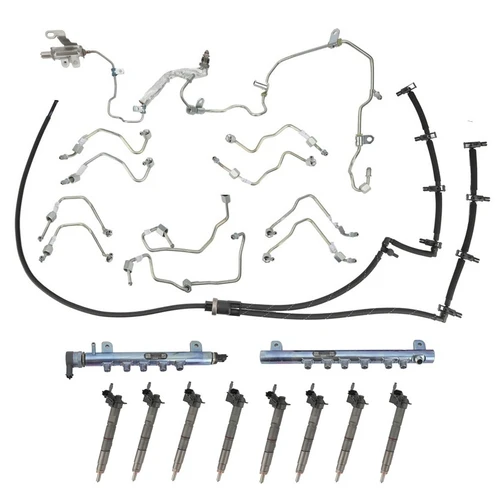
Before a contaminated LML goes into the shop, it helps to have the full parts list in hand. Waiting for parts mid-repair keeps a truck apart longer and tempts shortcuts. A typical full contamination repair with a conversion includes the CP3 conversion kit and pump, eight injectors, two fuel rails, all high-pressure lines, return lines and fittings, a fuel filter, injector seals and hardware, and any gaskets disturbed during the work, along with tank cleaning or a replacement tank. Our team can help you confirm each item for your VIN.
Bostech Auto supplies remanufactured and new diesel fuel system components for Duramax engines, including fuel injectors, injection pumps, and related parts. Our team can help you identify the correct components for an LML fuel system repair or CP3 conversion and make sure nothing is missed. Visit bostechauto.com to browse the catalog, call 1-800-868-0057, or email customerservice@bostechauto.com for fitment help. For a broader look at CP4 failures across platforms, including the 6.7L PowerStroke, see our CP4 Fuel Pump Failure guide.
12. Frequently Asked Questions
The mechanical engine itself routinely runs 500,000 to 1,000,000 miles with proper maintenance. The fuel system components, transmission, and supporting electronics typically wear out before the engine block, head, crank, or rods. Many 5.9L Cummins owners are on their second or third transmission, second VP44 or third injector set, and original engine. With consistent oil changes, regular cooling system service, and attention to the platform’s known weaknesses, the engine can outlast multiple sets of tires and several transmission rebuilds.
The 1994 to 1998 12 valve with the Bosch P7100 mechanical injection pump is generally considered the most reliable from a fuel system standpoint, with the 2003 to 2007 common rail era close behind for its combination of modern features and the durable CP3 pump. The 1998.5 to 2002 24 valve era is the most problematic because of the VP44, the factory lift pump, and the 53 block issue. The 1st generation 12 valve VE pump trucks are reliable but limited in modern usability.
The killer dowel pin (KDP) is a 5/16 inch alignment dowel pressed into the front of the engine block on 1989 through 2002 5.9L Cummins engines. Over time it can vibrate loose and drop into the timing gears, causing catastrophic engine damage. Yes, you should fix it on any pre-2003 truck. The fix uses a KDP tab kit that locks the dowel in place permanently. Total cost is typically $70 to $200 in parts plus half a day of labor. 2003 and later common rail engines use a different timing gear housing and are not affected.
Look on the driver side front of the block, just below the injection pump and near the power steering pump. The block casting number is cast into the metal in that area. If you see the digit 53, you have one of the Brazilian TUPY blocks that are prone to cracking on the passenger side under the freeze plugs. Not every 53 block cracks (many last hundreds of thousands of miles without issue), but the risk is real, especially under heavy towing or with aftermarket tuning. The 53 block issue affects approximately 1999 to 2001 model year 24 valve trucks primarily.
The VP44 fails primarily because of inadequate fuel supply pressure from the factory Carter lift pump. When supply pressure drops below the threshold needed to lubricate and cool the VP44 internals, the pump runs hot and wears out internally, often within tens of thousands of miles of when the lift pump weakens. Prevention is to install a high-capacity aftermarket lift pump (FASS, AirDog, Fuelab, or Fleece PowerFlo) that delivers 15 PSI of clean fuel reliably, plus an in-cab fuel pressure gauge for early warning of any future issue. With proper fuel supply, the VP44 can last 250,000+ miles. Without it, failure can occur at 100,000 miles or less.
Bosch common rail injectors on the 2003 to 2007 5.9L Cummins typically last 200,000 to 300,000 miles when fuel quality is good and the truck sees regular use. The wear pattern is gradual rather than catastrophic; nozzle hole erosion, control valve seat wear, and seal hardening combine to produce slowly declining performance. Replacing a set of six injectors with quality reman units typically runs $1,800 to $3,000 in parts plus labor, making this one of the more expensive maintenance items on the common rail trucks.
For most buyers, the 2004.5 to 2007 5.9L common rail trucks offer the best combination of modern features, proven reliability, and parts availability. These trucks have the 325 horsepower rating, the proven CP3 pump, the 48RE automatic (or G56 manual), and no emissions equipment beyond a basic catalyst. Avoid 53 blocks if shopping a 1999 to 2001 truck. For maximum durability without modern electronics, the 1994 to 1998 12 valve P7100 trucks are excellent if the body and chassis are sound.
The 5.9L Cummins is fortunate to have essentially no emissions equipment to delete. There is no DPF, no DEF system, and no EGR cooler to fail. Even the 2003 to 2007 trucks have only a basic catalyst and no urea injection. This is one of the main reasons 5.9L trucks remain in such demand; the platform avoids the emissions complexity that affects later 6.7L Cummins. The few electronic emissions controls present on 24 valve and common rail trucks are not commonly removed because the benefit is minimal and the regulatory exposure is real.
Bostech offers a catalog of 5.9L Cummins parts including reman Silver Series fuel injectors for 2004.5 to 2007 applications, the DEC031245 fuel control actuator for 2003 to 2007, DEC031874 injector connector tubes for 2003 to 2009, and valve cover gasket and harness kits including GK03928K for 2007 to 2018 5.9L/6.7L applications. All reman parts include the 24 month unlimited mileage warranty. Contact Bostech at 1-800-868-0057, by email at customerservice@bostechauto.com, or visit bostechauto.com to confirm fitment by VIN and place an order.
Maintenance costs on a 5.9L Cummins are generally modest compared to modern diesels. Routine maintenance (oil, filters, coolant, fluids) runs $400 to $800 per year for a driven truck. Major service items appear less frequently: a transmission rebuild at $3,000 to $6,000 once or twice in the truck’s lifetime, an injector set at $2,000 to $3,000 on the common rail trucks every 200,000+ miles, a VP44 replacement at $1,200 to $1,800 on 24 valve trucks every 200,000+ miles, and a KDP fix once on pre-2003 trucks. The absence of DPF, DEF, EGR, and other emissions equipment makes long-term ownership substantially less expensive than equivalent modern emissions-controlled diesels.
13. Disclaimer
The information in this article is provided for general informational and educational purposes only. High-pressure diesel fuel systems operate at pressures that can cause serious injury, and fuel system work should only be performed by qualified technicians using appropriate safety procedures. Specifications, procedures, trouble code definitions, and service guidance vary by model year and calibration, so always consult current factory service information before performing repairs. Repair cost figures are general estimates and vary by region, shop, and parts selection. Modifying or removing emissions control equipment on a road vehicle may violate federal, state, and local laws. Bostech Auto is not responsible for any damage, injury, or loss resulting from the use of the information in this article.