
LLY vs LBZ vs LMM vs LML: The Complete Duramax Buyer Comparison
Sep 17th 2026
Table of Contents
- How to Identify Which Duramax You Are Looking At
- Duramax Generations at a Glance
- LLY Duramax (2004.5-2005)
- LBZ Duramax (2006-2007)
- LMM Duramax (2007.5-2010)
- LML Duramax (2011-2016)
- Head-to-Head Comparison
- Which Duramax Should You Buy?
- Pre-Purchase Inspection Checklist for Any Duramax
- Keeping Your Duramax Healthy: Parts and Support From Bostech
- Frequently Asked Questions
- Disclaimer
Shopping for a used Duramax means choosing between engines that share a name, a displacement, and a basic V8 layout, but very little else when it comes to ownership. The LLY, LBZ, LMM, and LML span 2004 through 2016, and over that period GM changed the turbocharger, the injectors, the injection pump, the transmission, and the entire emissions strategy. Two trucks that look nearly identical on a dealer lot can have completely different maintenance needs, failure risks, and long-term costs.
This guide puts the four middle-generation Duramax engines side by side so you can decide which one fits how you plan to use your truck. It covers how to identify each engine, the specifications that matter, the strengths and weak points of each generation, a head-to-head comparison across reliability, towing, tuning, and running costs, and an inspection checklist you can take with you when you go to look at a truck. Where a generation has its own detailed problem guide on our blog, we point you to it for the deeper diagnostic detail.
If you already own one of these trucks and need help identifying parts, Bostech Auto's customer service team can help at 1-800-868-0057 or customerservice@bostechauto.com.
1. How to Identify Which Duramax You Are Looking At
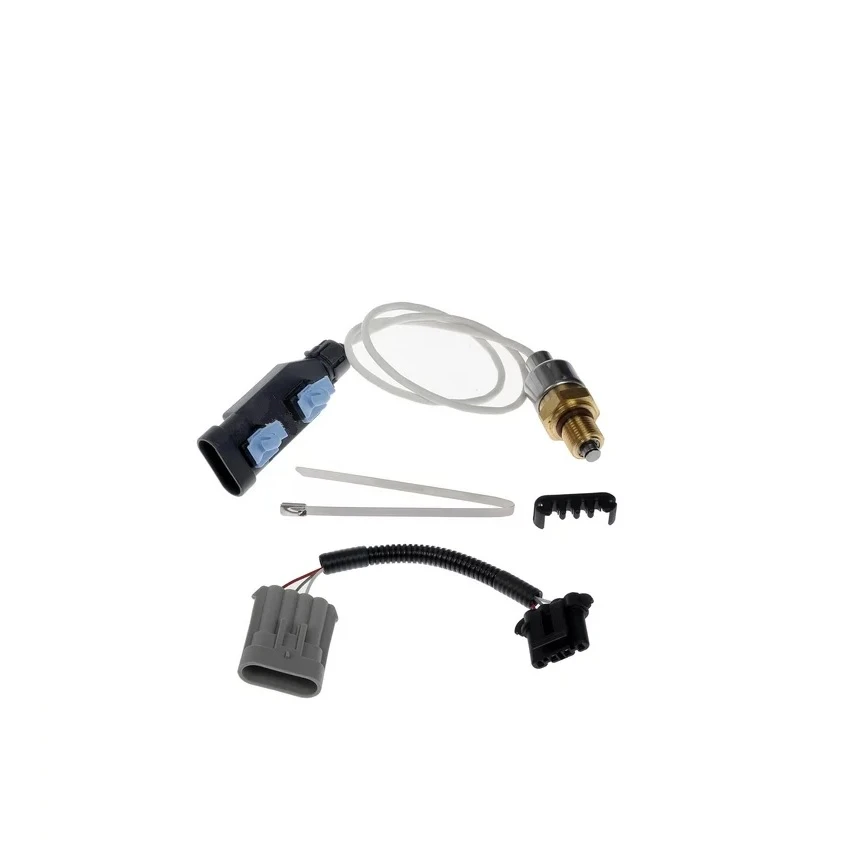
Model year alone does not always tell you which engine a truck has. GM changed engines partway through the 2004 and 2007 model years, and the 2007 model year was sold in two different body styles with two different engines. Sellers and even some dealers mislabel trucks. The most reliable way to know which Duramax you are looking at is the eighth character of the VIN, which GM uses as the engine code.
- LB7 (2001-2004): VIN eighth digit "1".
- LLY (2004.5-2005): VIN eighth digit "2".
- LBZ (2006-2007 Classic): VIN eighth digit "D".
- LMM (2007.5-2010): VIN eighth digit "6".
- LML (2011-2016): VIN eighth digit "8".
- L5P (2017 and later): VIN eighth digit "Y".
There are also visual cues. The LLY and LBZ sit in the older GMT800 body style, while the LMM arrived with the redesigned GMT900 body. Trucks sold as 2007 "Classic" models kept the older body and the LBZ engine. The LMM has a diesel particulate filter in the exhaust, which the LLY and LBZ do not. The LML adds a diesel exhaust fluid (DEF) tank and fill cap, which no earlier Duramax has. Under the hood, the LLY has a distinctive turbo inlet design, and the LML's fuel system uses a different pump and injectors that a technician will recognize at a glance.
When in doubt, run the VIN through a decoder or ask a dealer service department to confirm the engine. Ordering parts for the wrong generation is an easy and expensive mistake, because many components look similar but do not interchange.
Transition Years That Cause Confusion
Three model-year transitions trip up buyers more than any others. The first is 2004, when the LB7 gave way to the LLY partway through the year. A truck titled as a 2004 can have either engine, and the two have very different injector histories. The second is 2007, when GM sold the older body style as the 2007 "Classic" with the LBZ while launching the new body with the LMM. Two trucks titled as 2007 models can therefore have different engines, different emissions systems, and different bodies. The third is the 2011 changeover to the LML, which brought DEF and the CP4 pump.
- 2004: Early trucks carry the LB7, later trucks the LLY. Check the VIN.
- 2007: Classic body trucks have the LBZ with no DPF. New-body trucks have the LMM with a DPF.
- 2011: The LML arrives with DEF and the CP4.2 pump. Chassis cab trucks used a related engine code, the LGH.
- 2015: The LML continues into a newer body style, which changes cab features but not the core engine.
2. Duramax Generations at a Glance
The table below summarizes the four engines this guide compares, along with the LB7 and L5P that bracket them. Power and torque figures are the ratings for Silverado HD and Sierra HD pickups. Medium-duty trucks and vans used lower-output calibrations.
|
Engine |
Years |
Rating |
Injection Pump |
Transmission |
Aftertreatment |
|
LB7 |
2001-2004 |
300 hp / 520 lb-ft |
CP3 |
Allison 1000 5-speed |
None |
|
LLY |
2004.5-2005 |
310 hp / 605 lb-ft |
CP3 |
Allison 1000 5-speed |
EGR |
|
LBZ |
2006-2007 |
360 hp / 650 lb-ft |
CP3 |
Allison 1000 6-speed |
EGR |
|
LMM |
2007.5-2010 |
365 hp / 660 lb-ft |
CP3 |
Allison 1000 6-speed |
EGR, DOC, DPF |
|
LML |
2011-2016 |
397 hp / 765 lb-ft |
CP4.2 |
Allison 1000 6-speed |
EGR, DOC, DPF, SCR with DEF |
|
L5P |
2017 and later |
445 hp and up |
Denso HP4 |
Allison 6-speed, later 10-speed |
EGR, DOC, DPF, SCR with DEF |
Read across the rows and the story of the Duramax becomes clear. The LLY added the first variable geometry turbocharger and the first EGR system. The LBZ added a sixth gear, stronger internals, and a big jump in power. The LMM kept nearly all of the LBZ's hardware but added a particulate filter. The LML was a major redesign, adding DEF-based emissions control, a new high-pressure pump, and piezo injectors. Each step solved one set of problems and introduced another.
What Stays the Same Across All Four
- A 6.6-liter, 90-degree V8 with a cast iron block and aluminum heads.
- Bosch high-pressure common-rail injection.
- A Garrett variable geometry turbocharger.
- An Allison 1000 series automatic transmission.
- A strong bottom end that routinely outlasts the emissions and fuel system components bolted to it.
The Big Changes, Generation by Generation
Each new Duramax was built to solve the previous engine's biggest weakness or to meet a new emissions deadline. Understanding which problem each change addressed makes it easier to predict what can go wrong with each engine.
- LB7 to LLY: Injectors moved outside the valve covers, a VGT turbo replaced the fixed-geometry unit, and EGR was added for emissions.
- LLY to LBZ: A stronger block and rods, higher rail pressure, new seven-hole injectors, better cooling, and a six-speed transmission.
- LBZ to LMM: A diesel particulate filter, an oxidation catalyst, more EGR, and the new GMT900 body.
- LMM to LML: A CP4.2 pump, piezo injectors, SCR with DEF, a stronger block, a larger oil pump, and a factory exhaust brake mode.
3. LLY Duramax (2004.5-2005)
The LLY replaced the LB7 midway through the 2004 model year. It was GM's first Duramax designed to meet tighter emissions rules, and it introduced two pieces of hardware every later Duramax would use: a variable geometry turbocharger and cooled exhaust gas recirculation. It kept the LB7's Allison five-speed automatic and the Bosch CP3 injection pump, but moved the injectors outside the valve covers, a direct response to the LB7's injector problems.
What the LLY Does Well
The LLY's biggest strength is its response to tuning. Its factory turbo has one of the largest compressor inducers and the tallest turbine vane height of any Garrett unit GM fitted to a Duramax in this era. With a tune alone, an LLY can make very strong power, more than any other early Duramax gains from software alone. It also has a simpler emissions system than any later engine, with no particulate filter and no DEF. Purchase prices are typically lower than LBZ trucks of similar condition.
- Strong tune-only power potential thanks to its larger factory turbo.
- No DPF or DEF system to maintain.
- Injectors outside the valve covers, making service far easier than on the LB7.
- Durable CP3 injection pump.
- Generally lower purchase prices than comparable LBZ trucks.
Known LLY Weaknesses
The LLY's best-known problem is heat. Many LLY trucks run hot when towing heavy loads in warm weather, and the cooling system has little margin. A restrictive turbo inlet, often called the turbo mouthpiece, limits airflow and contributes to high exhaust temperatures and heat under load. Head gasket failures are more common on the LLY than on any other generation in this comparison, and overheating makes them more likely.
The LLY also has an injector wiring harness that can chafe against engine components over time, causing intermittent misfires and injector circuit codes. Its injectors are much better than the LB7's, but at high mileage they still wear, and the LLY's five-speed transmission has less margin for added power than the six-speed in later trucks.
- Overheating when towing, especially in hot weather or on long grades.
- Restrictive turbo inlet that limits airflow.
- Head gasket failures, often linked to overheating.
- Injector harness chafing and related misfire codes.
- Five-speed Allison with less capacity for added power.
Cooling Improvements Worth Considering
Because heat is the LLY's main weakness, a buyer who plans to tow should budget for cooling improvements and closer monitoring. A gauge or monitor that shows coolant temperature, exhaust gas temperature, and transmission temperature in real time lets the driver back off before heat causes damage. A less restrictive turbo inlet improves airflow and lowers exhaust temperatures. A fresh cooling system service, with a new thermostat, clean radiator fins, and correct coolant, restores lost margin on high-mileage trucks.
- Install a monitor or gauges for coolant, exhaust, and transmission temperatures.
- Upgrade the restrictive turbo inlet.
- Clean the radiator and intercooler fins and replace aging hoses and thermostats.
- Slow down on long grades when temperatures climb.
Who the LLY Suits
The LLY makes the most sense for a buyer who wants a pre-DPF Duramax at a lower price, plans moderate towing, and is willing to address cooling system weaknesses up front. It is a poor choice for someone who tows heavy loads through hot climates and does not want to invest in cooling upgrades and careful monitoring. For a full breakdown of diagnosis and repairs on this engine, see our LLY Duramax Common Problems guide.
What to Inspect on an LLY
- Look for signs of overheating: coolant residue, a stained reservoir, or records of head gasket work.
- Check the coolant for oil and the oil for coolant.
- Inspect the injector harness routing for chafing.
- Ask whether the turbo inlet has been upgraded.
- Check injector balance rates with a scan tool.
4. LBZ Duramax (2006-2007)
The LBZ arrived for the 2006 model year and lasted only until the end of 2007 Classic production, a run of about two model years. In that short window it built a reputation as the most desirable Duramax ever made, and used LBZ trucks still command higher prices than LLY and LMM trucks in similar condition.
GM made meaningful changes for the LBZ. The block was strengthened at the bottom of the cylinder bores, the connecting rods gained material at the big end, and a new set of seven-hole injectors worked with higher rail pressure. Output jumped to 360 horsepower and 650 lb-ft. Most important for many buyers, the LBZ paired that engine with the Allison six-speed automatic, adding a gear and tap-shift control while still predating the particulate filter that arrived with the LMM.
What the LBZ Does Well
- The best combination of power, durability, and emissions simplicity of any Duramax.
- Stronger block and connecting rods than the LB7 and LLY.
- Allison six-speed with better gearing for towing and highway driving.
- No DPF or DEF system.
- Durable CP3 injection pump.
- An excellent platform for bolt-on performance upgrades.
The LBZ also fixed much of the LLY's cooling trouble, and it runs noticeably cooler under load. For buyers who want a Duramax that tows well in stock form, responds well to modest upgrades, and avoids modern emissions hardware, the LBZ is the benchmark.
Known LBZ Weaknesses
No Duramax is perfect, and the LBZ has its own list. Water pump seepage is common at high mileage. The EGR system can stick and plug with soot, and EGR coolers can leak. The VGT turbo can suffer from sticking vanes and vane position sensor faults. Some early 2006 trucks experienced head gasket problems. And at very high power levels, usually above roughly 600 horsepower, LBZ pistons can crack, so heavily tuned trucks deserve extra scrutiny.
- Water pump weep and seepage at high mileage.
- EGR valve sticking and EGR cooler leaks.
- VGT vane sticking and vane position sensor issues.
- Piston cracking on heavily modified engines.
- High prices, which can tempt sellers to overstate condition.
Why LBZ Prices Run High
The LBZ's short production run means relatively few trucks were built, and many of the survivors have high mileage. Demand from towing owners and performance enthusiasts keeps prices high, and clean, unmodified examples can sell for more than newer LMM trucks with fewer miles. That premium can be worth paying for the right truck, but it also means a buyer should be more careful, not less, with an LBZ. A high price is not proof of good condition, and a truck with a hard tuning history may hide expensive internal wear.
Who the LBZ Suits
The LBZ suits buyers who value simplicity and longevity enough to pay a premium for them, including people who tow regularly, owners who want a truck they can keep for many years, and enthusiasts planning moderate performance work. The main caution is price. Because LBZ trucks are in demand, it is easy to overpay for a tired example. Our LBZ Duramax Common Problems guide covers what to look for in detail.
What to Inspect on an LBZ
- Confirm the engine with the VIN, since LLY and LMM trucks are sometimes advertised as LBZs.
- Check the water pump weep hole and the area beneath the pump.
- Ask about tuning history and look for signs of heavy modification.
- Check for coolant loss that could indicate an EGR cooler leak.
- Review injector balance rates and boost behavior on a test drive.
5. LMM Duramax (2007.5-2010)
The LMM replaced the LBZ when GM launched the redesigned GMT900 heavy-duty trucks partway through the 2007 model year, and it remained the only Duramax through 2010. Mechanically, it is very close to the LBZ. It keeps the CP3 pump, the same basic injector design, a nearly identical rotating assembly, and the Allison six-speed. The defining difference is emissions equipment: the LMM added a diesel oxidation catalyst and a diesel particulate filter, along with a revised EGR calibration that recirculates more exhaust gas.
Those changes allowed the LMM to meet 2007 emissions standards, and they shaped everything about how the engine ages. The DPF needs periodic regeneration, which burns extra fuel and adds some fuel to the engine oil. The higher EGR rate puts more soot into the intake, the EGR valve, and the turbo. The engine itself remains as tough as the LBZ, but the systems around it need more attention.
What the LMM Does Well
- LBZ-level durability in the block, heads, and rotating assembly.
- The CP3 pump, which avoids the LML's CP4 risk entirely.
- No DEF system, NOx sensors, or SCR components to maintain.
- Allison six-speed transmission.
- The newer, quieter, more comfortable GMT900 cab and interior.
- Usually priced below comparable LBZ trucks.
For many buyers, the LMM is the value choice of the four. It offers nearly everything the LBZ offers in a newer truck, often for less money, with the tradeoff being a particulate filter that rewards highway driving and good maintenance.
Known LMM Weaknesses
The DPF is the LMM's most common source of trouble. Trucks used mostly for short trips or extended idling never get hot enough to complete their regeneration cycles, and the filter gradually clogs. That leads to reduced power, frequent regens, poor fuel economy, and fuel dilution in the oil. The EGR valve and cooler are the next most common problems, with internal cooler leaks capable of sending coolant into the exhaust and damaging the turbo and DPF.
Beyond emissions, LMM owners deal with injector wear at high mileage, sticking VGT vanes, water pump and turbo coolant line leaks, and transmission cooler lines that are known for leaking at their crimped fittings. Like the LBZ, LMM pistons can crack when the engine is pushed far beyond stock power.
- DPF clogging and incomplete regenerations, especially with short-trip use.
- EGR valve sticking and EGR cooler plugging or internal leaks.
- Injector wear and low rail pressure at high mileage.
- VGT vane sticking accelerated by soot and EGR cooler leaks.
- Water pump, turbo coolant line, and transmission cooler line leaks.
- Lower fuel economy than the LBZ due to regeneration fuel.
Living With the DPF
The LMM's particulate filter is manageable once you understand how it works. The filter traps soot and burns it off during regeneration, which needs sustained driving at highway speed to complete. Owners who combine short errands into longer drives, avoid long idle periods, and do not shut the engine off during an active regeneration have far fewer DPF problems. Keeping the injectors and EGR system healthy matters just as much, because both affect how much soot the engine produces in the first place.
- Plan regular highway drives if the truck mostly makes short trips.
- Avoid shutting the engine off during an active regeneration.
- Use low-ash diesel engine oil that meets GM's specification.
- Check the oil level often, since a rising level means fuel dilution.
Who the LMM Suits
The LMM suits buyers who want a newer truck with a proven pump and no DEF system, and who drive enough highway miles to keep the DPF healthy. It is a strong choice for regular towing. It is a weaker choice for someone whose truck will mostly make short trips around town. Our LMM Duramax Common Problems guide covers every LMM failure point in detail, including DPF diagnosis and a full maintenance plan.
What to Inspect on an LMM
- Check DPF soot load and regeneration history with a scan tool.
- Check the oil level and smell for fuel dilution.
- Look for unexplained coolant loss that could point to an EGR cooler leak.
- Inspect the transmission cooler lines at the crimped connections.
- Confirm that all emissions equipment is present and functional.
6. LML Duramax (2011-2016)
The LML was the biggest change to the Duramax since its introduction. GM described it as a substantially redesigned engine, and the changes touched nearly every system. The block was strengthened again, the rotating assembly was revised, and the oil pump was enlarged to flow more oil than earlier engines. Output climbed to 397 horsepower and 765 lb-ft of torque, a substantial jump over the LMM.
The fuel system changed completely. The LML replaced the CP3 with a Bosch CP4.2 pump and switched to piezoelectric injectors operating at substantially higher pressure, close to 29,000 psi. The emissions system added selective catalytic reduction with diesel exhaust fluid, which allowed GM to meet tighter nitrogen oxide limits while relying less on EGR. The LML was also the first Duramax approved for B20 biodiesel blends, and it brought a factory exhaust brake function controlled through the turbocharger's variable vanes.
What the LML Does Well
- The most power and torque of the four engines in this comparison.
- The strongest block and rotating assembly of the group.
- Better fuel economy than the LMM in many uses, helped by SCR.
- A factory exhaust brake mode that is valuable for towing in hilly terrain.
- A newer truck with more modern features and safety equipment.
For heavy towing in stock form, the LML is the most capable truck of the four. Its extra torque, exhaust brake, and newer chassis make long trailer trips noticeably easier than in earlier trucks.
Known LML Weaknesses
The LML's defining risk is the CP4.2 injection pump. When a CP4 fails internally, it can shed metal debris into the high-pressure fuel system. That debris travels to the fuel rails, the injectors, and the return lines, and it can make its way back to the tank. GM's recommended repair after a CP4 failure is extensive: a new pump, fuel rails, all eight injectors, high-pressure lines, return lines, and filter, plus cleaning of the tank and supply side. That makes a CP4 failure one of the most expensive repairs on any modern pickup. Early LML trucks, particularly 2011 and 2012 models, are often reported to have higher CP4 failure rates.
The DEF system adds its own maintenance items. DEF heaters, DEF pumps, and NOx sensors are common failure points, and a failed component can trigger warning messages, a derate, or limp mode. The LML also shares the LMM's DPF and EGR cooler concerns, as well as VGT vane sticking.
- CP4.2 injection pump failure with possible contamination of the entire fuel system.
- DEF heater, DEF pump, and NOx sensor failures.
- EGR cooler plugging and leaks.
- DPF loading on trucks used mostly for short trips.
- VGT vane sticking and turbo control faults.
- Higher repair costs for piezo injectors than for earlier solenoid injectors.
Protecting the LML Fuel System
CP4 failures are closely tied to fuel quality and lubrication. Water in the fuel, contaminated fuel, and running the tank very low all increase the risk. Owners who keep the LML's fuel system protected tend to have far better outcomes than those who treat fuel filters as an afterthought. Many owners add supplemental filtration, and some install a CP3 conversion kit to replace the CP4 entirely, which is the most complete way to remove the risk.
- Replace fuel filters on schedule and drain the water separator regularly.
- Buy fuel from high-volume stations and avoid running the tank near empty.
- Consider supplemental filtration for added protection.
- Consider a CP3 conversion if you plan to keep the truck long term.
- Treat any metal in the fuel filter as a warning sign that calls for immediate diagnosis.
Who the LML Suits
The LML suits buyers who want the newest truck in this comparison, tow heavy loads, and are prepared to protect the fuel system with strict filtration and careful fuel sourcing. Many owners also choose a CP3 conversion to remove the CP4 risk entirely. Our CP4 Fuel Pump Failure guide explains the failure in detail, and an upcoming LML-specific guide covers CP3 conversion options.
What to Inspect on an LML
- Ask whether the CP4 has been replaced or converted to a CP3, and get documentation.
- Check fuel filter service history and look for water in the fuel separator.
- Check for DEF and NOx sensor codes and any history of DEF warnings.
- Review DPF soot load and regeneration history.
- Confirm all emissions equipment is present and functioning.
7. Head-to-Head Comparison
Every one of these engines can be a great truck in the right hands, and every one can be a money pit in the wrong condition. The comparisons below look at how the generations stack up on the factors that matter most to buyers.
Reliability and Big-Ticket Risk
On overall reliability, the LBZ leads the group. It has strong internals, a durable pump, and none of the DPF or DEF equipment that drives many repairs on later trucks. The LMM is close behind mechanically, with its extra risk concentrated in the DPF and EGR systems, which are expensive but rarely catastrophic. The LLY's main risks are heat and head gaskets, which can be serious if the truck has been overheated repeatedly.
The LML has the highest single-failure risk because of the CP4.2. A CP4 failure can cost several times more than a typical DPF or EGR repair on an LMM. Owners who convert to a CP3 or keep strict fuel filtration largely remove that risk, and an LML with a documented CP3 conversion becomes a very different proposition from one running an original early pump.
- Lowest big-ticket risk: LBZ.
- Moderate, mostly emissions-related risk: LMM.
- Heat and head gasket risk: LLY.
- Highest single-failure risk unless addressed: LML with the original CP4.
Towing
For stock towing capability, the LML leads with its torque advantage, factory exhaust brake mode, and newer chassis. The LBZ and LMM are close to each other, both offering the six-speed Allison and plenty of torque for most trailers. The LLY trails the group for heavy towing, mainly because of its cooling limitations and five-speed transmission.
- LML: best stock towing, with the most torque and a factory exhaust brake mode.
- LBZ and LMM: very capable, with six-speed transmissions and solid cooling.
- LLY: adequate for moderate towing, but heat management needs attention under heavy loads.
Performance and Tuning Potential
Among these four, the LLY responds the most to tuning alone because of its large factory turbo, and the LBZ is widely regarded as the best platform for building power with bolt-on parts. The LML can also make substantial power once its fuel system is addressed. The important caveat is legal: any modification that alters or disables emissions equipment on a road vehicle can violate federal and state law. That rules out many popular modifications for the LMM and LML, and it is a serious consideration when buying a truck that has already been modified.
- LLY: strongest response to tuning alone.
- LBZ: best foundation for bolt-on performance builds.
- LMM: strong engine, but emissions equipment limits legal modification options.
- LML: high potential, with the fuel system as the first priority.
Fuel Economy and Running Costs
The LLY and LBZ generally deliver the best fuel economy among older Duramax trucks because they do not spend fuel on DPF regeneration. The LMM typically has the lowest fuel economy of the four, since regeneration adds fuel consumption and its emissions calibration leans heavily on EGR. The LML often recovers some of that loss thanks to SCR, though owners must factor in the ongoing cost of DEF.
Running costs follow the emissions hardware. The LLY and LBZ have the fewest systems to maintain. The LMM adds DPF service. The LML adds DEF, DEF system components, and NOx sensors. Over many years of ownership, those differences add up.
Emissions Complexity
- LLY and LBZ: EGR only. Simplest systems of the group.
- LMM: EGR, diesel oxidation catalyst, and particulate filter.
- LML: EGR, oxidation catalyst, particulate filter, and SCR with DEF and NOx sensors.
In states with emissions testing, every one of these systems needs to be present and working. Buying a truck with missing equipment can leave you unable to register it, and returning it to compliance can cost more than any savings on the purchase price.
Parts Availability and Repair Costs
All four engines have strong aftermarket support, with remanufactured and new injectors, turbos, EGR coolers, water pumps, and pumps widely available. Repair costs differ mostly by fuel system design. Solenoid injectors used on the LLY, LBZ, and LMM cost less to replace than the LML's piezo injectors, and a CP3 is far less likely to require a full fuel system replacement than a CP4. Emissions components add cost on the LMM and LML, with DPFs, DEF components, and NOx sensors among the most expensive items on later trucks.
- LLY, LBZ, and LMM injector sets typically cost less than LML piezo injector sets.
- CP3 pumps are durable and rarely contaminate the rest of the fuel system.
- DPF cleaning or replacement is a periodic cost on LMM and LML trucks.
- DEF heaters, DEF pumps, and NOx sensors add cost on LML trucks.
Resale Value
Resale follows reputation. LBZ trucks hold their value best, followed by clean LMM and LML examples. LML trucks with documented CP3 conversions often attract more interest than those running the original pump. LLY trucks generally sell for less, which makes them good buys for the right owner but slower to appreciate. For any generation, complete maintenance records and intact emissions equipment add value.
Cab, Comfort, and Features
The LLY and LBZ ride on the older GMT800 platform, which many owners find simple and durable but dated. The LMM and the earlier LML trucks moved to the GMT900 platform with a quieter cab and a more modern interior. Later LML trucks moved to an even newer body for the 2015 model year. For buyers who spend long hours behind the wheel, those comfort differences matter as much as the engine.
Shared Weak Points Across Generations
Some problems show up on every engine in this comparison, because they come from hardware the four generations share. Knowing these helps a buyer or owner prioritize inspections no matter which engine is under the hood.
- VGT vane sticking: Every engine from the LLY onward uses a variable geometry turbo, and soot buildup on the vanes and unison ring causes boost and response problems on all of them.
- EGR valve and cooler problems: All four engines use cooled EGR, and all can suffer from sticking valves, plugged coolers, and internal cooler leaks.
- Injector wear: High-mileage injectors on every generation can cause hard starts, rough running, and low rail pressure.
- Up-pipe and exhaust leaks: Leaks ahead of the turbo reduce boost and can mimic turbo failure.
- Cooling system seepage: Water pumps, hoses, and coolant lines age on every truck in this range.
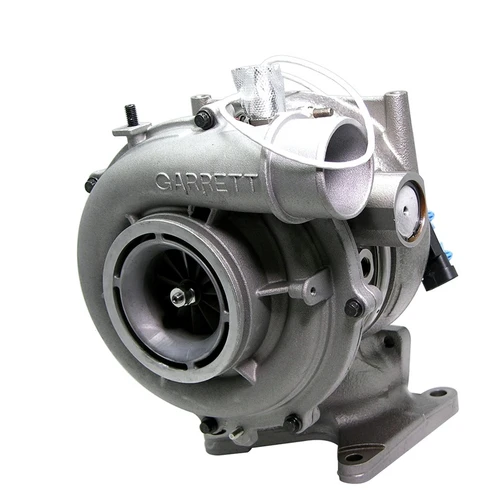
Our Duramax Turbo Problems troubleshooting guide covers vane sticking, solenoid testing, and up-pipe diagnosis for every VGT-equipped generation, and it is a useful reference whichever truck you buy.
8. Which Duramax Should You Buy?
The right answer depends on how you will use the truck, how long you plan to keep it, and how much complexity you are willing to manage. The profiles below are a starting point.
Best for Long-Term Ownership: LBZ
If you want a truck you can keep for a very long time with the fewest major risks, the LBZ is the strongest choice. Expect to pay more, and inspect carefully, because a high price does not guarantee a well-kept truck.
Best Value: LMM
If you want LBZ-level mechanical durability in a newer truck at a lower price, the LMM is hard to beat, provided you drive enough highway miles to keep the DPF healthy. It is a particularly good fit for regular towing.
Best for Heavy Towing in Stock Form: LML
If you tow heavy loads and want the most capable stock truck of the four, the LML is the choice. Budget for fuel system protection, whether that means strict filtration, a CP3 conversion, or both.
Best on a Tight Budget: LLY
If you want a pre-DPF Duramax for the lowest purchase price and plan moderate use, the LLY can be a good buy. Set aside money for cooling system improvements and inspect for any history of overheating.
- Mostly short trips and city driving: favor the LLY or LBZ, which have no DPF.
- Frequent long-distance towing: favor the LML, LBZ, or LMM.
- Lowest risk of a major repair bill: favor the LBZ.
- Newest truck with modern features: favor the LML.
- Strict emissions testing in your state: verify every system on any truck you consider.
What About the LB7 and L5P?
This comparison focuses on the four middle generations because they are the trucks most buyers are weighing against each other in the used market. The engines on either side deserve a brief mention. The LB7 is the simplest Duramax, with no EGR, no DPF, and no DEF, but its injectors sit under the valve covers and were prone to cracking and leaking, which makes injector history the first question for any LB7. The L5P, introduced for 2017, is the most powerful Duramax and replaced the CP4.2 with a Denso HP4 pump. It carries the most complex emissions system of any Duramax and the highest purchase prices.
- LB7: simplest emissions, but check injector replacement history before buying. Our LB7 Duramax Injector Failure guide covers this in detail.
- L5P: the most power and the newest trucks, with full DPF and DEF systems and higher prices.
9. Pre-Purchase Inspection Checklist for Any Duramax
Whichever generation you choose, the condition of the individual truck matters more than the engine code. A well-maintained LML can be a better buy than a neglected LBZ. Use the checklist below on any Duramax you are considering, and add the generation-specific checks from the sections above. If you are not comfortable performing these checks yourself, a pre-purchase inspection from a diesel specialist is money well spent.
Documents and History
- Confirm the engine code from the eighth digit of the VIN.
- Ask for maintenance records covering oil, fuel filters, coolant, and transmission service.
- Ask about major repairs such as injectors, turbo, EGR cooler, head gaskets, DPF, or injection pump.
- Ask about tuning history and whether any emissions equipment has been removed or modified.
- Check for open recalls and service campaigns on the VIN.
Questions to Ask the Seller
The seller's answers, and how readily they give them, often tell you as much as the inspection. An owner who knows when the fuel filter was last changed and which shop replaced the injectors has usually taken care of the truck. Vague answers about tuning, towing, or emissions equipment deserve follow-up.
- How was the truck used: daily driving, towing, plowing, or fleet work?
- How heavy were the trailers, and how often did it tow?
- Has the truck ever overheated or gone into limp mode?
- Has it ever been tuned, and is the tune still installed?
- Which major components have been replaced, and are there receipts?
- Has it passed its most recent emissions inspection, if your state requires one?
Visual Inspection
Start under the hood with the engine cold. Look at the coolant level and condition, and check the reservoir for oil film or staining. Pull the dipstick and note whether the level is above the full mark or smells like fuel, which can indicate leaking injectors or, on DPF trucks, excessive regeneration. Look around the water pump, the turbo, and the EGR system for coolant residue. Check the transmission cooler lines and fittings for fluid. Underneath, look for oil leaks, exhaust leaks, and any signs that emissions components have been removed or replaced with straight pipe.
- Coolant level, color, and any sign of oil in the coolant.
- Oil level, smell, and any sign of coolant in the oil.
- Leaks at the water pump, turbo coolant lines, and EGR cooler.
- Transmission cooler line fittings.
- Exhaust system integrity and presence of all emissions components.
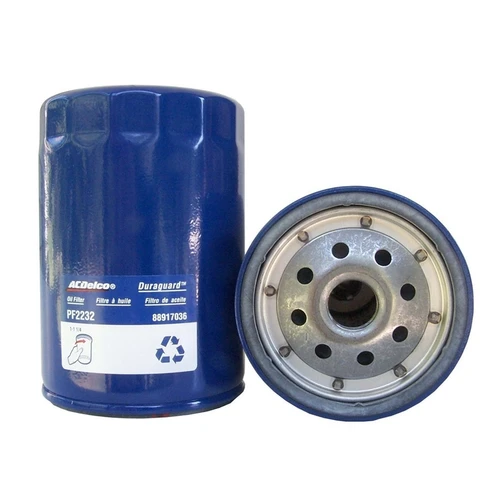
- Fuel filter housing condition and water separator contents.
Scan Tool Checks
A scan tool reveals far more than a test drive. Even an inexpensive tool that reads live data and injector balance rates will tell you a great deal about a Duramax. On DPF-equipped trucks, look at soot load and regeneration history. On the LML, look for stored DEF and NOx sensor codes. On every truck, compare commanded and actual fuel rail pressure and boost.
- Stored, pending, and permanent trouble codes.
- Injector balance rates at a warm idle.
- Commanded versus actual rail pressure during cranking and under load.
- Desired versus actual boost and turbo vane position.
- DPF soot load and regeneration frequency on LMM and LML trucks.
- DEF system and NOx sensor data on LML trucks.
Test Drive
Start the truck cold if you can. Watch for extended cranking, white or blue smoke, and rough running in the first minute. On the road, look for smooth power, steady boost, and clean shifts from the Allison. Tow a trailer if the seller allows it, because many cooling and turbo problems only appear under load. After the drive, let the engine idle and look under the truck for fresh drips, then recheck the coolant reservoir.
10. Keeping Your Duramax Healthy: Parts and Support From Bostech
Once you own a Duramax, the way you approach repairs determines how long it lasts. The most expensive mistakes come from fixing the part that failed without fixing what caused it. A clogged DPF often traces back to a leaking injector. A stuck turbo often traces back to a leaking EGR cooler. New injectors fail early when installed with old, corroded high-pressure lines. On an LML, a new pump installed without cleaning the rest of the fuel system can be destroyed by leftover debris.
- Replace injectors as a set on high-mileage engines, with new high-pressure lines and return lines.
- Replace a leaking EGR cooler along with a full cooling system flush and a turbo inspection.
- Service the turbo along with the up-pipes and EGR system.
- Replace the water pump along with its O-rings, thermostats, and fresh coolant.
- Treat any CP4 failure as a complete fuel system repair.
Maintenance Priorities by Generation
Basic maintenance is similar across all four engines: regular oil changes with the correct diesel oil, fuel filter changes on schedule, air filter inspections, and coolant service. Each generation also has a maintenance priority that deserves extra attention.
- LLY: Cooling system condition and temperature monitoring, especially for towing.
- LBZ: Water pump and EGR system condition at high mileage.
- LMM: DPF health, regeneration habits, and oil level checks for fuel dilution.
- LML: Fuel filtration and water separation to protect the CP4, plus DEF quality and level.
A scan tool that reads injector balance rates, rail pressure, boost, and, on later trucks, soot load and DEF data is one of the best investments a Duramax owner can make. Checking those values a few times a year catches small problems before they become large ones.
Bostech Auto supplies remanufactured and new diesel components for every Duramax generation, including fuel injectors, EGR coolers, turbochargers and turbo components, injection pumps, and water pumps. Our parts are built to meet or exceed OE specifications, and our technical team can help you put together the complete set of parts a repair requires. Visit bostechauto.com to browse the catalog, or call 1-800-868-0057 or email customerservice@bostechauto.com for fitment help.
For deeper diagnostic detail on each engine, our blog includes platform guides for the LB7, LLY, LBZ, and LMM, a Duramax Turbo Problems troubleshooting guide covering every VGT-equipped generation, and a CP4 Fuel Pump Failure guide. Guides covering the LML and L5P individually are on the way.
11. Frequently Asked Questions
The LBZ is widely considered the most reliable Duramax in this group. It combines a strengthened block and rods, a durable CP3 injection pump, and the Allison six-speed, without any DPF or DEF system. The LMM is mechanically very similar but adds a particulate filter that requires more attention.
The LMM is mechanically close to the LBZ, with the same basic block, rotating assembly, CP3 pump, and injector design. The main differences are the LMM's diesel particulate filter and oxidation catalyst, a revised EGR calibration with more exhaust recirculation, and the newer GMT900 body. Those emissions changes reduce fuel economy and add DPF maintenance.
Check the eighth digit of the VIN. An LBZ shows "D" and an LLY shows "2". An LBZ will also have the six-speed Allison, while the LLY has the five-speed. Do not rely on the model year alone, because both engines appeared in trucks from overlapping years.
An LML can be an excellent truck, but the CP4.2 pump is a real risk. A failure can require replacing the pump, injectors, rails, lines, and more. Many buyers look for trucks with a documented CP3 conversion or plan to install one. Strict fuel filtration and careful fuel sourcing also reduce the risk.
Among these four, the LML is the strongest stock towing truck, with 765 lb-ft of torque and a factory exhaust brake mode. The LBZ and LMM are both very capable towing trucks with the Allison six-speed. The LLY can tow well but needs attention to cooling under heavy loads in hot weather.
Pre-DPF engines like the LLY and LBZ generally deliver better fuel economy than the LMM, which uses extra fuel during regeneration. The LML often improves on the LMM thanks to its SCR system, though owners also need to buy DEF.
No. The LMM uses the Bosch CP3, the same pump family used on the LB7, LLY, and LBZ. The CP4.2 arrived with the 2011 LML. This is one of the main reasons many buyers choose the LMM over the LML.
No generation needs to be avoided outright, but each has risks to weigh. LLY trucks used for heavy towing in hot climates deserve close inspection for overheating and head gasket damage. LMM trucks used mostly for short trips may have DPF and fuel dilution problems. Early LML trucks, particularly 2011 and 2012, are often reported to have higher CP4 failure rates. The individual truck's condition matters more than the year.
Removing or disabling emissions equipment on a road vehicle can violate the federal Clean Air Act and state laws, and it can make a truck difficult to register, inspect, or sell. The better approach is to repair the underlying problem, such as a leaking injector or a failing EGR cooler, so the emissions system works as designed.
Bostech Auto carries remanufactured injectors, EGR coolers, turbochargers, injection pumps, water pumps, and related components for Duramax engines at bostechauto.com. For help confirming fitment for your specific truck, call 1-800-868-0057 or email customerservice@bostechauto.com.
12. Disclaimer
The information in this article is provided for general informational and educational purposes only. Specifications, ratings, and component details vary by model year, application, and calibration, and reported failure patterns reflect common industry and owner experience rather than guaranteed outcomes for any individual vehicle. Always consult the appropriate factory service information and a qualified diesel technician before purchasing a vehicle or performing repairs. Modifying or removing emissions control equipment on a road vehicle may violate federal, state, and local laws. Bostech Auto is not responsible for any damage, injury, or loss resulting from the use of the information in this article.