
LLY Duramax Common Problems: The Complete 2004.5 to 2005 Owner Diagnosis and Repair Guide
Jul 15th 2026
Table of Contents
- Introduction: The Bridge Between LB7 and LBZ
- The LLY Duramax at a Glance
- Problem 1: Overheating Under Load
- Problem 2: Restrictive Turbo Inlet Manifold
- Problem 3: Head Gasket Failure
- Problem 4: Cooling Stack and Fan Clutch Weakness
- Problem 5: Water Pump Failure
- Problem 6: Injector Wear and Return Flow
- Problem 7: Injector Harness and Connector Failures
- Problem 8: Air in the Fuel System
- Problem 9: Fuel Pressure Relief Valve and Low Rail Pressure
- Problem 10: VGT Turbo Vane Sticking and Boost Control
- Problem 11: EGR and Glow System Issues
- Problem 12: Allison Transmission Stress Under Towing
- How the LLY Problems Connect
- Maintenance That Extends LLY Life
- Bostech Solutions for the LLY Duramax
- Frequently Asked Questions
- Disclaimer
Introduction: The Bridge Between LB7 and LBZ
The LLY Duramax occupies an interesting place in the history of the GM 6.6 liter diesel. Produced from the middle of 2004 through 2005, it served as the bridge between the original LB7 Duramax and the widely admired LBZ that followed. The LLY carried forward much of what made the LB7 strong while solving one of the LB7 most notorious weaknesses, and in doing so it introduced a few new problems of its own. It is sometimes unfairly dismissed as one of the least desirable Duramax generations, but in truth the LLY is a solid engine that, when properly maintained, has proven capable of reaching 300,000 miles with minimal trouble.
The most important improvement the LLY made over the LB7 was relocating the fuel injectors. On the LB7, the injectors were buried under the valve covers, exposed to heat and oil, and prone to a well known cracking and internal leakage failure. The LLY moved the injectors out from under the valve covers, dramatically reducing the injector problems that defined the LB7. The LLY also added an exhaust gas recirculation system from the start, making it emissions legal in all fifty states, added a catalytic converter downstream of the turbocharger, and adopted a larger variable geometry turbocharger that produced more power than the LB7 fixed geometry unit.
Those improvements came with a cost, however. The larger variable geometry turbo and a restrictive turbo inlet manifold, combined with an undersized cooling system, gave the LLY its single most defining characteristic: a tendency to run hot and to overheat under load. That overheating is the thread that connects most of the LLY significant problems, and understanding it is the key to understanding the engine. This guide walks through the common LLY Duramax problems in the order they tend to matter to an owner, explaining what fails, why it fails, what symptoms to watch for, and what a proper repair involves, with an emphasis on complete system repair over piecemeal fixes.
The LLY Duramax at a Glance
Understanding the basic design of the LLY explains both its strengths and its weaknesses. The LLY is a 6.6 liter, 90 degree V8 diesel with cast aluminum heads and a single cam operating four valves per cylinder through an overhead valve arrangement. Each cylinder head is secured by six 14 millimeter head bolts.
Key characteristics of the LLY Duramax include:
- A 6.6 liter V8 built by DMAX, a joint venture between General Motors and Isuzu.
- Cast aluminum cylinder heads with six 14 millimeter head bolts per cylinder.
- Bosch common rail fuel injection with a CP3 high pressure injection pump.
- Fuel injectors relocated out from under the valve covers compared to the LB7, improving injector reliability.
- A larger variable geometry turbocharger that produces more power than the LB7 fixed geometry unit.
- An exhaust gas recirculation system fitted from the start, making the LLY emissions legal in all fifty states.
- A catalytic converter downstream of the turbocharger, with no diesel particulate filter on this generation.
- Pairing with the Allison 1000 automatic transmission in most applications.
Compared to the LB7 that came before it, the LLY gained about ten horsepower and made its peak torque roughly 200 rpm sooner, with later examples adding more torque and sharing more internals with the LBZ that followed. In many respects the LLY is closer to the LBZ than to the LB7, and 2006 LLY examples in particular overlap heavily with LBZ characteristics. The absence of a diesel particulate filter is worth noting, because it means the LLY avoids the regeneration and oil dilution problems that plague later emissions era diesels. The LLY emissions hardware is limited to EGR and a catalytic converter, neither of which is especially failure prone, though both can develop issues at higher mileage.
Problem 1: Overheating Under Load
Overheating is the single most defining problem of the LLY Duramax and the root cause behind several of its other failures. The LLY inherently runs warmer than the LB7, and under heavy load, especially when towing on a grade in high ambient temperatures, coolant temperatures can climb to levels that threaten the engine. It is common for coolant temperatures to exceed 230 degrees Fahrenheit under these conditions, and sustained operation at those temperatures sets the stage for head gasket failure.
Several factors combine to cause the overheating. The turbo inlet manifold is small and restrictive, which raises exhaust gas temperatures and hurts turbo performance. The factory radiator is undersized and struggles to shed heat under load. The cooling stack can become blocked with debris, further reducing its ability to reject heat. None of these is catastrophic on its own, but together they leave the LLY with little thermal margin, so a hard pull on a hot day can push the engine into dangerous territory.
Symptoms and contributing factors of LLY overheating include:
- Coolant temperatures rising well above normal under load, often exceeding 230 degrees Fahrenheit while towing.
- Elevated exhaust gas temperatures, particularly on grades.
- Coolant being pushed out of the overflow tank after a hard pull or hot shutdown.
- A restrictive factory turbo inlet manifold that raises exhaust temperatures.
- An undersized factory radiator with limited capacity to shed heat.
- Debris blocking the cooling stack, reducing airflow and heat rejection.
It helps to understand why the LLY runs hotter than the LB7 it replaced. The larger variable geometry turbocharger that gives the LLY its improved power also generates more heat, and the restrictive factory inlet manifold that feeds it drives exhaust gas temperatures higher still. At the same time, the cooling system did not grow to match the increased thermal load. The result is an engine that makes more power but has to work harder to stay cool, and under the specific conditions of a heavy load, a long grade, and a hot day, that combination can overwhelm the cooling system faster than an owner expects. This is why so many LLY overheating events happen during towing rather than in everyday driving.
Because overheating is the gateway to the most expensive LLY failure, head gasket loss, managing it is the most valuable thing an owner can do. Many owners address the root causes directly with an upgraded turbo inlet manifold that improves airflow, careful attention to keeping the cooling stack clean, verification that the fan clutch and water pump are working properly, and disciplined towing practices that avoid pushing the engine into sustained high temperature operation. Monitoring coolant temperature and exhaust gas temperature with a gauge is essential, because the factory instrumentation does not give an owner enough warning to intervene before damage occurs.
The importance of gauges on the LLY cannot be overstated. The factory temperature gauge is heavily damped and can sit at a normal looking position while actual coolant temperature is climbing toward dangerous levels. An owner relying solely on the factory gauge may have no warning until coolant is already being pushed out of the overflow tank, by which point head gasket damage may have begun. Adding accurate coolant temperature and exhaust gas temperature gauges gives the owner the early warning needed to back off the throttle, downshift, or pull over before a hot pull turns into a head gasket repair. For a truck used to tow, this instrumentation is not a luxury. It is a core part of protecting the engine.
Problem 2: Restrictive Turbo Inlet Manifold
The factory turbo inlet manifold on the LLY is a specific and well known contributor to the engine overheating tendency. The manifold routes air into the turbocharger, and the factory design is too small and too restrictive to feed the larger variable geometry turbo efficiently. The restriction raises exhaust gas temperatures, hurts the overall performance of the turbo, and contributes directly to the heat problems that threaten the head gaskets.
Beyond the airflow restriction, the factory turbo inlet manifold can also crack or warp over time, which introduces air leaks and further reduces engine performance. A cracked inlet manifold is worth catching early, because it compounds the LLY existing thermal challenges.
Addressing the turbo inlet manifold involves:
- Recognizing that the restrictive factory manifold is a root contributor to LLY overheating, not just a performance limitation.
- Inspecting the factory manifold for cracks or warping that create air leaks.
- Considering an upgraded aftermarket turbo inlet manifold that significantly improves airflow, which many owners report meaningfully reduces exhaust gas temperatures.
- Treating manifold improvement as part of a broader cooling and airflow strategy rather than a standalone modification.
Problem 3: Head Gasket Failure
Head gasket failure is more common on the LLY than on any other Duramax generation, and it is the failure that overheating leads to. The chain of events is consistent. The engine runs hot due to the restrictive inlet manifold, undersized radiator, and blocked cooling stack. Sustained high temperatures, especially under heavy towing loads on grades in hot weather, stress the head gaskets. The aluminum heads and their six 14 millimeter head bolts per cylinder eventually lose their grip on the gasket, and combustion pressure begins to breach the seal, particularly around the rear cylinders where cooling is weakest.
The head bolts are a key part of the story. Under the elevated cylinder pressures produced by heavy loads or aggressive tuning, combined with chronic overheating, the factory head bolts can stretch and allow the heads to lift slightly. Once the seal is breached, coolant and combustion gases mix, producing the classic symptoms of head gasket failure. Aftermarket modifications and aggressive tuning increase the risk and can cause failures at lower mileage.
Symptoms of LLY head gasket failure include:
- Coolant being pushed out of the overflow tank, especially after a hard pull or hot shutdown.
- White smoke from the exhaust, particularly under load.
- Rising coolant temperatures while towing.
- Coolant loss with no obvious external leak.
- Bubbles or combustion gases detectable in the coolant.
- Misfires or rough running as the seal deteriorates.
Diagnosing an LLY head gasket failure typically involves confirming that combustion gases are entering the cooling system, which can be done with a combustion gas test on the coolant, along with checking for coolant loss, evaluating cooling system pressure behavior, and looking for the characteristic pattern of coolant being pushed out after a hard pull. Because the rear cylinders are where cooling is weakest and where failures often begin, a technician pays particular attention to the signs pointing toward those cylinders. Getting the diagnosis right matters because of the substantial labor the repair requires.
Repairing LLY head gaskets is one of the most labor intensive jobs on the engine, and most shops quote a substantial number of labor hours because the job requires significant disassembly. Because of that labor cost, best practice is to do the job thoroughly and only once. That means upgrading to head studs rather than reusing the factory head bolts, having the heads resurfaced and checked for cracks at a machine shop, using quality head gaskets, and, critically, correcting the underlying overheating that caused the failure in the first place. Replacing the gaskets without addressing the cooling and airflow problems simply resets the clock on the same failure. Many owners take advantage of the open engine to replace injector cups, glow plugs, and other accessible wear items at the same time.
The single most important principle in LLY head gasket repair is that the gaskets are the symptom, not the disease. The disease is overheating. An owner who spends heavily on a proper head gasket job with upgraded studs and machined heads, then returns the truck to service with the same restrictive inlet manifold, undersized radiator, blocked cooling stack, or weak water pump that caused the original failure, has not actually solved the problem. They have merely bought time. A truly complete repair pairs the gasket work with a comprehensive cooling and airflow overhaul, so the new gaskets are protected by a cooling system that can actually keep the engine in its safe temperature range under load. This is the clearest example on the LLY of why complete system repair is not a slogan but a genuine economic necessity.
Problem 4: Cooling Stack and Fan Clutch Weakness
The LLY cooling stack, the assembly of heat exchangers at the front of the truck, and the engine fan system are central to the overheating problem. The factory radiator is undersized for the heat the LLY produces, and the stack can become blocked with debris over time, further reducing airflow and heat rejection. The fan clutch, which controls how aggressively the engine fan pulls air through the stack, must be working properly for the cooling system to have any chance of managing heat under load.
A weak or failing fan clutch is an often overlooked contributor to LLY overheating. If the clutch is not engaging firmly when the engine is hot, the fan does not move enough air, and coolant temperatures climb even if the rest of the cooling system is healthy. Because the LLY has so little thermal margin to begin with, any weakness in the fan system has an outsized effect.
Cooling stack and fan attention points include:
- Keeping the cooling stack clean and free of debris that blocks airflow.
- Verifying the fan clutch engages firmly when the engine is hot.
- Considering an upgraded radiator or improved cooling components for trucks used heavily for towing.
- Inspecting all cooling hoses and connections for leaks that reduce system capacity.
- Treating cooling system health as a first tier maintenance priority given the LLY thermal sensitivity.
Problem 5: Water Pump Failure
The LLY carried over the water pump weakness of the LB7, and later LLY examples are particularly affected because the water pump impeller design changed from steel to plastic. A plastic impeller can degrade or slip on its shaft, reducing the pump ability to circulate coolant even when the pump appears to be turning. Given the LLY already marginal cooling capacity, a weak water pump compounds every other cooling issue and pushes the engine closer to the overheating that causes head gasket failure.
Water pump failure can be gradual and easy to miss. A pump that is beginning to fail may still move some coolant, masking its condition while quietly allowing operating temperatures to creep up. Because the consequences of overheating on the LLY are so severe, evaluating the water pump whenever cooling problems appear, and replacing it if there is any doubt, is sound practice.
Signs of water pump trouble on the LLY include:
- Coolant temperatures that climb despite an otherwise healthy cooling system.
- Coolant weeping from the water pump weep hole.
- Noise from the water pump bearing.
- Overheating under load that does not resolve with cooling stack cleaning.
The shift to a plastic impeller on later LLY water pumps is the specific detail that makes this a notable weakness. A steel impeller is essentially permanently bonded to its shaft, but a plastic impeller can, over time and heat cycling, loosen or degrade to the point where it no longer moves coolant effectively even though the pump shaft is still turning. Because the failure can be partial and progressive rather than sudden and total, it is easy for a slowly failing pump to masquerade as a general overheating problem, sending an owner chasing radiators and fan clutches when the real culprit is a pump that is no longer moving its rated volume of coolant. On an engine with as little thermal margin as the LLY, this partial loss of coolant flow is enough to tip the balance toward overheating under load.
Problem 6: Injector Wear and Return Flow
While the LLY dramatically improved on the LB7 famous injector problems by relocating the injectors out from under the valve covers, the injectors are still a wear item that eventually needs attention. LLY injectors wear over time, and their condition is commonly evaluated by measuring return flow, sometimes called return rates, which indicates how much fuel is leaking past the injector internals rather than being delivered to the cylinder. Excessive return flow signals a worn injector.
Fuel quality and air in the system can cause injector issues to appear earlier than they otherwise would. The LLY, like the LB7, lacks a factory lift pump, which means the CP3 must draw fuel from the tank. This arrangement can allow air into the system and places more demand on fuel cleanliness. Poor fuel quality accelerates injector wear, so disciplined fuel filtration is an important part of protecting the injectors.
Symptoms of worn LLY injectors include:
- Rough idle or a noticeable miss, especially when cold.
- Hard starting or extended cranking.
- A drop in fuel economy.
- Excessive smoke or a knock as injectors deteriorate.
- Elevated return flow measured during diagnosis.
The return flow test deserves a brief explanation because it is central to LLY injector diagnosis. Each injector has a small amount of fuel that returns to the tank as part of normal operation, but as an injector wears internally, that return flow increases because fuel is leaking past worn internal surfaces rather than being injected. By measuring the return flow from each injector, a technician can identify which injectors are worn without removing them, and a single injector with dramatically higher return flow than its neighbors is a clear candidate for replacement. This test, combined with cylinder contribution data from a scan tool, gives a reliable picture of injector health.
When LLY injectors are replaced, they should be replaced with fully remanufactured units built to proper specifications, and it is common to replace them as a complete set since a single worn injector often signals that the others are aging on the same timeline. A properly remanufactured injector is fully disassembled, inspected, and rebuilt with new seals and tested to confirm performance, which is a meaningful step above a unit that has merely been cleaned. Because the LLY relocated injector design makes the injectors far more accessible than the LB7, injector service is considerably less involved on this engine than on its predecessor.
It is worth appreciating just how much the injector relocation improved this engine. On the LB7, replacing injectors meant removing the valve covers and working with injectors that had been cooking in heat and oil, and the job was both involved and frequently necessary. On the LLY, the injectors sit in a more accessible and more favorable location, and they simply do not fail as often or as early. When they do eventually wear, the service is more straightforward. This single design change is a large part of why the LLY, despite its overheating reputation, is in many ways a more trustworthy engine to own than the LB7 that preceded it.
Problem 7: Injector Harness and Connector Failures
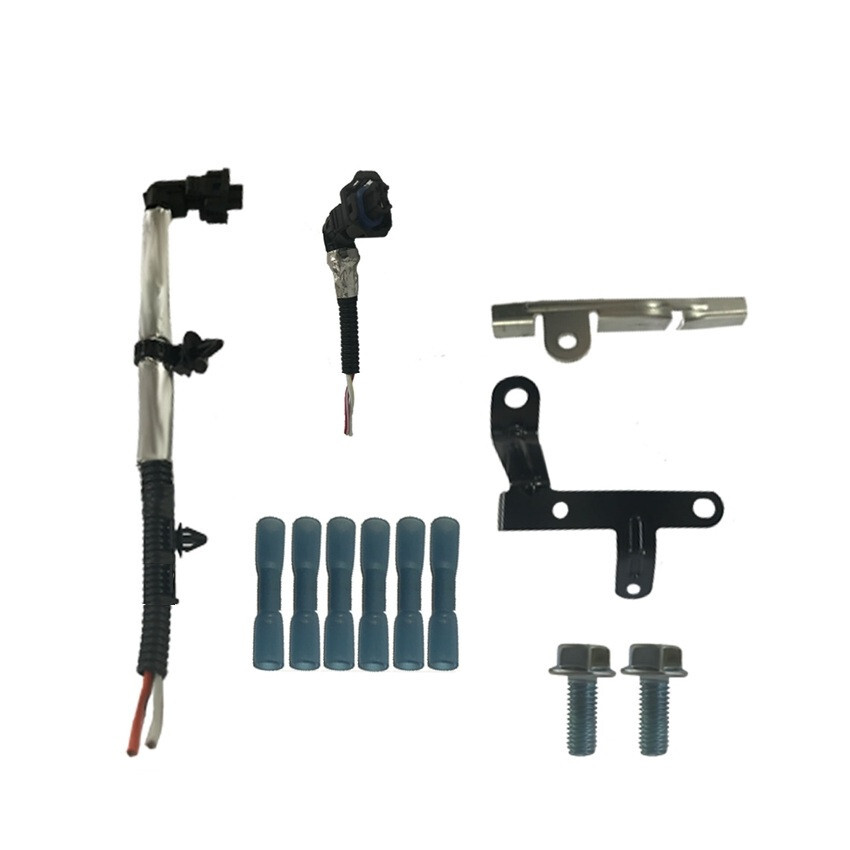
A distinctive LLY problem, and one that is sometimes mistaken for a failing injector, is failure of the injector wiring harness and its connectors. On the LLY, the most common injector related complaints often trace not to the injectors themselves but to the harness and connections that carry the electrical signal to them. Heat and vibration degrade the harness over time, producing intermittent electrical faults that mimic injector failure.
This distinction matters because it can save an owner from an unnecessary injector replacement. A truck exhibiting misfires or injector related codes may in fact have a harness or connector problem rather than a worn injector, and diagnosing the harness first can avoid the cost of replacing injectors that are actually healthy. This is a case where careful diagnosis pays for itself.
Signs that point to a harness or connector problem include:
- Intermittent misfires that come and go rather than being tied to one consistently failing cylinder.
- Injector related codes that do not correlate with return flow testing of the injectors.
- Symptoms that change with engine temperature or vibration.
- Corroded or damaged connector pins found on inspection.
Problem 8: Air in the Fuel System
The LLY, like the LB7, does not have a factory lift pump, which means the CP3 injection pump must pull fuel from the tank rather than having fuel pushed to it. This design makes the system susceptible to air intrusion, commonly at the fuel filter head. Air in the fuel system causes hard starting, rough running, and can contribute to injector problems, and it places extra demand on the CP3.
Air intrusion at the fuel filter head is a recognized LLY issue. The connections around the filter head must seal properly to keep air out, and any leak on the suction side of the system allows air in without necessarily leaking fuel out, which can make the problem hard to locate. Because air in the fuel affects starting, running quality, and injector health, it is worth resolving thoroughly.
Addressing air in the LLY fuel system involves:
- Inspecting the fuel filter head and its connections for air intrusion on the suction side.
- Ensuring the fuel filter and its seals are in good condition and properly installed.
- Considering an aftermarket lift pump system, which pressurizes fuel to the CP3, reduces air intrusion, and eases the load on the injection pump.
- Maintaining clean fuel and disciplined filter service to protect the CP3 and injectors.
Many LLY owners install an aftermarket lift pump specifically to solve air intrusion, protect the CP3, and improve fuel delivery to the injectors. Because the factory design places the burden of drawing fuel on the injection pump, adding a lift pump addresses a root design limitation rather than just a symptom.
The logic behind adding a lift pump is worth understanding, because it illustrates how a design decision made for cost reasons can create a lasting weakness. Without a lift pump, the CP3 has to create suction to pull fuel all the way from the tank, and any imperfect seal on that suction path lets air in rather than letting fuel out, which makes such leaks harder to find and means the pump is doing extra work under less than ideal supply conditions. A lift pump reverses this dynamic by pushing a steady, pressurized, air free supply of fuel to the CP3. The injection pump then works under far more favorable conditions, air intrusion is largely eliminated, and fuel delivery to the injectors is more consistent. For an owner planning to keep an LLY for the long term, or to tow with it, a quality lift pump is one of the more worthwhile investments available for the fuel system.
Problem 9: Fuel Pressure Relief Valve and Low Rail Pressure
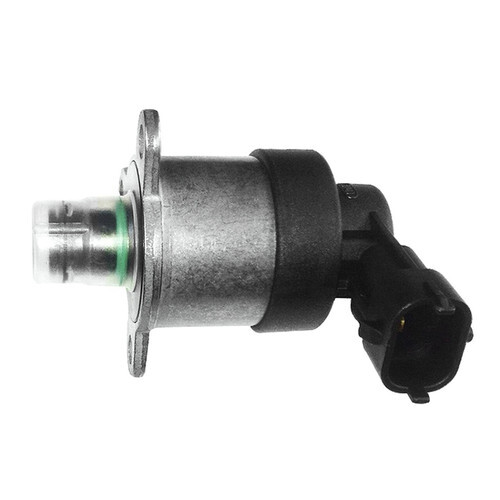
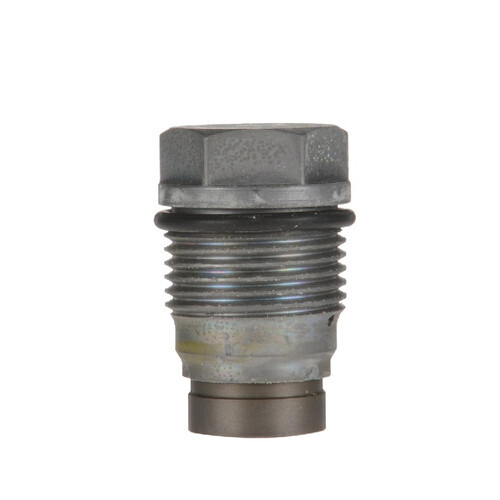
The fuel pressure relief valve, sometimes called the fuel pressure regulator or relief valve, protects the common rail from excessive pressure by venting fuel back to the tank when rail pressure climbs too high. On the LLY, this valve can fail or open prematurely, causing low rail pressure that the engine cannot compensate for. Low rail pressure produces a distinctive set of symptoms and can leave the truck in a limp or reduced power condition.
Low rail pressure on the LLY can stem from the relief valve, from a worn CP3, or from air intrusion and fuel supply problems, so diagnosis matters. A relief valve that is venting when it should not be will bleed off rail pressure that the CP3 is working to build, and the result is a truck that runs poorly under load or falls into a reduced power mode. Distinguishing a failing relief valve from a worn CP3 or a fuel supply issue is an important diagnostic step.
Symptoms of low rail pressure on the LLY include:
- Reduced power or a limp mode under load.
- Rail pressure codes stored in the engine controller.
- Hard starting or extended cranking.
- Hesitation and poor performance that worsens under demand.
The diagnostic challenge with low rail pressure is that the CP3 pump, the relief valve, and the fuel supply system are all in series, so a deficiency anywhere along that path shows up as the same low pressure symptom. A technician typically works methodically to isolate the cause: verifying that the fuel supply to the CP3 is adequate and free of air, evaluating whether the relief valve is holding or venting prematurely, and assessing the CP3 output. Replacing the relief valve when the real problem is a worn CP3, or replacing the CP3 when the real problem is air intrusion on the supply side, wastes both parts and labor. This is another instance where the interconnected nature of the LLY fuel system rewards careful, systematic diagnosis over guesswork.
Problem 10: VGT Turbo Vane Sticking and Boost Control
The LLY uses a variable geometry turbocharger, a design that adjusts the effective size of the turbine housing by moving a set of vanes, allowing the turbo to spool quickly at low engine speed and flow enough at high engine speed. This is a significant advance over the LB7 fixed geometry turbo, but the variable geometry mechanism can suffer from vane sticking, especially as soot and carbon accumulate over time. Sticking vanes disrupt boost control and hurt performance and drivability.
When the vanes stick, the turbo cannot adjust its geometry properly, leading to inconsistent boost, poor throttle response, and in some cases boost related codes. Carbon buildup from EGR operation contributes to vane sticking, which is one of the ways the LLY emissions hardware interacts with its turbo. Keeping the truck driven regularly and the exhaust healthy helps limit the carbon accumulation that causes vanes to stick.
Signs of VGT vane sticking on the LLY include:
- Inconsistent or erratic boost pressure.
- Poor throttle response and sluggish acceleration.
- Boost related codes stored in the controller.
- A surge or hunting sensation in boost delivery.
The interaction between the EGR system and the turbo is worth understanding. The EGR system recirculates exhaust gas, and over many miles the carbon and soot it carries can accumulate in the turbo vane mechanism, gradually impeding the smooth movement the variable geometry design depends on. This means that keeping the EGR system healthy and the truck driven regularly, so the exhaust stays hot enough to limit carbon buildup, indirectly protects the turbo. A truck that sits often or does a lot of cold, short trip running gives carbon more opportunity to accumulate and stick the vanes. When vanes do stick, cleaning the mechanism can sometimes restore proper operation, though a mechanism that has been sticking for a long time may need more extensive attention.
Problem 11: EGR and Glow System Issues
The LLY introduced the exhaust gas recirculation system from the start, and while the EGR and the catalytic converter are not especially failure prone, they can develop issues at higher mileage. EGR soot accumulation can affect drivability and contributes to the carbon buildup that causes turbo vane sticking. The EGR valve can develop problems that affect running quality, and cleaning or servicing it periodically helps maintain performance.
The glow plug system is important for cold starting the LLY, and glow plug or glow plug relay failure can cause hard cold starts and rough running until the engine warms. Because the LLY has no diesel particulate filter, it avoids the regeneration related problems of later engines, so its emissions related issues are limited mainly to EGR soot and the glow system rather than the more complex aftertreatment failures of DPF equipped diesels.
EGR and glow system attention points include:
- Cleaning or servicing the EGR valve periodically to limit soot related drivability problems.
- Recognizing that EGR soot contributes to turbo vane sticking, linking these two systems.
- Checking glow plugs and the glow plug relay if the truck is hard to start cold or runs rough when cold.
- Performing cold start checks as part of routine diagnosis in colder climates.
Problem 12: Allison Transmission Stress Under Towing
Most LLY trucks are paired with the Allison 1000 automatic transmission, a strong and generally reliable unit, but one that can be stressed by heavy towing, especially when combined with the overheating tendencies of the engine. Transmission temperature management is an important part of LLY ownership for owners who tow, because heat is as much an enemy of the transmission as it is of the engine.
Under sustained heavy towing, particularly on grades in hot weather, both the engine and the transmission are working hard and generating heat. Managing towing strategy, keeping transmission temperatures in check, and maintaining the transmission fluid properly all help the Allison deliver its potential longevity. Aggressive tuning that substantially increases power and torque places additional stress on the transmission and should be approached with an understanding of the added load.
Protecting the Allison behind an LLY involves:
- Monitoring transmission temperature, especially during heavy towing.
- Maintaining transmission fluid and service on schedule, and more often under heavy duty use.
- Using sensible towing strategy on grades to avoid excessive heat buildup.
- Understanding that aggressive engine tuning increases the load the transmission must handle.
The Allison 1000 is genuinely one of the strong points of the LLY package, and it is worth keeping its reputation in perspective. In stock or lightly modified form, driven and maintained sensibly, it is a durable transmission that rarely gives trouble. The stress cases arise at the intersection of heavy towing, high ambient temperatures, and aggressive tuning, where both the transmission and the already heat challenged engine are pushed hard at the same time. Because heat is the shared enemy of both the engine and the transmission on this truck, the same disciplined approach that protects the engine, avoiding sustained high temperature operation and monitoring temperatures with gauges, also protects the transmission. An owner who manages heat thoughtfully is protecting the entire driveline, not just the engine.
How the LLY Problems Connect
The most useful insight for an LLY owner is that its problems are not a random list of unrelated risks. They radiate outward from a single central weakness: the engine tendency to run hot. Understanding that connection turns a confusing catalog of potential failures into a clear set of priorities.
The central cascade begins with heat. The restrictive turbo inlet manifold raises exhaust temperatures. The undersized radiator, a debris blocked cooling stack, a weak fan clutch, or a failing plastic impeller water pump each reduce the cooling system ability to shed that heat. Coolant temperatures climb under load, and sustained high temperatures stress the head gaskets until they fail, which is the single most expensive common repair on the engine. Nearly every element of the LLY cooling and airflow story feeds into this one outcome.
A second cluster of problems revolves around the fuel system. The absence of a factory lift pump means the CP3 must draw fuel itself, which allows air intrusion at the fuel filter head, places extra demand on the injection pump, and, combined with fuel quality issues, accelerates injector wear. Low rail pressure can stem from the relief valve, the CP3, or fuel supply problems, so these issues interconnect. Meanwhile, injector related complaints frequently trace to the wiring harness rather than the injectors themselves, so careful diagnosis prevents unnecessary parts replacement.
The practical conclusion is that maintaining an LLY comes down to two priorities above all others: controlling heat and keeping the fuel system clean and properly supplied. An owner who upgrades airflow and cooling, keeps the cooling system in top condition, addresses the fuel supply with clean fuel and ideally a lift pump, and diagnoses carefully rather than replacing parts blindly has addressed the root causes of the large majority of LLY problems before they ever escalate.
Maintenance That Extends LLY Life
The LLY Duramax rewards disciplined maintenance, and because its problems concentrate around heat and fuel supply, a focused maintenance routine directly prevents its most expensive failures. A well maintained LLY has proven capable of reaching 300,000 miles with minimal trouble, which is a testament to the fundamental strength of the engine when its known weaknesses are managed.
A strong LLY maintenance routine includes:
- Keeping the cooling stack clean and free of debris, and monitoring coolant temperature with a gauge, especially when towing.
- Verifying the fan clutch engages firmly when hot and evaluating the water pump if cooling problems appear.
- Considering an upgraded turbo inlet manifold and cooling improvements for trucks used heavily for towing.
- Changing engine oil on a strict schedule using the correct diesel rated oil.
- Changing fuel filters on schedule with quality filters to protect the CP3 and injectors.
- Addressing air intrusion at the fuel filter head, and considering a lift pump to reduce air and protect the CP3.
- Monitoring exhaust gas temperature and coolant temperature to catch overheating before it damages the head gaskets.
- Servicing the EGR valve periodically to limit soot and reduce turbo vane sticking.
- Checking glow plugs and the glow plug relay if cold starting becomes difficult.
- Maintaining the Allison transmission fluid on schedule and monitoring transmission temperature under load.
- Diagnosing injector related complaints carefully, checking the harness and connectors before condemning injectors.
The unifying theme is that the LLY is a fundamentally durable engine whose reputation suffers mainly from a handful of well understood, manageable weaknesses. An owner who stays ahead of cooling and airflow, protects the fuel system, and diagnoses thoughtfully can enjoy a reliable truck capable of very high mileage. The LLY reputation as a less desirable Duramax says more about its overheating tendency than about any fundamental flaw, and that tendency is largely controllable.
Bostech Solutions for the LLY Duramax
Bostech supplies remanufactured and replacement components engineered for the failure points described in this guide, with an emphasis on complete system repair rather than piecemeal parts. For an LLY owner facing fuel system or cooling repairs, addressing the whole system at once is almost always more cost effective than repeating a partial repair, particularly given the labor involved in major work like head gaskets.
Bostech components relevant to common LLY Duramax repairs include:
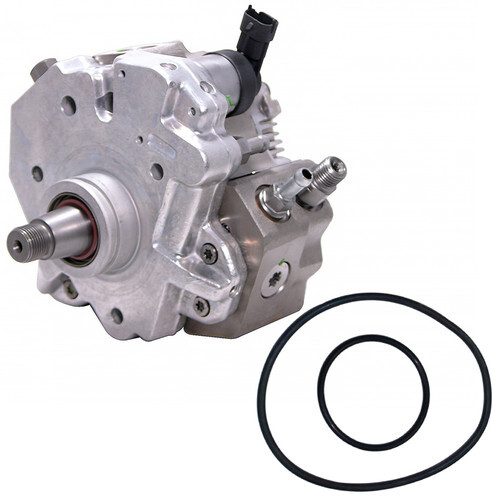
- Bostech remanufactured CP3 high pressure injection pumps for the 2004.5 to 2005 LLY, including Kodiak and Topkick applications, remanufactured to stringent specifications and 100 percent inspected and tested, to address low rail pressure and injection pump wear.
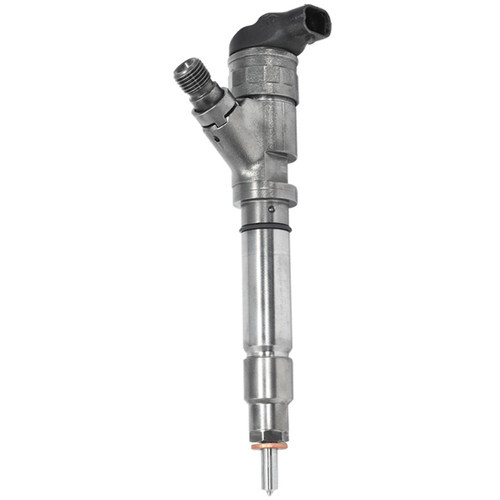
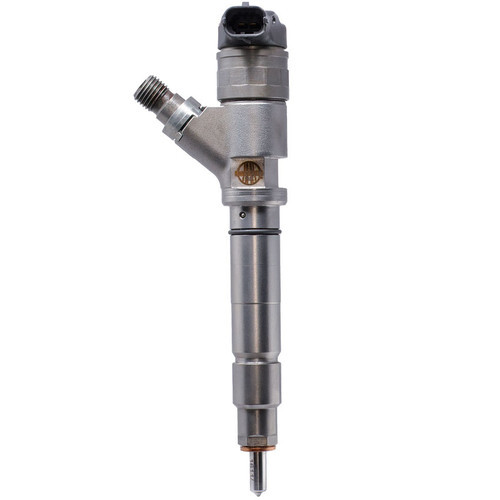
- Bostech remanufactured fuel injectors for the Duramax platform, fully disassembled, inspected, and rebuilt to proper specifications with new seals, to address injector wear and elevated return flow.
- Bostech Silver Series remanufactured fuel injectors, which cover a range of Duramax applications including LB7, LLY, LBZ, LMM, and LML, offering a precision remanufactured option for owners rebuilding the fuel system.
- Bostech heavy duty EGR coolers and related cooling and emissions components constructed with quality stainless steel material for durability, for owners addressing EGR and cooling system concerns.
- Bostech mass air flow sensors and related sensors for the 2001 to 2007 6.6 liter Duramax, to address sensor related drivability issues.
Bostech remanufactured pumps and injectors are backed by warranty coverage, and Bostech emphasizes complete, properly tested remanufacturing rather than the superficial cleaning that some low cost suppliers pass off as remanufactured. Because LLY problems so often connect back to heat and fuel supply, matching the repair to the true scope of the problem is essential. Replacing a worn injector without addressing fuel supply and air intrusion, or replacing a water pump without addressing the broader cooling weakness, simply invites the next failure.
For help identifying the correct components for a specific LLY Duramax, Bostech technical support is available at 1-800-868-0057 or by email at customerservice@bostechauto.com. Verifying fitment by the OEM part number interchange ensures the correct part the first time, and the full catalog is available at bostechauto.com.
Frequently Asked Questions
Yes. Despite sometimes being dismissed as one of the least desirable Duramax generations, the LLY is a fundamentally solid engine that has proven capable of reaching 300,000 miles with minimal trouble when properly maintained. Its reputation suffers mainly from its overheating tendency, which is a manageable weakness rather than a fundamental flaw.
The LLY overheats because of a combination of factors: a restrictive factory turbo inlet manifold that raises exhaust temperatures, an undersized factory radiator, a cooling stack that can become blocked with debris, and in later trucks a plastic water pump impeller. Together these leave the engine with little thermal margin, so heavy towing on a hot day can push coolant temperatures past 230 degrees Fahrenheit.
Head gasket failure is more common on the LLY than on any other Duramax generation, and it is the most expensive common repair because it requires extensive labor. The failure is caused by the engine overheating, so a proper repair must address both the gaskets, ideally with upgraded head studs, and the underlying cooling and airflow problems, or the failure will simply recur.
Largely, yes. The LLY relocated the fuel injectors out from under the valve covers, where the LB7 injectors were exposed to heat and oil and prone to cracking and internal leakage. This dramatically improved injector reliability. LLY injectors still wear over time and eventually need service, but they do not suffer the same notorious early failures that defined the LB7.
On the LLY, many injector-related complaints trace to the injector wiring harness and its connectors rather than to the injectors themselves. Heat and vibration degrade the harness, producing intermittent electrical faults that mimic injector failure. Diagnosing the harness first can save an owner from an unnecessary injector replacement, which is why careful diagnosis matters.
The LLY does not have a factory lift pump, so the CP3 injection pump must draw fuel from the tank, which allows air intrusion at the fuel filter head and places extra demand on the pump. Many owners install an aftermarket lift pump to pressurize fuel to the CP3, reduce air intrusion, protect the injection pump, and improve fuel delivery to the injectors. It addresses a root design limitation.
Low power or limp mode on an LLY often stems from low rail pressure, which can be caused by a failing fuel pressure relief valve venting prematurely, a worn CP3 pump, or air intrusion and fuel supply problems. Because several causes produce similar symptoms, proper diagnosis is needed to distinguish among the relief valve, the pump, and the fuel supply.
No. The LLY predates the diesel particulate filter, so it avoids the regeneration cycles and the oil dilution problems that affect later emissions-era diesels. The LLY emissions hardware is limited to an EGR system and a catalytic converter, neither of which is especially failure-prone, though EGR soot can contribute to turbo vane sticking at higher mileage.
Check for signs of past or present overheating and head gasket issues, such as coolant loss, white smoke, or coolant pushing out of the overflow tank. Evaluate the cooling system condition, ask whether cooling upgrades have been done, check for a lift pump and fuel system health, and review maintenance history. A truck with documented cooling maintenance and sensible upgrades is far safer than a cheaper neglected example.
A well-maintained LLY has proven capable of reaching 300,000 miles with minimal trouble. The key is managing the engine overheating tendency and keeping the fuel system clean and properly supplied. As with any diesel, maintenance history matters more than mileage alone when evaluating a specific truck.
Disclaimer
This article is provided for general informational and educational purposes only and does not constitute professional mechanical, diagnostic, or repair advice. Diesel engine diagnosis and repair can be complex and vehicle specific, and the symptoms described here can have multiple causes. Always consult a qualified diesel technician for diagnosis and repair of your specific vehicle, and verify correct part fitment using the OEM part number interchange before purchasing components. Product names and specifications are referenced for description purposes only. Bostech is not an original equipment manufacturer, and any use of an original manufacturer brand name is for identification and description purposes only.