
CP4 Fuel Pump Failure: Why 6.7L PowerStroke and LML/L5P Duramax Owners Need to Act
Apr 30th 2026
Table of Contents
- Introduction: The Most Expensive Eight Pounds in Diesel
- What Is the CP4 and How It Works
- CP4 Application List Across Diesel Platforms
- The L5P Clarification: HP4 Is Not CP4
- Why the CP4 Fails: The ULSD Lubricity Problem
- The Cascading Failure: From Wear to Total System Loss
- CP4 Failure Symptoms and Warning Signs
- Diagnostic Trouble Codes Associated with CP4 Failure
- The Five Minute Inspection: Checking Your Fuel Filter
- What a CP4 Failure Costs
- Prevention Option 1: Fuel Additives and Lubricity Boost
- Prevention Option 2: Disaster Prevention and Bypass Kits
- Prevention Option 3: CP3 Conversion for LML Duramax
- Prevention Option 4: DCR Conversion for 6.7 PowerStroke
- Lift Pump Upgrades and Their Role in Pump Longevity
- Bostech Solutions for CP4 Era Trucks
- Frequently Asked Questions
- Disclaimer
The Bosch CP4.2 high pressure fuel injection pump is one of the most consequential parts ever installed in a modern light duty diesel truck. When it works, it delivers fuel at up to 30,000 PSI to feed the precise common rail injection systems on Ford 6.7L PowerStroke and GM Duramax engines. When it fails, it can grenade with no warning, sending metal shavings through the entire high pressure fuel system, destroying injectors, fuel rails, lines, and contaminating the fuel tank itself. The repair bill routinely runs $8,000 to $15,000 or more.
This guide explains why the CP4 fails, which trucks are at risk, what symptoms to watch for, how to inspect for early warning signs in five minutes, and what your prevention and repair options are. It also clarifies a critical point of confusion for Duramax owners: the 2017 and newer L5P does not actually use a CP4 pump, even though many owners search for CP4 information assuming they have one.
1. Introduction: The Most Expensive Eight Pounds in Diesel
In 2011, Ford and General Motors both adopted a new high pressure fuel injection pump for their light duty diesel trucks. The Bosch CP4.2 was smaller, lighter, and more efficient than the legendary CP3 it replaced. On paper it was an evolution. In practice it has become one of the most expensive design failures in the history of consumer diesel.
The story is the same on every affected platform. A truck runs fine for somewhere between 40,000 and 150,000 miles. Then, often without warning, the pump comes apart internally. Metal shavings circulate through the high pressure fuel system in seconds. Injectors, fuel rails, regulators, and high pressure lines all fill with debris that cannot be flushed out. The truck either limps to the side of the road or dies at highway speed under load. The repair becomes a near complete fuel system replacement at $8,000 to $15,000 or more depending on platform and how far contamination spread.
CP4 failures have generated class action lawsuits against Ford and GM, prompted GM to abandon the CP4 entirely on the 2017 L5P Duramax, and forced Ram to backtrack from the CP4 on the 2021 6.7L Cummins after just two model years. Despite all of that, the pump is still in service on millions of trucks. Owners who understand how it works, how it fails, and what their options are stand to save themselves a five figure repair bill.
2. What Is the CP4 and How It Works
The CP4.2 is a Bosch designed common rail high pressure fuel injection pump. The name refers to common pressure pump, fourth generation, two cylinder. It is a mechanical pump driven off the engine timing gears, with two pumping plungers arranged in a V configuration. Each plunger is driven by a roller follower riding on a two lobe cam, producing four pressure pulses per revolution.
The pump takes fuel from the low pressure side of the system at roughly 60 to 87 PSI, depending on the platform, and pressurizes it to anywhere from 5,000 PSI at idle to over 26,000 PSI at wide open throttle and full load. That high pressure fuel is delivered to one or two fuel rails mounted on the cylinder heads, and from there to the injectors.
A few design choices on the CP4 are central to understanding why it fails. First, the pump is fuel lubricated rather than oil lubricated. Diesel fuel itself flows through the pump body to lubricate the cam, the rollers, and the plunger bores. Second, the internal tolerances are extremely tight, which is what allows the pump to generate high pressure with low volume. Third, there is no internal screen or filter to trap debris if the pump starts to fail. Once metal wear begins, that metal goes straight to the high pressure side and then to the injectors. Fourth, the pump case is cast aluminum, which is strong enough for normal operation but in a catastrophic seizure event the case can crack or burst open. In a perfect world with European spec diesel fuel and ideal operating conditions, the CP4 works exactly as designed. In the real world of North American ULSD and varying fuel quality, the design margins turn out to be thinner than they needed to be.
3. CP4 Application List Across Diesel Platforms
Knowing whether your truck has a CP4 is the first step in deciding what to do about it. The pump shipped on the following light duty diesel applications in North America:
- Ford 6.7L PowerStroke, 2011 through current model year, in F-250, F-350, F-450, F-550, F-600, F-650, and F-750 trucks. Ford has used the CP4 longer than any other domestic manufacturer.
- Ford 3.0L PowerStroke, 2018 through 2021, in the half ton F-150 diesel.
- GM 6.6L Duramax LML, 2011 through 2016, in Chevrolet Silverado 2500HD/3500HD and GMC Sierra 2500HD/3500HD.
- GM 6.6L Duramax LGH, 2011 through 2016, in Chevrolet and GMC commercial vans (Express and Savana 2500/3500), plus a small number of cab and chassis applications.
- Ram 6.7L Cummins, 2019 and 2020 only. Ram returned to the CP3 starting with the 2021 model year.
- Ram and Jeep 3.0L EcoDiesel, 2014 through 2023, in the Ram 1500 half ton, Jeep Grand Cherokee, and Jeep Gladiator.
- Nissan Titan XD with the 5.0L Cummins V8, 2016 through 2019.
A few patterns in this list are worth noting. Ford committed to the CP4 in 2011 and has not moved away from it on the Super Duty platform. GM ran the CP4 for six model years on the LML before switching to the Denso HP4 on the L5P in 2017. Ram tried the CP4 for two model years on the 6.7L Cummins, watched the failure pattern repeat itself, and reverted to the more reliable CP3 in 2021. The class action lawsuits and warranty exposure pushed manufacturers in different directions, but the pump itself remains in production and remains in service on millions of trucks.
If you are not sure which pump your truck has, the easiest way to confirm is to look at the front of the engine valley. The CP4 is mounted at the front center of the engine on Ford 6.7L PowerStroke and at the front of the lifter valley on the LML Duramax. The pump body is compact and unmistakably aluminum. Your VIN and a quick check with a Ford or GM parts catalog will also tell you definitively which pump shipped from the factory.
4. The L5P Clarification: HP4 Is Not CP4
A common point of confusion in the diesel world deserves direct attention. The 2017 and newer GM Duramax L5P engine does not use a CP4 fuel pump. It uses the Denso HP4. The two pumps look superficially similar from the outside and serve the same function in the fuel system, but they are entirely different designs from different manufacturers, and the HP4 does not have the catastrophic failure history that the CP4 does.
GM made the switch specifically because of the CP4 failure pattern. When the L5P launched in 2017, GM also moved away from Bosch as the primary fuel system supplier and brought in Denso. The L5P Denso HP4 has three pumping plungers rather than two, includes an inlet filter screen that the CP4 lacks, operates at higher pressure than the CP4 (up to 36,000 PSI), and is supplied by a factory installed in tank electric lift pump that maintains 55 to 60 PSI of supply pressure at all times. None of that was true on the LML it replaced.
For owners of 2017 and newer L5P Duramax trucks, this is good news. You do not have a CP4. You have an HP4 with a substantially better track record, supported by a factory lift pump that addresses one of the underlying causes of CP4 failure. That said, no high pressure pump is invincible, and the fuel system maintenance practices recommended later in this guide (additive use, fuel filter changes, water draining) still apply to the L5P. The protection options described in the prevention sections, however, mostly do not. There is no CP3 or DCR conversion for the L5P because the HP4 does not need one.
If you own a 2011 through 2016 LML Duramax, on the other hand, you have a CP4 and the rest of this guide applies fully. The same is true for any 6.7L PowerStroke from 2011 to current and the 2019 to 2020 6.7L Cummins.
5. Why the CP4 Fails: The ULSD Lubricity Problem
CP4 failures are not random and they are not unlucky. They follow from a specific design vulnerability that meets a specific real world condition. The vulnerability is that the CP4 is fuel lubricated. The condition is that North American ultra low sulfur diesel does not lubricate well enough.
When the EPA mandated ultra low sulfur diesel in 2006, refiners removed roughly 97 percent of the sulfur content from on road diesel fuel. Sulfur compounds had been one of the main natural lubricants in diesel for decades. The hydrotreating process that removes sulfur also strips out other lubricity supporting compounds. The end result is a fuel that burns cleaner, makes modern emissions equipment possible, and lubricates worse than the diesel it replaced. European refiners face the same regulation but voluntarily add lubricity additives at the refinery before the fuel reaches the pump. North American refiners are not required to do the same, and most do not.
The CP3 pump that came before the CP4 was tolerant of this difference. It has larger internal lubrication margins, runs at slightly lower peak pressure, and uses a more forgiving rotating geometry. The CP4 is the opposite. It runs at higher pressure with tighter clearances and depends on the fuel itself to lubricate the cam, the roller followers, and the plunger bores. When the fuel film breaks down, even briefly, metal contacts metal directly. The roller followers are particularly vulnerable, because they are designed to roll on the cam lobes rather than slide. If the lubrication film fails, the rollers can begin to skid on the cam, generating heat and shedding metal almost immediately. A few specific failure modes have been documented:
- Roller follower seizure: the roller stops rolling and skids on the cam lobe, scoring both surfaces and shedding metal into the fuel.
- Roller follower rotation: the roller can rotate 90 degrees in its bore, putting the side of the roller in contact with the cam and tearing into the cam lobe.
- Plunger and bore wear: the plunger scrapes the bore, generating fine aluminum and steel particles.
- Cam lobe failure: in advanced cases the cam itself can fracture, sending larger pieces of steel into the system.
- Case fracture: in catastrophic seizure events, the aluminum pump case can crack from internal forces, releasing fuel and debris.
Other contributing factors include water in the fuel (which displaces the lubrication film), air in the fuel (which the CP4 does not handle well, especially on the LML which lacks a factory electric lift pump), DEF contamination from accidentally putting diesel exhaust fluid in the fuel tank, and prolonged operation at very low fuel levels where the pickup may briefly draw air. Each of these adds wear to a pump already operating with marginal lubrication.
6. The Cascading Failure: From Wear to Total System Loss
A CP4 failure is rarely a clean event isolated to one part. The pump is at the very front of the high pressure fuel system, which means anything it sheds gets carried downstream by the fuel itself. Once metal debris is in the fuel, it travels with the fuel through every component the fuel touches. The cascade follows a predictable path:
- Wear begins inside the pump. The earliest stage is microscopic metal particles entering the high pressure side. The pump still functions and rail pressure stays in spec.
- Metal exits the pump through the high pressure outlet. With no internal screen to catch debris, particles enter the high pressure lines that run from the pump to the fuel rails.
- Debris reaches the fuel pressure regulators and rail pressure sensors. These components have very fine internal screens and tight tolerances. Metal particles either clog the screens, score the regulator surfaces, or pass through and continue downstream.
- Debris reaches the injectors. Modern common rail injectors operate with tolerances measured in microns. Even tiny amounts of metallic contamination score the precision surfaces and cause injector failure. All eight injectors are typically affected, not just one or two.
- Some debris returns to the tank through the injector return lines. On the LML in particular, return fuel goes back through the system without being filtered, so contaminated fuel can recirculate and affect parts that have not yet been touched.
- In severe cases, debris travels back into the low pressure side, contaminating the lift pump (where present), the fuel filter housing, and the fuel tank itself.
By the time most owners notice that something is wrong, the cascade is already well underway. This is the central reason CP4 failures are so expensive. The pump itself, replaced as a single component, would be a $2,000 to $3,500 part. Replacing the pump alone on a contaminated system, however, leads to repeat failure within a few thousand miles as residual debris destroys the new pump and any new components installed alongside it. The only correct repair after a confirmed CP4 contamination event is to replace the pump, both fuel rails, all eight injectors, all high pressure lines, the regulated return line, the fuel cooler, and the fuel filter, plus a thorough flush of the fuel tank, lift pump (where applicable), and chassis fuel lines. Some shops attempt to flush the system and reuse the fuel rails, but microscopic metal embedded in rail surfaces can liberate later under high pressure and ruin the new injectors. Reputable diesel fuel system specialists almost universally recommend against rail reuse on a confirmed contamination repair.
7. CP4 Failure Symptoms and Warning Signs
CP4 failures show a recognizable progression of symptoms, though the timeline can range from a few weeks of warning signs to a sudden no start with no warning at all. Knowing the early signs is the difference between catching the problem at the pump only stage and discovering it after a full system contamination event.
Early warning signs (truck still drives, repair window still open):
- Hard cold start or extended cranking, especially after the truck has sat overnight. The pump can no longer hold rail pressure during shutdown.
- Hard hot start or extended cranking after a hot soak. Both pressure decay and fuel viscosity drop with heat make a marginal pump more obvious.
- Rough idle or random misfires that come and go.
- Reduced power and sluggish throttle response, especially under load or on grades.
- A noticeable drop in fuel economy.
- A check engine light with one of the rail pressure related codes covered in the next section.
Mid stage symptoms (active failure in progress, immediate action required):
- Repeated check engine light cycles with rail pressure codes that come back after clearing.
- Limp mode events or Reduced Engine Power warnings, where the truck cuts power to protect itself.
- A new ticking, knocking, whining, or rattling noise from the front of the engine where the pump lives.
- Visible metallic glitter in the primary fuel filter at filter change. This is the single most reliable sign that the pump is actively shedding metal.
- Metallic debris on the fuel pressure regulator screen during diagnostic teardown.
Late stage symptoms (catastrophic event):
- Sudden total power loss, often at highway speed under load.
- Hard no start condition with no fuel rail pressure on cranking.
- Visible fuel leak from a cracked or burst pump case.
- Heavy metallic contamination visible everywhere in the fuel system: tank, lines, filter, rails.
The single most important point in this entire guide is this: if you see metallic glitter in the primary fuel filter, stop driving the truck immediately and have it towed. Continuing to drive after metal has appeared spreads the contamination further into the system and increases the repair cost dramatically. A truck that is towed at the early debris stage may need only a pump and possibly the rails. A truck that is driven another 200 miles after debris appears almost certainly needs the full system replacement.
8. Diagnostic Trouble Codes Associated with CP4 Failure
CP4 failure typically illuminates a check engine light with one or more rail pressure related codes. None of these codes is exclusively a CP4 code, which is part of why diagnosis takes care, but in combination and in context they paint a clear picture. The codes most commonly seen on a failing CP4 include the following:
- P0087, fuel rail or system pressure too low. The most common CP4 code on every affected platform. By the time P0087 sets repeatedly under load, internal pump wear has typically reduced pumping capacity by 30 to 40 percent or more.
- P0088, fuel rail or system pressure too high. Often appears later in the failure sequence as pump behavior becomes erratic.
- P0091 and P0092, fuel pressure regulator control circuit faults.
- P0093, fuel system leak detected (large leak). Can indicate either an external fuel leak or a major internal pressure drop.
- P0191, fuel rail pressure sensor performance.
- P0193, fuel rail pressure sensor circuit high.
- P128E, fuel rail pressure performance (GM specific, common on LML failures).
- P228C and P228D, fuel pressure regulator stuck or performance codes (Ford 6.7L PowerStroke specific).
- P2285, fuel pressure regulator control circuit (Ford specific).
P0087 is by far the most common starting point. Many owners see a single P0087 set under heavy load on a long pull, dismiss it, and move on. That is the early warning the pump is starting to lose ability to maintain commanded pressure. A repeating P0087 under varied conditions, especially on a higher mileage truck, should always trigger a fuel filter inspection for metal before any parts are replaced. Replacing a pump that is throwing P0087 without inspecting the rest of the system is how a $3,000 pump job becomes a $12,000 system rebuild within two weeks.
GM has published a technical service bulletin (Bulletin 16-NA-102, derived from earlier PIP4949 documentation) that specifically addresses the LML Duramax CP4 failure pattern. The bulletin instructs technicians who encounter P0087, P0088, P0191, or P128E to inspect the fuel pressure regulator screen for magnetic metal debris before replacing the pump. If debris is found, the bulletin requires a full fuel system replacement, not a pump only repair. Ford does not have a single equivalent bulletin, but the diagnostic logic is the same: never replace a CP4 in isolation without first confirming the downstream system is clean.
9. The Five Minute Inspection: Checking Your Fuel Filter
The single most important inspection any CP4 owner can perform takes about five minutes and costs nothing if done at a regular fuel filter change. The check is to look at the inside of the primary fuel filter and the filter housing for metallic debris.
On a Ford 6.7L PowerStroke, the primary fuel filter is the engine mounted unit on the driver side under the hood. On the LML Duramax, the primary filter is mounted on the driver side frame rail forward of the rear axle. Both filters are designed to be changed every 15,000 miles or so, and most owners have a filter change interval somewhere in their maintenance routine.
The procedure is simple:
- When you remove the primary fuel filter, do not throw it out yet. Drain the fuel from the filter into a clean clear glass jar or a white container.
- Look at the bottom of the container under bright light. Tilt and swirl the fuel. Healthy fuel may have a few microscopic black specks (normal carbon residue) but should not show silver, gray, or shiny particles of any kind.
- Wipe the inside of the filter housing with a clean white shop towel or paper towel. Hold the towel in bright light and look for any metallic glitter, silver flakes, or fine gray powder.
- If you have access to a magnet, run it through the drained fuel. Magnetic particles confirm steel debris from the pump cam, rollers, or plungers. Non magnetic shiny particles can be aluminum from the pump case or other components.
- Inspect the old filter element itself by cutting it open if you want to be thorough. Metal collects in the pleats of the filter media on a contaminated truck.
A clean filter and clean drained fuel mean the pump is in good shape internally and you can continue normal operation. Any metallic debris means the pump is actively shedding material. At that point the truck should not be driven any further until a complete diagnosis can be performed. The cost difference between catching CP4 failure at the early debris stage versus catching it after a thousand more miles is often $5,000 to $8,000 in additional repair work.
Some experienced shops keep a log of pulled fuel filters from CP4 trucks specifically to train new technicians on what to look for. The pattern is distinctive once you have seen it. New owners can also find good photo references online from various diesel parts retailers showing what early debris looks like compared to a clean filter. Five minutes per oil change is a low-cost insurance policy on a five-figure repair.
10. What a CP4 Failure Costs
There is no single dollar figure for a CP4 failure repair because the total depends on which platform you have, how far the contamination spread, whether you go OEM or remanufactured on parts, and labor rates in your area. The ranges below reflect typical 2026 pricing at independent diesel shops.
For a 2011 to 2016 LML Duramax with a confirmed CP4 contamination event, a complete OEM fuel system replacement (CP4 pump, both fuel rails, eight reman injectors, return lines, all high pressure lines, fuel filter, plus tank cleaning and chassis fuel line flush) typically runs $8,000 to $12,000 in parts and labor at an independent shop. A dealer repair can push past $15,000.
For a 2011 to current 6.7L PowerStroke, parts costs are similar to the LML but labor is higher because the CP4 sits deeper in the engine valley. Some shops have to remove the cab to perform the job efficiently. Total bills of $9,000 to $15,000 are common, and dealer repairs over $18,000 are not unheard of on later trucks with eight piezo injectors. For a 2019 to 2020 6.7L Cummins, costs are in the same range as the PowerStroke. Cummins owners may have additional options here because Ram has issued limited warranty extensions on these specific model years. Always check warranty status by VIN at a Ram dealer before paying out of pocket. For the 3.0L EcoDiesel and 3.0L PowerStroke half ton applications, repair costs are somewhat lower because the engines are smaller, the rails are smaller, and there are six injectors rather than eight. A complete repair on these platforms typically falls in the $5,000 to $9,000 range.
These numbers are why the prevention discussion that follows is the most important part of this article for any owner who plans to keep their truck. Even the most expensive prevention option is roughly one third the cost of a full failure repair, and the cheapest option (consistent additive use plus regular fuel filter inspection) costs almost nothing.
11. Prevention Option 1: Fuel Additives and Lubricity Boost
The simplest CP4 protection any owner can implement is consistent use of a quality fuel lubricity additive at every fill up. The reasoning is direct. The CP4 fails because North American ULSD does not lubricate well enough. A lubricity additive measurably increases the fuel film strength reaching the pump, reducing the rate of internal wear. It does not eliminate the risk entirely, but it can meaningfully extend pump life and is genuinely the easiest defensive measure available.
Several diesel additive product categories are worth distinguishing:
- Lubricity boosters: products specifically formulated to add fuel film strength. These directly address the root cause of CP4 wear. Look for products that publish HFRR (high frequency reciprocating rig) test data showing lubricity improvement.
- Cetane boosters: improve combustion quality and engine performance but do not directly help the CP4 pump. These are useful but should not be confused with lubricity additives.
- Cold flow improvers: prevent diesel from gelling in cold weather by lowering the cloud and pour point. Useful in winter but not directly related to pump protection.
- Multifunction additives: combine lubricity, cetane, cold flow, water demulsification, and detergent properties in one bottle. These are the most common diesel additives sold at parts stores and they generally provide modest CP4 protection along with other benefits.
- Biodiesel blend lubricity: B5 biodiesel (5 percent biodiesel mixed with regular diesel) provides natural lubricity uplift. Many modern diesel engines, including the 6.7L PowerStroke and Duramax, are approved for B5 blends from the factory.
The realistic expectation with additives is that they reduce risk, not eliminate it. A truck that runs an additive religiously at every tank for 100,000 miles is statistically less likely to experience CP4 failure than a truck that never sees additive, but neither truck is guaranteed. The CP4 has failed at 30,000 miles on trucks running premium additive and lasted past 200,000 miles on trucks that never saw any additive. The point is that consistent additive use moves the odds in your favor at very low cost. For owners who plan to keep their CP4 era truck and do not want to invest in a conversion, an additive program plus regular fuel filter inspection is the minimum viable protection plan.
12. Prevention Option 2: Disaster Prevention and Bypass Kits
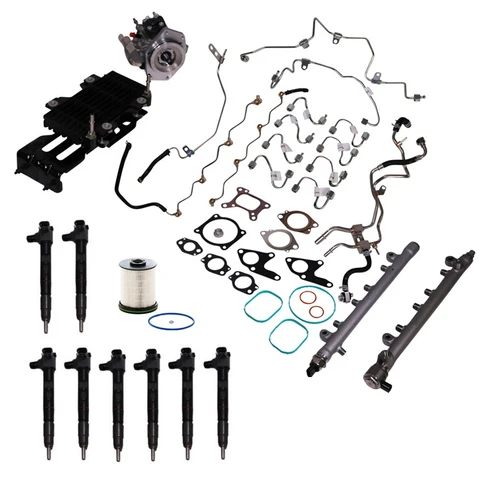
A CP4 disaster prevention kit, also called a bypass kit, is an aftermarket plumbing modification that does not prevent CP4 failure but does limit the damage when failure occurs. The original concept was developed by S&S Diesel Motorsport for the 6.7L PowerStroke and has since been copied by many other manufacturers and adapted to other platforms.
The kit works by re-routing the fuel that returns from the CP4 case. On a stock truck, case fuel from the CP4 returns directly to the low pressure side of the system, where it can carry contamination back to the tank, the fuel filter, and ultimately back through the pump again. A bypass kit interrupts that path. It splits the case fuel return into a separate line, runs it through a dedicated filter, and sends it back to the tank only after the filter has captured any debris.
The result is that when the pump starts to shed metal, the debris is caught in the bypass filter rather than recirculated into the rest of the system. The pump itself is still going to fail, but the failure becomes a pump only repair instead of a complete fuel system contamination event. The math is compelling. A typical bypass kit costs $400 to $800 installed. A pump only repair on a CP4 truck with a working bypass kit might run $3,000 to $4,000. A full fuel system replacement on the same truck without a bypass kit runs $9,000 to $15,000.
Important caveats about bypass kits:
- They do not prevent CP4 failure. They limit the damage when it occurs. The pump itself is still vulnerable.
- They do not catch every failure mode. A catastrophic seizure event with a burst case can still send debris through the high pressure side of the system before the bypass filter sees it. The bypass primarily protects against the slower wear failure pattern.
- Quality varies widely between manufacturers. Some early generation kits have been known to back feed contaminated fuel into the supply side under certain conditions. Look for current generation kits with separated supply and return paths and an inline return filter.
- They require periodic filter changes. The bypass filter element should be inspected and replaced on a schedule, typically annually.
- Bypass kits and CP3 or DCR conversions are not compatible. If you install a conversion later, the bypass kit comes off.
For owners who are not ready to commit to a full pump conversion, a bypass kit is a sensible middle ground. It protects the most expensive parts of the fuel system at a fraction of the cost of failure, and it can be installed in a few hours at a moderate labor cost. Most experienced 6.7L PowerStroke shops install bypass kits as routine preventive maintenance on customer trucks that are out of factory warranty.
13. Prevention Option 3: CP3 Conversion for LML Duramax
The most thorough CP4 prevention strategy is to remove the pump entirely and replace it with a different design. For the 2011 to 2016 LML Duramax, the most popular conversion swaps the factory CP4 for a Bosch CP3 pump, the same pump that powered the LB7, LLY, LBZ, and LMM Duramax engines from 2001 to 2010 with near perfect reliability.
The CP3 is fundamentally a more durable design. It uses a three plunger radial layout rather than the CP4 two plunger V configuration. Its internal lubrication margins are larger. It tolerates ULSD better. When it does eventually wear out, it tends to lose pressure gradually rather than shed metal. The CP3 has compiled hundreds of thousands of trouble free miles in service and has earned a reputation as one of the most reliable high pressure diesel pumps ever built.
A complete CP3 conversion kit for the LML includes the CP3 pump itself, a custom adapter to mate the CP3 to the LML engine front cover, new high pressure lines to connect the CP3 to the LML fuel rails, all required gaskets and seals, and (typically) a custom tune to recalibrate the LML engine control module for the CP3 fuel delivery curve. Some kits include the tune as part of the package and some require the tune as a separate purchase.
Cost considerations for the LML CP3 conversion:
- Parts kit (pump, adapter, lines, gaskets): typically $2,500 to $4,000 depending on the brand and whether the tune is included.
- Installation labor: 6 to 10 hours at independent shop labor rates. Expect $600 to $1,200 in labor.
- Tuning: required, since the LML ECM expects CP4 specific feedback. The tuner is included in some kits or sold separately for $500 to $900.
- Total project cost: typically $3,500 to $6,000 installed and tuned.
Compared to a $10,000 plus failure repair, the CP3 conversion is a clear win for any LML owner who plans to keep the truck for the long term. The conversion can be performed before failure occurs, at which point the only fuel system damage is whatever happened during normal CP4 operation up to that point, or after a CP4 failure as part of the contamination repair. Doing the CP3 conversion at the same time as a contamination repair adds relatively little extra cost to a job that has to be done anyway.
The same logic applies to the 2019 to 2020 6.7L Cummins, where a CP3 conversion is also available and widely used. Cummins owners have an additional advantage in that the CP3 was the factory pump on the 6.7L Cummins through 2018 and again from 2021 onward, so the conversion is essentially returning the truck to known good factory specification. The 6.7L Cummins CP3 conversion is sometimes the easiest of all the CP4 platforms to perform because of the existing factory CP3 plumbing on adjacent model years.
14. Prevention Option 4: DCR Conversion for 6.7 PowerStroke
The 6.7L PowerStroke is harder to convert than the LML or 6.7L Cummins because of how the pump fits into the engine valley. The PowerStroke uses a V8 with the high pressure pump nestled deep between the heads in a tight space. There is no room for a Bosch CP3 in that space without major modifications. For years, this meant 6.7L PowerStroke owners had no good conversion option and had to choose between additives, bypass kits, or accepting the failure risk.
That changed with the introduction of the Stanadyne DCR pump as a CP4 replacement, developed jointly by S&S Diesel Motorsport and PurePower (Stanadyne’s aftermarket division). DCR stands for Diesel Common Rail. The pump is based on a Stanadyne design that has been in production for over 20 years in other applications and has compiled an excellent reliability record in those uses.
The DCR design avoids the specific weaknesses of the CP4 in several ways:
- It uses an eccentric drive system, similar in concept to the CP3, rather than the cam and roller follower design that creates the metal on metal contact risk in the CP4.
- A floating eccentric ring with DLC coated plungers allows smooth motion without high speed cam contact.
- Pressure lubricated bushings on the cam and main bearings provide forced lubrication rather than relying solely on fuel splash.
- The pump matches the CP4 output curve closely enough that no engine ECM tuning or recalibration is required, which is a critical practical advantage over the CP3 swap.
- It can deliver up to 1,250 mm3 per revolution at maximum, roughly 25 percent more flow than the CP4, providing headroom for worn injectors with elevated return rates.
- The pump physically fits in the same valley location as the CP4 with included custom hard lines and braided hoses.
The DCR conversion is a true direct replacement. There is no tune required, no software change required, and the truck remains emissions compliant. CARB executive order coverage means the conversion is street legal in California and any state that follows California emissions law. The conversion fits all 2011 through current 6.7L PowerStroke trucks with a single part number, and S&S maintains a 2 year warranty on the components.
Cost considerations for the DCR conversion:
- Conversion kit: typically $2,400 to $2,800 from major retailers.
- Installation labor: 8 to 10 hours at independent shop rates. Expect $800 to $1,400 in labor on a Super Duty.
- No tuning cost: a major savings compared to the CP3 conversions on other platforms.
- Total project cost: typically $3,200 to $4,500 installed.
For a 6.7L PowerStroke owner who plans to keep the truck for several more years and is out of factory warranty, the DCR conversion is the most thorough protection available. Like the CP3 conversion on the LML, it can be done before failure as a preventive measure or as part of a contamination repair after failure. Doing it during a contamination repair makes particular sense because the high pressure lines and rails are coming off anyway.
A note about disaster prevention kits and conversions: an existing bypass kit must be removed before installing a DCR conversion because the metering valve and fuel return architecture are different. The two solutions are not stackable.
15. Lift Pump Upgrades and Their Role in Pump Longevity
A factor in CP4 longevity that gets less attention than additives or conversions is the supply side of the fuel system. The CP4 cannot perform well, or last long, if the fuel reaching it is at the wrong pressure, contains air, or contains water. The factory supply side configuration varies by platform:
- LML Duramax (2011-2016): no electric lift pump from the factory. The CP4 has a built in low pressure transfer pump section that pulls fuel directly from the tank. This is one of the more vulnerable factory configurations because any air or starvation event hits the CP4 directly.
- 6.7L PowerStroke (2011-current): factory electric lift pump in the fuel filter housing area. The CP4 sees pressurized fuel supply at all times, which reduces the risk of air and starvation related wear.
- 6.7L Cummins (2019-2020): factory electric lift pump. Similar configuration to the PowerStroke.
- L5P Duramax (2017-current): factory in tank electric lift pump (introduced specifically because of CP4 era lessons). The most robust factory supply side of any CP4 era platform, even though the L5P does not even have a CP4.
Aftermarket lift pump upgrades, often called fuel system upgrades, are widely available for all of these platforms. The most popular brands include FASS, AirDog, and Fleece, and the systems range from simple replacement lift pumps to complete fuel filtration and air separation systems. Higher and more consistent supply pressure reduces strain on the CP4. Better filtration on the supply side keeps water and contaminants away from the pump. Air separation features remove dissolved and entrained air from the fuel.
For the LML Duramax in particular, an aftermarket lift pump system is widely considered one of the best preventive measures available short of a CP3 conversion. Many shops install lift pump systems as standard practice on LML trucks that come in for any service, especially towing or work trucks. The cost typically runs $800 to $1,500 for parts plus 4 to 6 hours of installation labor. For the 6.7L PowerStroke, the factory lift pump is generally adequate for stock applications but aftermarket systems become more compelling on tuned trucks, towing trucks, or trucks that see harsh fuel quality.
16. Bostech Solutions for CP4 Era Trucks
Bostech specializes in remanufactured diesel engine components and offers complete fuel system contamination kits for the platforms most affected by CP4 failure. The kits are designed for the post failure repair scenario, where the entire high pressure fuel system needs to be replaced because of CP4 contamination, DEF contamination, or water in fuel. Each kit bundles the matching components together so the repair gets done correctly the first time, with one warranty source covering the whole job.
Bostech parts most relevant to CP4 era diesel owners include the following:
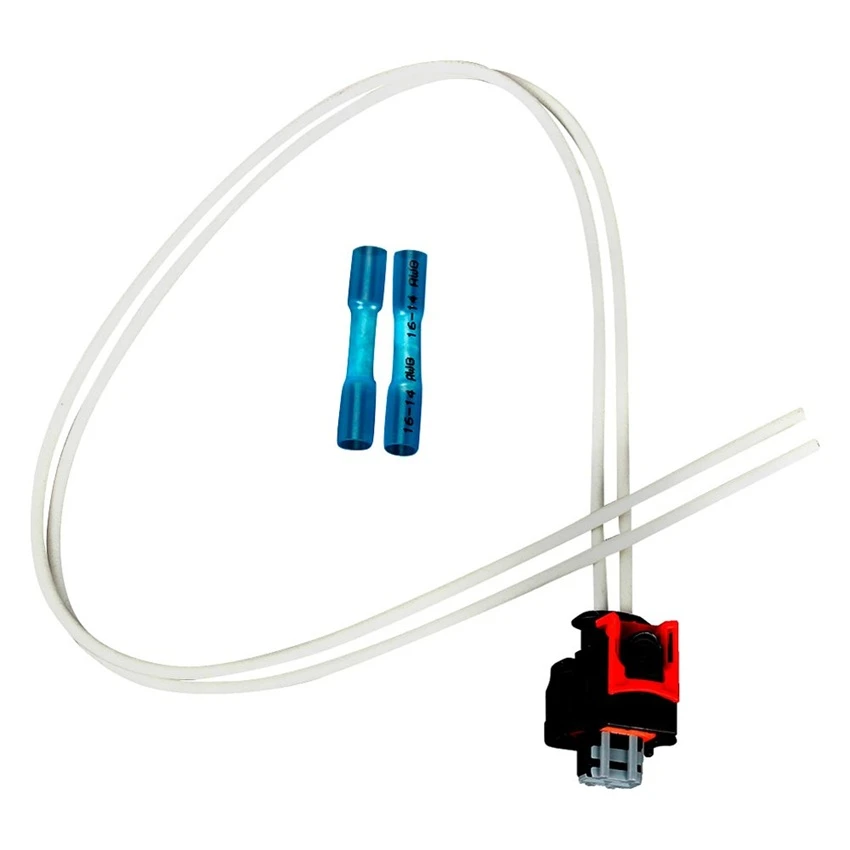
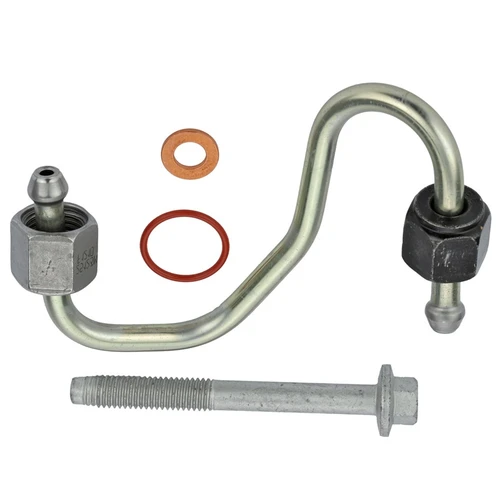
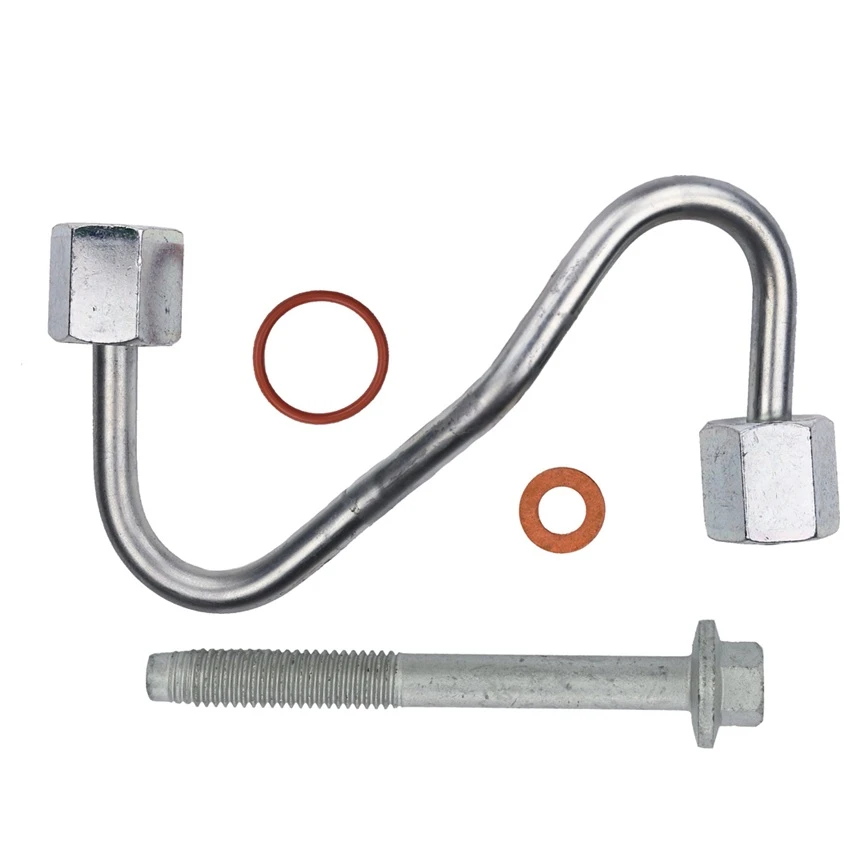
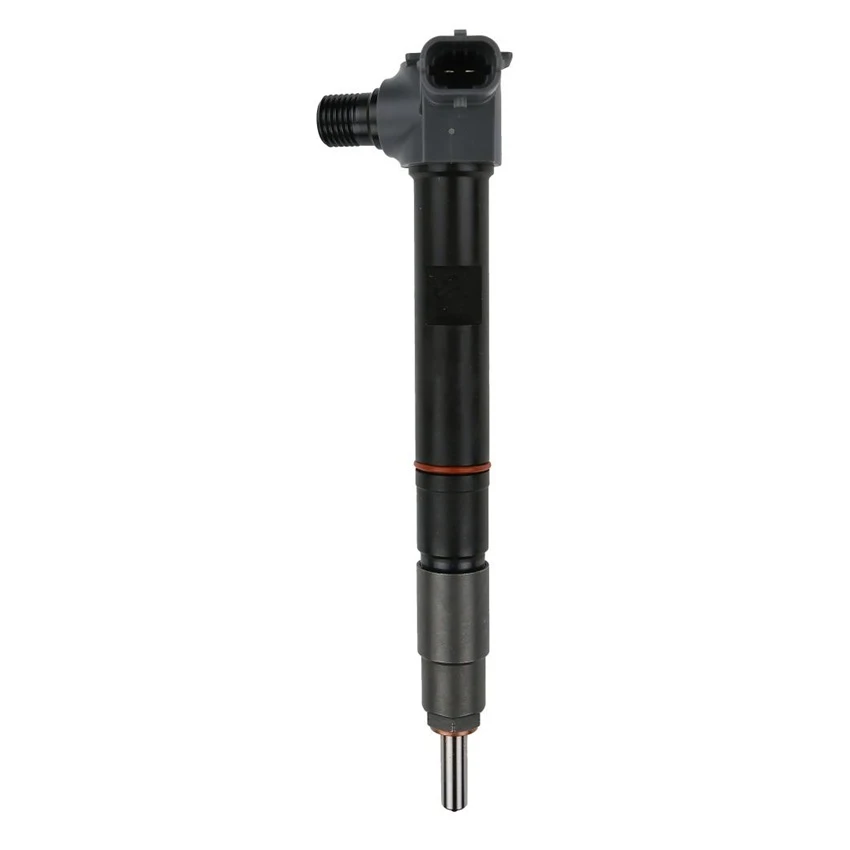
- Bostech DEK016616 GM 6.6L Duramax LML Bosch Reman Fuel Contamination Kit (2011-2016): a complete repair kit including a Bosch reman CP4 pump, both fuel rails (with pressure regulator and sensor on the driver side), eight reman Bosch injectors, the regulated return line, all rail to injector lines, the rail to rail line, and both pump to rail lines. Backed by a 24-month unlimited mileage warranty.
- Bostech DE6301116NP GM 6.6L Duramax LML Fuel Contamination Kit (2011-2016, no pump): the same complete kit minus the CP4, for buyers who are sourcing the pump separately or doing a CP3 conversion at the same time as the contamination repair.
- Bostech DEK026722 Ford 6.7L PowerStroke Bosch Reman Fuel Contamination Kit (2020-2022): full system kit with new Bosch fuel rails, 8 reman Bosch injectors with hold down bolts and lines, fuel cooler, return lines, and pump to rail lines. 24-month unlimited mileage warranty.
- Bostech DE630222NP Ford 6.7L PowerStroke Fuel Contamination Kit (2020-2022, no pump): the matching no-pump version for buyers using a DCR conversion or sourcing the pump separately.
- Bostech DE6302216NP Ford 6.7L PowerStroke Fuel Contamination Kit without Pump (2015-2016): the equivalent for the second-generation 6.7L PowerStroke.
- Bostech DE6301169 GM 6.6L Duramax LMM Fuel Contamination Kit with Pump (2007-2010): the kit for the older CP3 era LMM trucks, included here because LMM owners sometimes need full fuel system replacements after water or DEF contamination events.
- Bostech ISK124 Injector Seal Kit for 2007-2010 GM 6.6L Duramax LMM: the seal kit needed when removing or installing injectors during fuel system service.
Bostech also offers individual reman injectors, fuel rails, CP3 pumps for older Duramax trucks, and a wide range of supporting fuel system components beyond the contamination kits listed here. The advantage of ordering a kit rather than piecing the parts together individually is significant on a repair this complex. The kit guarantees that all the parts match, that no critical small piece is forgotten, and that one warranty source covers the entire repair if anything goes wrong. Piecemeal sourcing on a fuel system contamination job is the most common reason for repeat failures, where a missing seal or mismatched line causes a leak or contamination event on the fresh repair.
For pricing, fitment confirmation by VIN, or to place an order, contact Bostech at 1-800-868-0057, by email at customerservice@bostechauto.com, or visit bostechauto.com to browse the full fuel contamination kit catalog.
Frequently Asked Questions
If you own a 2011 or newer 6.7L PowerStroke (any model year through current), a 2011 to 2016 LML or LGH Duramax, a 2019 or 2020 Ram with the 6.7L Cummins, a 2014 to 2023 Ram or Jeep with the 3.0L EcoDiesel, a 2018 to 2021 Ford F-150 with the 3.0L PowerStroke, or a 2016 to 2019 Nissan Titan XD with the 5.0L Cummins V8, you have a CP4. If you own a 2017 or newer L5P Duramax, you have a Denso HP4, not a CP4. If you own a 2007.5 to 2018 6.7L Cummins or a 2021 and newer 6.7L Cummins, you have a CP3, not a CP4.
CP4 pump life is highly variable. Some pumps fail before 50,000 miles. Others last past 200,000 miles with no issues. The most common failure window is between 70,000 and 150,000 miles. Variables that affect life include fuel quality, additive use, water contamination history, idle time, towing duty, and (especially on the LML) lift pump configuration. There is no reliable way to predict when a specific pump will fail, which is why prevention is more cost effective than waiting.
No. A quality lubricity additive used consistently can reduce the rate of internal CP4 wear and statistically extend pump life, but no additive can fully overcome the design vulnerability. Owners who want guaranteed protection need to either install a disaster prevention kit or convert to a different pump entirely. Additives are best understood as risk reduction, not risk elimination.
It means the CP4 pump is actively shedding metal internally. The pump may still be making rail pressure and the truck may still be drivable, but the contamination cascade is in progress. Every additional mile driven sends more debris into the high pressure side of the system. The single most important action at this point is to stop driving the truck and have it towed to a shop for full diagnosis. Continuing to drive after metal appears typically doubles or triples the eventual repair cost.
Only if there is no contamination present. If the fuel pressure regulator screen and fuel filter are clean and there is no metal evidence, replacing the pump alone is reasonable. If any debris is found anywhere in the system, replacing only the pump is a near guarantee of repeat failure within a few thousand miles as residual debris destroys the new pump and any new components installed alongside it. The only correct repair on a contaminated system is full replacement of the pump, both rails, all injectors, all high pressure lines, the fuel filter, and a thorough flush of the supply side.
For owners who plan to keep their CP4 era truck for several more years, yes. Doing the conversion before failure costs $3,000 to $5,000 and protects the existing fuel system. Doing it after failure as part of a contamination repair adds relatively little extra cost to a job that has to be done anyway. Doing it after failure on a fresh repair done with a new CP4 means paying for the full repair and then paying for the conversion later when the new CP4 also fails. The conversion is most economical when done either preventively or at the time of contamination repair.
The Denso HP4 on the 2017 and newer L5P Duramax has a substantially better track record than the CP4 it replaced. There is no widespread catastrophic failure pattern. The factory configuration with an in tank lift pump and inlet filter screen addresses the design weaknesses of the CP4 era setup. That said, no pump is perfect. L5P owners should still change fuel filters on schedule, drain water separators when prompted, use lubricity additives in regions with poor fuel quality, and inspect filters for any abnormality at every change. The risk is much lower than on a CP4 platform but it is not zero.
Ram has issued various warranty extensions and customer satisfaction programs related to the 2019 and 2020 6.7L Cummins CP4 pumps. Coverage details have changed over time and depend on VIN, mileage, and specific build. Always check warranty status at a Ram dealer before paying out of pocket on these specific model years. The 2021 and newer 6.7L Cummins reverted to the CP3 and is not affected.
Yes, and this is one of the most preventable failure modes. Diesel exhaust fluid is a urea solution that is corrosive to fuel system components. Accidentally putting DEF in the diesel fuel tank, even a small amount, will rapidly destroy the CP4 along with the rest of the high pressure fuel system. The repair is identical to a CP4 mechanical failure (full system replacement) and the cost is the same. Always pay attention at the pump when adding DEF and use the dedicated DEF nozzle, which is sized differently from the diesel nozzle. If DEF contamination is suspected, do not start the engine. Tow the truck to a shop and have the entire fuel system flushed.
Bostech offers complete fuel contamination kits for the LML Duramax (2011-2016) and 6.7L PowerStroke in multiple year configurations, with both pump included and no pump versions available depending on your repair plan. The kits include reman Bosch components with a 24 month unlimited mileage warranty. Contact Bostech at 1-800-868-0057, by email at customerservice@bostechauto.com, or visit bostechauto.com to confirm fitment by VIN and place an order.
18. Disclaimer
The information in this guide is provided for educational and reference purposes only. Diesel fuel system repair involves working with high pressure fuel that can cause serious injury or property damage if handled incorrectly. Fuel under high pressure can penetrate skin and cause life threatening injury. Always follow factory service procedures, relieve high pressure fuel system pressure before opening any high pressure component, consult a qualified diesel technician for any repair beyond your skill level, and observe all applicable safety precautions. Specifications, part numbers, prices, and procedures in this article reflect general best practice as of the time of writing and may vary by build date, region, model year, or aftermarket configuration. Always verify part fitment by VIN before purchasing parts. Bostech and its affiliates are not responsible for repairs performed using this information. Emissions equipment modifications may be illegal in some jurisdictions, and CP4 conversion legality varies by state and country.