
6.4L PowerStroke Common Problems: The Complete 2008 to 2010 Owner Diagnosis and Repair Guide
Jul 31st 2026
Table of Contents
- Introduction: The Short Lived Twin Turbo PowerStroke
- The 6.4L PowerStroke Platform at a Glance
- Problem 1: EGR Cooler Failure (Two Coolers, Twice the Trouble)
- Problem 2: Radiator Leaks and Cooling System Weakness
- Problem 3: Cracked Turbo Up Pipes
- Problem 4: High Pressure Fuel Pump (HPFP) Failure
- Problem 5: Piezoelectric Injector Failure and Fuel Dilution
- Problem 6: Oil Dilution and Excessive Fuel in the Crankcase
- Problem 7: Diesel Particulate Filter (DPF) and Regeneration Trouble
- Problem 8: Cracked Pistons Under Load and Tuning
- Problem 9: Head Gasket Failure and Head Bolt Stretch
- Problem 10: Turbocharger Wear on the Compound System
- Problem 11: Water in Fuel and Contamination
- How the 6.4L Problems Connect: A System View
- Maintenance That Extends 6.4L Life
- Bostech Solutions for the 6.4L PowerStroke
- Frequently Asked Questions
- Disclaimer
Introduction: The Short Lived Twin Turbo PowerStroke
The 6.4L PowerStroke arrived in 2008 as Ford answer to tightening diesel emissions standards, replacing the troubled 6.0L PowerStroke that had damaged the reputation of the entire PowerStroke line. On paper the 6.4L was a dramatic step forward. It introduced a compound turbocharger arrangement that gave the engine strong low end response and impressive top end power, piezoelectric fuel injectors capable of multiple precise injection events per combustion cycle, and a diesel particulate filter to meet 2007 emissions requirements. For the three model years it was in production, from 2008 through 2010, the 6.4L powered the Ford Super Duty F250, F350, F450, and F550.
Yet the 6.4L is remembered today with a mix of respect and dread. Owners love the power. The engine makes excellent torque and responds well to modest tuning. At the same time, the 6.4L developed a reputation as an expensive engine to own and a genuine risk to buy used. It is sometimes described as a 150,000 mile proposition, meaning many examples need major work by that mileage. The problems are not mysterious. They are well documented and well understood. Emissions hardware, the cooling system, the fuel system, and in some cases the pistons themselves all have known weaknesses that surface as the truck accumulates miles.
This guide walks through the most common 6.4L PowerStroke problems in the order they tend to matter to an owner. For each problem it explains what fails, why it fails, what symptoms to watch for, and what a proper repair involves. The goal is to help owners and prospective buyers understand the platform honestly, so they can budget for the work the engine will eventually need and avoid the catastrophic failures that turn a manageable repair into an engine replacement. Throughout, we point to complete system repair solutions rather than piecemeal fixes, because on the 6.4L, addressing a failure properly the first time is almost always cheaper than doing it twice.
The 6.4L PowerStroke Platform at a Glance
Before diving into individual failures, it helps to understand what makes the 6.4L different from the 6.0L that preceded it and the 6.7L that followed. The 6.4L was co developed with International (Navistar) and shares its architecture with the International MaxxForce 7. Understanding the basic layout explains why certain components fail and why some repairs are so labor intensive.
Key characteristics of the 6.4L PowerStroke include:
- Displacement of 6.4 liters in a 90 degree V8 configuration with a compacted graphite iron block.
- A compound (sequential) turbocharger system using a smaller high pressure turbo and a larger low pressure turbo working together for both quick spool up and high top end airflow.
- Piezoelectric common rail fuel injectors capable of up to five injection events per combustion cycle, operating at very high pressure.
- A high pressure fuel pump that supplies the common rail, distinct from the HEUI oil driven system used on the 6.0L and 7.3L.
- Two EGR coolers rather than one, a horizontal unit and a vertical unit, both cooled by engine coolant.
- A diesel particulate filter (DPF) in the exhaust that traps soot and periodically burns it off during a regeneration cycle.
- Roughly 350 horsepower and 650 pound feet of torque from the factory, with strong response to tuning.
The move away from the HEUI injection system of the 6.0L and 7.3L is significant. The 6.4L uses a conventional high pressure common rail, which eliminates the high pressure oil pump failures that plagued earlier engines but introduces new failure points in the high pressure fuel pump and the piezoelectric injectors. Meanwhile, the addition of a DPF and a second EGR cooler added emissions complexity that becomes the source of many of the engine most frequent and expensive problems.
It is worth understanding how these systems interact, because the defining feature of 6.4L ownership is that its problems rarely stay isolated. A cooling system weakness raises operating temperature, which stresses the EGR coolers and the head gaskets. A clogged DPF forces more frequent regeneration, which dilutes the oil, which shortens the life of the turbochargers and the bottom end. A contaminated fuel filter allows debris to reach the high pressure pump, which then sheds metal into the injectors. Because of this interconnection, an owner who understands the platform holistically will make far better repair decisions than one who treats each warning light as a separate, unrelated event. The sections that follow are ordered roughly by how frequently each issue drives an owner to the shop, but nearly all of them tie back to the same handful of root causes: heat, fuel cleanliness, and oil condition.
A brief note on cost is also useful for setting expectations. The individual parts on a 6.4L are not always expensive, but the labor frequently is, because so many repairs require extensive disassembly or, in the case of the up pipes and some cooling work, lifting the cab off the frame. This labor reality is why complete system repair is the recurring theme of this guide. When the cab is already up or the engine is already open, addressing every related weakness at once spreads that heavy labor cost across a durable repair rather than paying it repeatedly for a series of partial fixes.
Problem 1: EGR Cooler Failure (Two Coolers, Twice the Trouble)
If the 6.0L PowerStroke is famous for a single failing EGR cooler, the 6.4L doubles the problem. The 6.4L uses two EGR coolers, a horizontally mounted unit above the driver side exhaust manifold and a vertically mounted unit. Both use engine coolant to reduce the temperature of exhaust gases before they are recirculated into the intake to lower combustion temperatures and reduce nitrogen oxide emissions. The horizontal cooler is typically the first to fail because it is the first unit exposed to the hottest incoming exhaust gases.
EGR coolers fail for a predictable reason. Over time, engine coolant breaks down, and without adequate filtration it carries debris and contaminants that slowly clog the narrow internal passages of the cooler core. As the passages restrict, coolant flow drops, the cooler overheats, and thermal stress eventually cracks the internal tubes. When a cooler cracks internally, coolant leaks into the exhaust stream and the intake, where it is drawn into the cylinders. The result can range from white smoke and coolant loss to catastrophic hydrolock if enough coolant enters a cylinder while the engine is off.
Symptoms of a failing EGR cooler on the 6.4L include:
- White smoke from the exhaust, especially a sweet smelling coolant vapor.
- Unexplained coolant loss with no visible external leak.
- Overheating or elevated coolant temperature, particularly under load.
- Bubbles or pressure in the coolant degas bottle.
- Coolant boiling or being pushed out of the overflow tank after a hard pull or hot shutdown.
Diagnosing an EGR cooler failure on the 6.4L can be tricky because its symptoms overlap with head gasket failure. Both cause coolant loss, white smoke, and cooling system pressure. A technician typically works to isolate the source by pressure testing the cooling system, inspecting the intake and exhaust for coolant intrusion, performing a combustion gas test on the coolant, and evaluating whether coolant is being consumed through the EGR path or through a compromised head gasket. Getting this diagnosis right matters, because the repair scope and cost differ dramatically between the two. Misdiagnosing a failing EGR cooler as a head gasket, or the reverse, wastes both parts and the substantial labor involved.
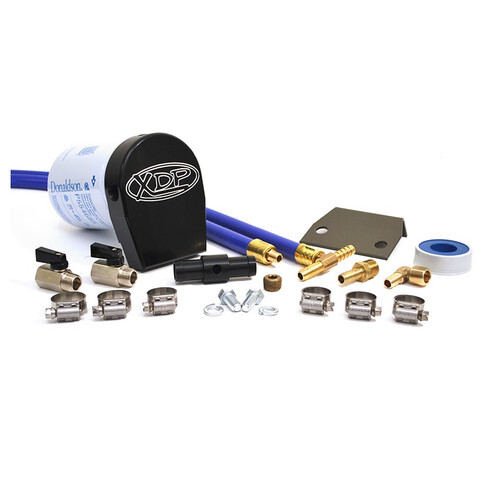
Because the 6.4L has two coolers, a proper repair usually means addressing both while the engine is open, since replacing only one leaves the second aging unit ready to fail next. Many owners choose upgraded stainless steel replacement coolers that resist the clogging and cracking of the factory units. Just as important is installing a coolant filtration system and flushing the cooling system with quality coolant on schedule, because coolant breakdown is the root cause that filtration directly addresses. Replacing coolers without fixing the coolant condition simply resets the clock on the same failure.
The lesson many 6.4L owners learn the hard way is that the EGR coolers are not really the disease. They are the symptom of coolant that was allowed to degrade. An owner who replaces both coolers with durable stainless units, installs a coolant filtration system, and commits to regular coolant service is addressing the actual root cause. An owner who simply swaps a cracked cooler and puts the old coolant back is likely to be doing the same job again within a few tens of thousands of miles.
Problem 2: Radiator Leaks and Cooling System Weakness
The 6.4L cooling system is under constant stress, and the radiator is a known weak point. The factory radiator is prone to developing leaks, often at the plastic end tanks or at the seams where the tanks meet the core. Combined with the twin EGR coolers, the water pump, and a large cooling demand from the compound turbo system, the 6.4L asks a great deal of its cooling system, and any weakness in one component tends to cascade into others.
A leaking radiator causes gradual coolant loss, which raises operating temperatures and accelerates EGR cooler failure and, in severe cases, contributes to head gasket problems. Because so many 6.4L failures trace back to overheating and coolant loss, keeping the cooling system healthy is one of the single most valuable things an owner can do to extend engine life.
Cooling system attention points on the 6.4L include:
- Inspect the radiator regularly for weeping at the end tanks and seams.
- Watch for a slow drop in coolant level over weeks, which often signals a small radiator leak before it becomes visible.
- Replace a marginal radiator proactively rather than waiting for a roadside failure under load.
- Verify the water pump is moving coolant properly, since a weak or failing pump compounds every other cooling issue.
- Use a coolant filtration system to keep debris out of the radiator and the EGR coolers alike.
It is worth emphasizing how central cooling health is to the overall reliability of this engine. On many diesels the radiator is a routine wear item that fails gracefully and is replaced without drama. On the 6.4L, because the EGR coolers and head gaskets are so sensitive to elevated temperature, a neglected cooling system does not just risk a roadside breakdown. It actively shortens the life of far more expensive components. This is why experienced 6.4L owners treat the cooling system as a first tier maintenance priority rather than an afterthought, and why proactive radiator replacement at the first sign of weeping is considered cheap insurance rather than premature spending.
The water pump deserves specific attention as well. A pump that is beginning to fail may still move some coolant, masking its condition, while quietly allowing hot spots to develop. Because the cooling system on the 6.4L is already working hard to manage the twin EGR coolers and the compound turbo system, any reduction in coolant flow has an outsized effect. When performing significant cooling system work, evaluating the water pump and replacing it if there is any doubt avoids revisiting the job later and protects the rest of the system.
Problem 3: Cracked Turbo Up Pipes
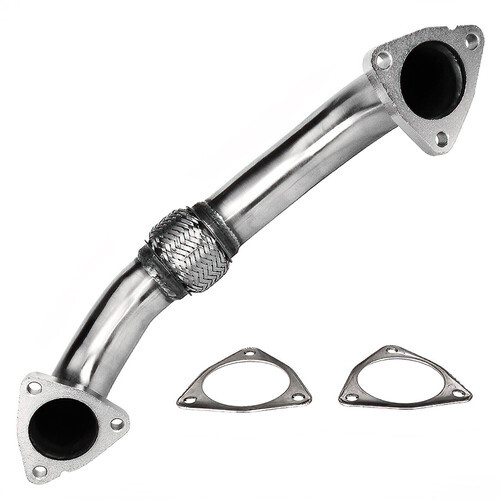
Cracked up pipes are one of the most common and most frustrating 6.4L problems. The up pipes carry exhaust gas from the exhaust manifolds up to the turbochargers. On the 6.4L they typically crack at the bellows, the flexible expansion joints designed to absorb thermal movement. Constant heat cycling fatigues the metal until the bellows split.
When an up pipe cracks, exhaust pressure escapes before it reaches the turbos. The immediate consequences are a loss of drive pressure, a drop in boost, and noticeably poor drivability. Owners often notice an audible whistle or hiss under the cab, along with soot deposits appearing in odd places like the firewall and the transmission tunnel where escaping exhaust blows carbon around the engine bay.
Signs of cracked up pipes include:
- A distinctive hissing or whistling sound from the engine bay, often loudest under acceleration.
- Loss of power and a drop in boost pressure.
- Soot deposits on the firewall, transmission tunnel, or other surfaces near the exhaust.
- Poor throttle response and sluggish acceleration.
The only real fix for cracked up pipes is replacement, and this is where the job becomes involved. Accessing the up pipes on the 6.4L generally requires lifting the cab off the frame, which turns a relatively inexpensive part into a labor intensive repair. Because of that access cost, it is wise to replace the up pipes with high quality units, often ones that use improved bellows designs for greater durability, so the job does not have to be repeated. Battling seized up pipe bolts is a near certainty during this repair and should be planned for.
Because the cab has to come up to reach the up pipes, this repair is one of the best opportunities on the entire engine to address other issues at the same time. With the cab lifted, many of the components that are otherwise buried become accessible. A thoughtful owner will use this window to inspect and, if warranted, service the EGR system, the turbochargers, and other hard to reach items rather than paying the same heavy labor again later. This is complete system repair in its most literal form: doing the expensive access work once and addressing everything it exposes.
Problem 4: High Pressure Fuel Pump (HPFP) Failure
The high pressure fuel pump on the 6.4L supplies the common rail with the extreme pressure needed to operate the piezoelectric injectors. When this pump fails, it can do so catastrophically. A failing HPFP can send metal debris downstream through the entire fuel system, contaminating the rail, the lines, and every injector. When that happens, the repair is no longer just a pump. It becomes a complete fuel system cleanout and replacement, which is one of the most expensive repairs the 6.4L can require.
HPFP failure is often linked to fuel quality and lubricity. Modern ultra low sulfur diesel provides less lubrication than older fuel, and the high pressure pump depends on the fuel itself for lubrication of its internal components. Water contamination and poor fuel filtration accelerate wear. When internal components wear and shed metal, that debris circulates and destroys the precision surfaces of the injectors.
Warning signs of HPFP trouble include:
- Hard starting or extended cranking before the engine catches.
- Loss of power or a sudden no start condition.
- Fuel system pressure codes stored in the powertrain control module.
- Metallic debris found in the fuel filter during service.
The pattern of a high pressure pump self destructing and contaminating the fuel system will be familiar to anyone who has followed the CP4 pump failures on later diesels. The underlying mechanism is the same: a precision high pressure pump depends on the fuel for lubrication, modern ultra low sulfur diesel offers less lubricity than fuel of previous decades, and when internal components begin to wear they shed hard metal debris that circulates through the system and destroys everything downstream. The takeaway for a 6.4L owner is that fuel quality and filtration are not optional maintenance. They are the primary defense protecting a very expensive fuel system.
Because a failed HPFP can contaminate the whole fuel system, prevention is far cheaper than the cure. Keeping fuel clean and dry through disciplined filter changes and prompt attention to the water separator is the single best defense. When a pump does fail with metal contamination, a proper repair means replacing the pump, flushing or replacing the rail and lines, and replacing affected injectors, because leaving contaminated components in place guarantees a repeat failure. This is why a fuel system failure on the 6.4L is quoted as a large repair rather than a simple pump swap. The contamination spreads, and a partial repair that reuses contaminated components simply re seeds the failure into the new pump.
Problem 5: Piezoelectric Injector Failure and Fuel Dilution
The 6.4L uses piezoelectric fuel injectors, an advanced design that relies on piezoelectric crystals that change shape when an electric current passes through them. This shape change moves a valve that controls fuel flow with extreme speed and precision, allowing up to five injection events per combustion cycle. The precision is impressive, but the tight tolerances mean these injectors do not tolerate contaminants, and they have a known tendency to fail as the engine ages.
When a 6.4L injector fails, it often leaks fuel internally. Excess fuel entering a cylinder while the engine is running can cause that cylinder to overheat from over fueling and pre ignition, which in the worst cases leads to a cracked or melted piston and catastrophic engine failure. Excess fuel entering the cylinder while the engine is off can cause hydrolock and bend connecting rods. What makes this especially dangerous on the 6.4L is that significant engine damage has frequently resulted from leaking injectors without any warning light illuminating at all.
Because of this, owners should treat the following symptoms as urgent:
- Rough idle or a noticeable miss, especially when cold.
- Hard starting or extended cranking.
- A drop in fuel economy or a fuel smell in the oil.
- Rising oil level on the dipstick, which signals fuel diluting the crankcase.
- Any serious misfire or performance issue, which warrants stopping the truck rather than continuing to drive.
Diagnosing 6.4L injectors involves both scan tool data and physical testing. A technician can review injector performance data, look for cylinder contribution imbalance, and evaluate fuel rail pressure behavior, but because a failing injector may not set a code, physical inspection matters. Checking the oil for fuel dilution, evaluating cylinder compression and contribution, and in some cases performing a leak down or buzz test helps confirm which injectors are compromised. The absence of a check engine light should never be taken as evidence that the injectors are healthy on this engine, because the most damaging failures have historically occurred silently.
The critical takeaway is that a leaking injector on the 6.4L is not something to drive on. If a serious misfire or performance problem appears, the safest course is to stop and have the truck towed to a qualified shop, because a tow bill is far cheaper than an engine replacement. When injectors are replaced, they should be replaced with fully remanufactured units built to proper specifications, and it is common to replace them as a complete set since a single failure often signals that the others are aging on the same timeline.
Quality matters enormously with 6.4L injectors. A properly remanufactured injector is fully disassembled, has each component inspected and measured, has worn parts replaced, is reassembled with new o rings and seals, and is tested to confirm it meets performance specifications before it ships. A cut rate injector that has merely been cleaned and repainted rather than truly remanufactured is a false economy on this engine, because an injector that under performs or leaks can, as described above, lead to catastrophic and expensive engine damage. The small savings on a poorly remanufactured injector is not worth the risk it introduces.
Problem 6: Oil Dilution and Excessive Fuel in the Crankcase
Oil dilution is one of the defining problems of the 6.4L and is closely tied to the DPF and the regeneration process. To burn soot out of the diesel particulate filter, the engine injects additional fuel late in the combustion cycle to raise exhaust temperatures. On the 6.4L, some of this late cycle fuel washes past the piston rings and ends up in the crankcase, diluting the engine oil. Trucks driven on frequent short trips, where regeneration cycles are interrupted before completion, suffer the worst dilution because the engine repeatedly attempts to regenerate without finishing.
Diluted oil loses its ability to protect the engine. As fuel thins the oil, the oil film that protects bearings, the cylinder walls, and the turbocharger weakens. Severe dilution can rise the oil level well above the full mark on the dipstick, and left unchecked it accelerates wear throughout the engine. Leaking injectors compound the problem by adding even more fuel to the crankcase.
Managing oil dilution on the 6.4L involves:
- Avoiding frequent very short trips that never allow a regeneration to complete.
- Allowing regeneration cycles to finish rather than shutting the engine down mid cycle.
- Checking the oil level and condition frequently and watching for a rising level or a fuel smell.
- Changing oil on a strict schedule, and more often under short trip or heavy idle duty.
- Addressing any leaking injector promptly, since injector leakage adds directly to crankcase fuel.
Oil dilution deserves special emphasis because it is both common and quietly destructive. Unlike a cracked up pipe that announces itself with an audible hiss, dilution builds gradually and invisibly until an owner notices the oil level climbing on the dipstick or catches the smell of diesel in the oil. By the time the level has risen noticeably, the diluted oil has already been circulating through the engine, providing less protection than it should to the bearings, cylinder walls, and turbocharger bearings. This is why frequent oil level and condition checks are not busywork on the 6.4L. They are an early warning system for a problem that does its damage silently.
The interaction between driving pattern and dilution is the key insight. A 6.4L used primarily for long highway trips regenerates its DPF passively much of the time and injects far less extra fuel, so it dilutes its oil slowly. A 6.4L used for constant short trips forces the controller into repeated active regeneration attempts, each injecting fuel that ends up in the crankcase, and often the trips end before regeneration finishes, so the cycle repeats endlessly. Two identical trucks with identical maintenance can therefore have very different reliability outcomes based purely on how they are driven. Owners whose duty cycle is unavoidably short trip heavy should compensate with more frequent oil changes and extra vigilance about oil condition.
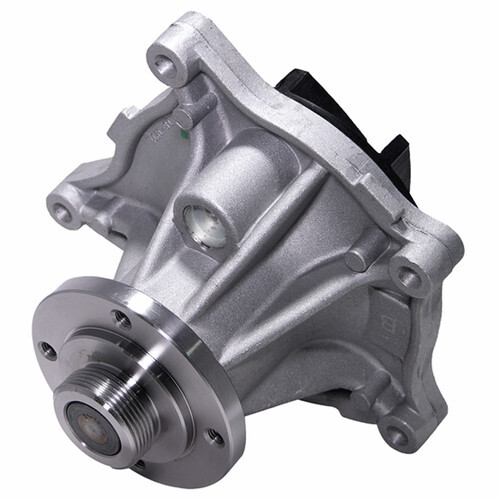
Problem 7: Diesel Particulate Filter (DPF) and Regeneration Trouble
The diesel particulate filter traps soot from the exhaust and periodically burns it off in a regeneration cycle. On the 6.4L, the DPF and its regeneration strategy are the source of several interlocking problems. The DPF can clog over time, especially on trucks used for short trips or heavy idling where the exhaust rarely reaches the temperature needed for a clean burn. A clogged DPF raises exhaust backpressure, hurts fuel economy, and forces more frequent regeneration, which in turn worsens oil dilution.
The regeneration process itself is the mechanism behind the fuel dilution described above, so DPF health and oil health are directly connected on this engine. Persistent DPF problems on the 6.4L continued even after Ford issued software updates, and they remain a defining characteristic of the platform.
Good DPF practice on the 6.4L includes:
- Driving the truck on longer trips regularly so the exhaust reaches regeneration temperature and completes a clean burn.
- Letting regeneration cycles finish once they begin rather than interrupting them.
- Monitoring DPF status, exhaust gas temperature, and backpressure with a capable scan tool.
- Addressing upstream problems like leaking injectors and EGR issues that increase soot loading.
- Keeping fuel clean, since contaminated fuel increases soot production and accelerates DPF loading.
Understanding the two types of regeneration helps an owner manage the system. Passive regeneration happens naturally during sustained highway driving, when exhaust temperatures are high enough to burn off accumulated soot without any special intervention. Active regeneration is initiated by the engine controller when soot loading reaches a threshold, and it works by injecting additional fuel to raise exhaust temperatures deliberately. It is active regeneration, and specifically the extra fuel it injects, that drives the oil dilution problem. A truck that gets enough highway driving to regenerate passively places far less demand on active regeneration and therefore suffers far less dilution. This is the mechanical reason short trip 6.4L trucks fare so much worse than highway driven examples.
When the DPF becomes heavily loaded or plugged, the consequences ripple outward. Backpressure rises, fuel economy falls, and the controller commands more frequent active regeneration, which accelerates oil dilution and can leave the truck in a cycle of constant regeneration attempts. Severe cases may trigger a limp mode to protect the engine. Because DPF loading is worsened by upstream problems, a plugged DPF should prompt a look further up the system at injector condition, EGR function, and general engine health rather than being treated as an isolated exhaust component.
Problem 8: Cracked Pistons Under Load and Tuning
The factory pistons in the 6.4L have a relatively weak crown design and can crack or, in severe cases, melt under heavy load or aggressive tuning. This is a serious failure, because a cracked or melted piston generally requires a complete teardown and rebuild of the engine. The risk rises sharply on modified trucks, particularly those pushing high horsepower without first strengthening the internal components.
Piston damage on the 6.4L is often the end result of another problem rather than a standalone failure. A leaking injector that over fuels a cylinder, or excessive timing and boost from aggressive tuning, raises cylinder pressure and temperature beyond what the factory piston can handle. This is why addressing injector problems promptly and keeping tuning conservative on an otherwise stock engine matters so much. The piston is frequently the component that pays the price for an unaddressed upstream fault.
To protect 6.4L pistons:
- Keep tuning conservative on an engine with stock internals, avoiding aggressive timing and boost.
- Address any leaking or failing injector immediately, since over fueling a cylinder is a common path to piston damage.
- For high horsepower builds, upgrade to forged pistons and stronger connecting rods before increasing power.
- Monitor exhaust gas temperature and avoid sustained high EGT operation.
Problem 9: Head Gasket Failure and Head Bolt Stretch
Head gasket failure occurs less frequently on the 6.4L than it did on the notorious 6.0L, but it still happens, and it remains an expensive repair. The factory head bolts are considered marginally adequate at best. Under the elevated cylinder pressures produced by heavy towing or, more commonly, by aggressive tuning, the head bolts can stretch and allow the heads to lift slightly, breaching the head gasket seal. Overheating from cooling system problems accelerates the failure.
Modified engines exceeding roughly 600 rear wheel horsepower face a markedly higher risk, but even stock engines occasionally blow a head gasket, particularly if they have suffered chronic overheating. Symptoms overlap with EGR cooler failure and include coolant loss, white smoke, coolant in unexpected places, and pressure in the cooling system.
When repairing 6.4L head gaskets, best practice includes:
- Upgrading to head studs rather than reusing the marginal factory head bolts.
- Having the heads inspected, resurfaced, and checked for cracks at a machine shop.
- Using quality head gaskets rather than the cheapest available option.
- Correcting the underlying cause, whether that is a cooling system problem or overly aggressive tuning.
- Addressing cooling system weaknesses at the same time so the new gaskets are not exposed to the same overheating.
A head gasket job on the 6.4L is a major undertaking, and like the up pipe replacement it opens up access to components that are otherwise buried. This makes it another natural moment to apply the complete system repair philosophy. With the heads off, an owner is well positioned to address injector cups, glow plugs, and other items that are far more accessible during this job than they will ever be otherwise. Paying the heavy labor once and addressing everything it exposes is almost always more economical than repeating disassembly for a series of smaller repairs.
It is also important to be honest about cause and effect. A 6.4L that has blown a head gasket rarely did so at random. Most often there was a contributing factor, whether chronic overheating from a neglected cooling system or excessive cylinder pressure from aggressive tuning. Repairing the gasket without correcting that underlying cause invites a repeat of one of the most labor intensive repairs the engine can require. This is why a proper head gasket repair on the 6.4L is really a two part job: restore the seal with upgraded studs and quality gaskets, and eliminate the condition that breached the seal in the first place.
Problem 10: Turbocharger Wear on the Compound System
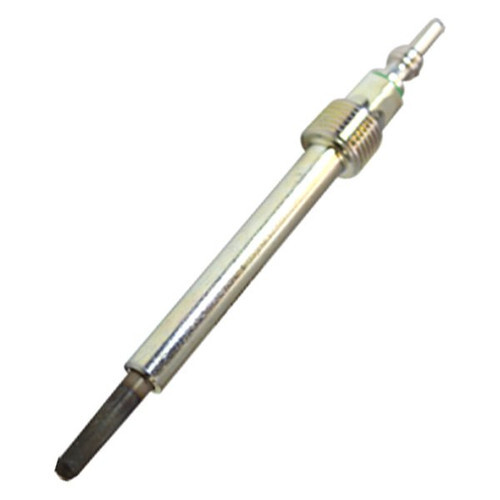
The 6.4L uses a compound turbocharger system with a smaller high pressure turbo and a larger low pressure turbo working in sequence. This arrangement gives the engine its strong power delivery, but it also means there are two turbochargers that can wear, along with the variable geometry mechanism of the high pressure unit. Turbo wear on the 6.4L tends to appear as the truck accumulates miles, and it is often accelerated by oil dilution, which weakens the oil film that lubricates the turbo bearings.
Because the turbochargers depend on clean, properly viscous oil, the oil dilution problem discussed earlier directly shortens turbo life. This is another example of how the 6.4L problems interconnect. A neglected DPF leads to oil dilution, which shortens turbo life, which reduces boost, which can trigger further driveability issues. Keeping the oil healthy protects the turbochargers as much as it protects the bottom end.
Signs of turbocharger wear on the 6.4L include:
- A drop in boost pressure and sluggish acceleration.
- Unusual whistling, whining, or grinding noises from the turbo area.
- Excessive exhaust smoke, which can indicate oil passing turbo seals.
- Increased oil consumption.
The compound arrangement adds nuance to turbo diagnosis. Because the small high pressure turbo and the large low pressure turbo work in sequence, a problem in one can be mistaken for a problem in the other, and boost control issues can stem from the variable geometry mechanism of the high pressure unit rather than from a worn bearing. A proper diagnosis evaluates the whole system, including the actuator and control components, rather than assuming that low boost automatically means a failed turbo. The up pipes discussed earlier are also part of this picture, since a cracked up pipe robs the turbos of drive pressure and can mimic a turbo problem while the turbochargers themselves are perfectly healthy.
The most important preventive measure for turbo longevity circles back to oil. The turbochargers rely on a film of clean, properly viscous oil for both lubrication and cooling of their bearings. Fuel diluted oil is thinner and less protective, and it is the single biggest avoidable threat to turbo life on this engine. An owner who keeps the oil fresh and undiluted, by managing the DPF and injectors and changing oil on a disciplined schedule, is protecting the turbochargers just as directly as if they were servicing the turbos themselves.
Problem 11: Water in Fuel and Contamination
The 6.4L fuel system, with its high pressure pump and precision piezoelectric injectors, is highly sensitive to water and debris in the fuel. The truck uses a water separator along the driver side frame rail with a drain that must be maintained. A neglected or clogged separator drain will eventually allow water to pass through and enter the fuel system, where it attacks the high pressure pump and the injectors.
Because both the HPFP and the injectors can be destroyed by contamination, and because destroying them can lead to whole system contamination, fuel cleanliness is a central part of 6.4L ownership. Water intrusion is one of the most preventable causes of expensive fuel system failure on this engine.
Fuel system protection on the 6.4L includes:
- Draining the water separator on schedule and keeping the drain clear.
- Changing fuel filters at proper intervals with quality filters.
- Sourcing fuel from reputable stations to reduce the risk of contaminated fuel.
- Addressing any sign of water in fuel immediately before it reaches the pump and injectors.
- Considering an additional fuel filtration or water separation upgrade for added protection.
How the 6.4L Problems Connect: A System View
One of the most useful things a 6.4L owner can internalize is that the eleven problems above are not eleven independent risks. They form a connected web, and understanding that web is the key to both diagnosis and prevention. A failure in one system very often shows up first as a symptom in another, which is why a scattershot approach to repair tends to be so frustrating and expensive on this platform.
Consider a common cascade. The cooling system develops a small radiator leak that goes unnoticed. Operating temperatures creep up. The higher temperature accelerates the degradation of the coolant, which speeds the clogging of the EGR coolers. A cooler eventually cracks, dumping coolant into the intake, which looks alarmingly like a head gasket failure. Meanwhile, the same chronic overheating has been stressing the head gaskets and marginal head bolts the entire time. What began as an eighty dollar radiator has now put three or four expensive systems at risk. The owner who understood the connection would have replaced the radiator early and protected everything downstream of it.
A second common cascade runs through the fuel and oil. Short trip driving prevents the DPF from completing regeneration. The engine keeps attempting to regenerate, injecting extra fuel that washes into the crankcase and dilutes the oil. The thinned oil provides less protection to the turbocharger bearings and the bottom end, shortening their life. If an injector is also leaking, it adds still more fuel to the oil and can over fuel a cylinder toward piston damage. Here the root causes are driving pattern, injector health, and oil discipline, and every downstream failure traces back to them.
The practical conclusion is that maintaining a 6.4L is less about chasing individual parts and more about controlling three fundamentals: heat, fuel cleanliness, and oil condition. An owner who keeps the cooling system healthy, the fuel clean and dry, and the oil fresh and undiluted has addressed the root causes of the large majority of 6.4L failures before they ever begin.
Maintenance That Extends 6.4L Life
The 6.4L PowerStroke rewards disciplined maintenance more than almost any other diesel of its era. Because so many of its failures are interconnected and trace back to cooling, fuel cleanliness, and oil condition, a consistent maintenance routine directly prevents the most expensive repairs. A neglected 6.4L is a genuine liability. A well maintained one can serve reliably well past 200,000 miles.
A strong 6.4L maintenance routine includes:
- Flushing the cooling system on schedule with a quality coolant and installing a coolant filtration system to protect the EGR coolers and radiator.
- Changing engine oil on a strict schedule using the correct diesel rated oil, and more frequently under short trip or heavy idle duty because of dilution risk.
- Checking the oil level and condition frequently, watching for a rising level or a fuel smell that signals dilution.
- Changing fuel filters on schedule and draining the water separator regularly to protect the HPFP and injectors.
- Avoiding frequent short trips that prevent the DPF from completing regeneration.
- Allowing regeneration cycles to finish once they begin.
- Monitoring exhaust gas temperature, DPF status, coolant temperature, and fuel pressure with a capable scan tool.
- Addressing early warning signs of rough idle, hard starting, or performance changes immediately rather than driving on them.
- Keeping tuning conservative on an engine with stock internals.
The unifying theme is prevention. On the 6.4L, the difference between a manageable ownership experience and a ruinous one usually comes down to whether the owner stayed ahead of cooling, fuel, and oil maintenance, and whether they treated early symptoms as urgent rather than ignorable.
Bostech Solutions for the 6.4L PowerStroke
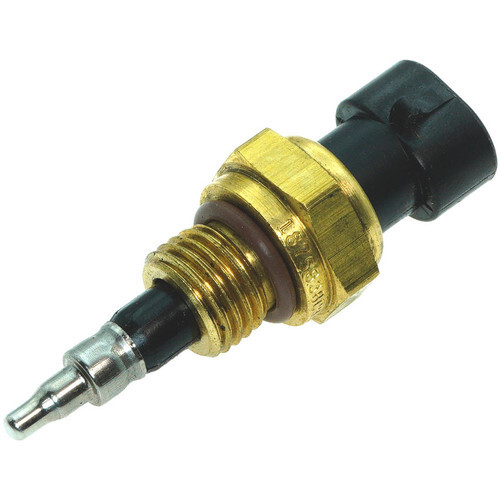
Bostech supplies remanufactured and replacement components engineered specifically for the failure points described in this guide, with an emphasis on complete system repair rather than piecemeal parts. For a 6.4L owner facing EGR, fuel system, or cooling repairs, addressing the whole system at once is almost always more cost effective than repeating a partial repair.
Bostech components relevant to common 6.4L PowerStroke repairs include:
- Bostech DE003 remanufactured fuel injectors for the 2007 to 2010 6.4L PowerStroke, fully disassembled, inspected, and rebuilt to proper specifications with new o rings and seals, ideal for addressing injector failure and fuel dilution before it damages a piston.
- Bostech ISK103 injector seal kit for the 2007 to 2010 6.4L PowerStroke, to properly seal injectors during service.
- Bostech heavy duty EGR coolers constructed with 304 stainless steel tubing that resists the clogging and cracking of the factory units, addressing the twin EGR cooler weakness at the heart of the platform.
- Bostech BD2402469 EGR cooler coolant hose for the 2008 to 2010 6.4L PowerStroke, which connects the horizontal EGR cooler coolant return to the vertical EGR cooler coolant supply.
- Bostech Silver Series remanufactured fuel injectors, which cover a range of PowerStroke and Duramax applications, offering a precision remanufactured option for owners rebuilding the fuel system.
Bostech remanufactured injectors and heavy duty EGR coolers are backed by warranty coverage, with many Bostech EGR coolers carrying a 24 month unlimited mileage material and workmanship warranty. Because 6.4L failures so often cascade from one system to another, matching the repair to the true scope of the problem is essential. Replacing a single injector when the set is aging, or a single EGR cooler when both are original, simply invites the next failure.
For help identifying the correct components for a specific 6.4L PowerStroke and model year, Bostech technical support is available at 1-800-868-0057 or by email at customerservice@bostechauto.com. Verifying fitment by the OEM part number interchange ensures the correct part the first time, and the full catalog is available at bostechauto.com.
Frequently Asked Questions
The 6.4L can be reliable when it is well maintained, but it has a reputation as an expensive and sometimes fragile engine because of its interconnected emissions, cooling, and fuel system weaknesses. A neglected 6.4L is a genuine risk, while a carefully maintained one can run well past 200,000 miles. The difference almost always comes down to maintenance discipline and how quickly the owner responds to early symptoms.
Oil dilution happens because the DPF regeneration process injects extra fuel late in the combustion cycle to raise exhaust temperatures, and some of that fuel washes past the piston rings into the crankcase. Trucks driven on frequent short trips, where regeneration is repeatedly interrupted, suffer the worst dilution. Leaking injectors make it worse by adding still more fuel to the oil.
The 6.4L uses two EGR coolers, a horizontal unit and a vertical unit, to cool the exhaust gas being recirculated for emissions control. The downside is that there are two coolers that can clog and crack instead of one. The horizontal cooler is usually the first to fail because it sees the hottest incoming exhaust gas first.
Up pipes crack at the bellows, the flexible expansion joints, due to constant thermal cycling that fatigues the metal. A cracked up pipe leaks exhaust before it reaches the turbos, causing lost boost, poor drivability, a hissing sound, and soot deposits around the engine bay. Replacement usually requires lifting the cab, so quality replacement pipes are worth the labor.
When the 6.4L HPFP fails, it can send metal debris throughout the fuel system, contaminating the rail, lines, and injectors. A proper repair then requires replacing the pump, cleaning or replacing the rail and lines, and replacing affected injectors. Leaving contaminated components in place guarantees a repeat failure, which is why the repair is so involved.
Yes. A leaking injector can over fuel a cylinder and cause a cracked or melted piston while running, or hydrolock and bent connecting rods if fuel enters the cylinder while the engine is off. What makes it especially dangerous is that this damage has frequently occurred without any warning light. A serious misfire warrants stopping the truck rather than driving on.
Emissions deletes are commonly discussed for the 6.4L because so many of its problems stem from the DPF and EGR systems, but removing federally required emissions equipment carries real regulatory and legal exposure and can affect registration and resale. This guide focuses on diagnosing and repairing the factory system. Owners weighing modifications should understand the legal implications for their jurisdiction.
The 6.4L is sometimes described as a 150,000 mile proposition because many examples need major work by that point, but a well maintained truck that stays ahead of cooling, fuel, and oil maintenance can run well beyond 200,000 miles. Maintenance history matters more than mileage when evaluating a 6.4L.
Check the oil level and condition for signs of fuel dilution, look for coolant loss and white smoke that suggest EGR cooler or head gasket issues, listen for hissing that indicates cracked up pipes, and ask about the maintenance history, especially cooling system service and fuel filtration. A truck with documented preventive maintenance is far safer than a cheaper neglected example.
Not always, but it is common and often wise. When one injector fails, the others are usually aging on the same timeline, so replacing them as a complete set of fully remanufactured units avoids repeated labor and repeated failures. Your repair shop can advise based on testing, but a full set is frequently the more economical choice over time.
Disclaimer
This article is provided for general informational and educational purposes only and does not constitute professional mechanical, diagnostic, or repair advice. Diesel engine diagnosis and repair can be complex and vehicle specific, and the symptoms described here can have multiple causes. Always consult a qualified diesel technician for diagnosis and repair of your specific vehicle, and verify correct part fitment using the OEM part number interchange before purchasing components. Product names and specifications are referenced for description purposes only. Bostech is not an original equipment manufacturer, and any use of an original manufacturer brand name is for identification and description purposes only.