
The Ultimate Guide to Diesel Engine Sensors: How They Work, Failure Symptoms, and Smart Replacement Choices
Dec 1st 2025
Table of Contents
- Why Modern Diesels Depend on Sensors More Than Ever
- Diesel Sensor Map
- Engine Management Sensors
- Fuel & High-Pressure Oil System Sensors and Modules
- Turbo & Airflow Related Sensors
- Exhaust & Aftertreatment Sensors
- Transmission & Driveline Related Sensors
- Common Misdiagnoses
- Brand Specific Sensor Hot Spots
- How to Choose the Right Replacement Sensor
- Downloadable Sensor Cheat Sheet & Next Steps
- Frequently Asked Questions
Why Modern Diesels Depend on Sensors More Than Ever
Modern diesel engines have evolved from purely mechanical powerplants into sophisticated electronic systems that rely on dozens of sensors to maintain optimal performance, meet emissions standards, and protect expensive components. The engine control unit (ECU) depends on accurate sensor data to manage everything from fuel injection timing to exhaust aftertreatment regeneration cycles. When sensors fail or provide inaccurate readings, the results can range from poor fuel economy and reduced power to complete engine shutdown.
The complexity of today's diesel engines, particularly those manufactured after 2007 with advanced emissions control systems, means that a single faulty sensor can trigger a cascade of problems. Your engine's computer constantly monitors input from temperature sensors, pressure sensors, position sensors, and specialized emissions sensors to make split second decisions about fuel delivery, boost control, and aftertreatment management. Understanding how these sensors work, where they're located, and what happens when they fail can save you thousands of dollars in unnecessary repairs and downtime.
At Bostech Auto, we've seen firsthand how sensor failures can masquerade as more serious mechanical problems. Before you consider expensive repairs like replacing injectors or a complete fuel system overhaul, it's worth investigating whether a faulty sensor might be the real culprit. Our experience with remanufactured diesel components across Cummins, Detroit Diesel, Ford PowerStroke, International/Navistar MaxxForce, and Ram engines has shown that proper sensor diagnosis and replacement often solves problems that initially appeared much more serious.
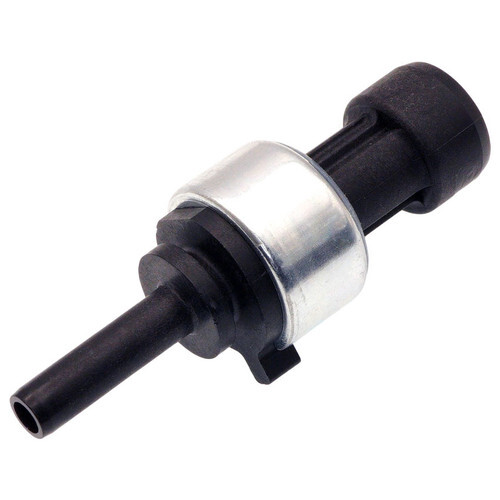
Diesel Sensor Map
Understanding where sensors are located on your diesel engine is the first step in effective diagnosis. While specific positions vary by manufacturer and model year, most modern diesels follow a similar layout pattern that groups sensors by the systems they monitor.
Quick Reference Sensor Location Chart
|
Sensor Type |
Typical Location |
System |
Common Failure Codes |
Primary Symptoms |
|
Coolant Temperature |
Engine block/cylinder head |
Engine Management |
P0117, P0118 |
Hard cold starts, poor fuel economy |
|
Intake Air Temperature |
Air intake tube/manifold |
Engine Management |
P0112, P0113 |
Rough idle, black smoke |
|
MAP Sensor |
Intake manifold |
Engine Management |
P0107, P0108 |
Loss of power, surge |
|
MAF Sensor |
Between air filter and turbo |
Engine Management |
P0101, P0102 |
Poor acceleration, stalling |
|
Crankshaft Position |
Near harmonic balancer |
Engine Management |
P0335, P0336 |
No start, intermittent stalling |
|
Camshaft Position |
Cylinder head area |
Engine Management |
P0340, P0341 |
Hard start, rough running |
|
Rail Pressure |
Fuel rail |
Fuel System |
P0191, P0193 |
Hard start, limp mode |
|
ICP Sensor |
High pressure oil rail |
Fuel System |
P0198, P0199 |
No start, rough idle |
|
VGT Position |
Turbocharger |
Turbo System |
P0046, P0047 |
Reduced power, overboost |
|
Boost Pressure |
Intake manifold |
Turbo System |
P0234, P0299 |
Limp mode, smoke |
|
EGT Sensors |
Exhaust manifold/DPF |
Exhaust |
P0545, P0546 |
Regen issues |
|
NOx Sensors |
Pre/post SCR catalyst |
Exhaust |
P229F, P220A |
DEF consumption issues |
|
DPF Differential |
Connected to DPF |
Exhaust |
P2452, P2453 |
Frequent regens |
This sensor network creates a comprehensive monitoring system that allows your engine's computer to maintain precise control over all operating parameters. When one sensor fails, it often affects multiple systems, which is why proper diagnosis is crucial before replacing expensive components like fuel pumps or injectors from Bostech's extensive remanufactured parts catalog.
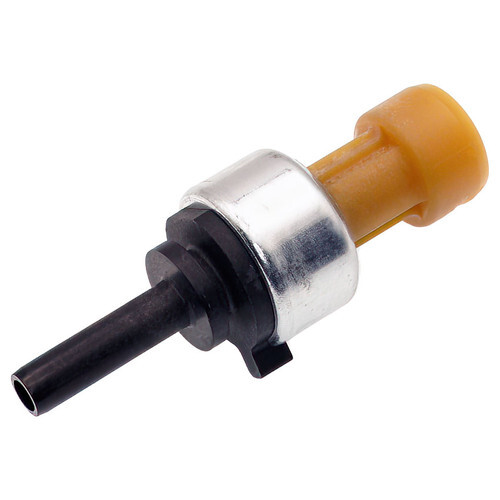
Engine Management Sensors
Engine management sensors form the foundation of your diesel's control system, providing critical data about operating conditions that affect everything from starting to peak power delivery. These sensors work together to help the ECU maintain optimal combustion efficiency while protecting your engine from damage.
Coolant Temperature Sensor
The engine coolant temperature sensor monitors the temperature of the coolant flowing through your engine block and sends this information to the ECU. This data is crucial for determining cold start enrichment, controlling glow plug operation, managing cooling fan activation, and adjusting injection timing for different operating temperatures.
Common failure symptoms include poor fuel economy, sluggish acceleration, rough idling, or the engine entering limp mode. In diesel applications, a faulty coolant temperature sensor often causes extended glow plug operation, leading to premature glow plug failure. The sensor can fail due to contamination from degraded coolant, thermal cycling stress, or electrical connection corrosion. Before replacing the sensor, always check coolant condition and ensure proper coolant mixture, as contaminated coolant can quickly damage a new sensor.
Intake Air Temperature (IAT) Sensor
The IAT sensor measures the temperature of incoming air, which directly affects air density and therefore the amount of oxygen available for combustion. Your ECU uses this information to calculate proper fuel delivery rates and adjust turbocharger boost levels for optimal performance.
When an IAT sensor fails, you might notice black smoke during acceleration, reduced fuel economy, or difficulty starting in cold weather. The sensor's location in the intake stream makes it susceptible to contamination from oil mist, especially if your turbocharger seals are beginning to fail. Regular air filter maintenance and checking for boost leaks can extend IAT sensor life significantly.
MAP & MAF Sensors: Understanding the Difference
While both Manifold Absolute Pressure (MAP) and Mass Air Flow (MAF) sensors measure air entering your engine, they work on different principles and provide complementary data to the ECU.
The MAP sensor measures the absolute pressure in the intake manifold, which correlates to engine load. This pressure reading helps the ECU determine how much fuel to inject and when to initiate turbocharger boost. MAP sensor failure often results in symptoms like reduced power output and poor acceleration. Common MAP sensor problems include vacuum leaks affecting readings, internal sensor diaphragm failure, and electrical connector issues.
The MAF sensor, when present, directly measures the mass of air flowing into the engine using either a hot wire or hot film element. This provides more precise air flow data than pressure based calculations alone. MAF sensor contamination from oil or dirt is the most common failure mode, often causing symptoms like rough idle, hesitation during acceleration, and increased fuel consumption. Some diesel engines use only MAP sensors, while others use both for redundancy and precision.
Crankshaft and Camshaft Position Sensors
Crankshaft and camshaft position sensors are critical for engine timing, as they tell the ECU exactly where the engine is in its rotation cycle, enabling precise fuel injection and valve timing control. Without accurate position data, your diesel engine cannot maintain proper injection timing, leading to poor performance or complete failure to start.
Crankshaft position sensor failure symptoms include difficulty starting, uneven acceleration, jerky operation, and complete stalling while driving. The sensor operates on a timed schedule, and when it sends incorrect signals, fuel injectors may open at the wrong time, causing rough running and poor fuel economy. Camshaft sensor issues similarly affect valve timing, resulting in poor acceleration, jerking motions, and difficulty maintaining steady speeds.
These sensors typically fail due to heat exposure, vibration, or contamination from engine oil leaks. Their proximity to high temperature engine components means that wiring harness problems are common. When diagnosing position sensor problems, always inspect the reluctor wheel or tone ring for damage, as bent or missing teeth will cause erratic sensor readings even with a good sensor.
Fuel & High-Pressure Oil System Sensors and Modules
The fuel and high pressure oil systems in modern diesels require precise monitoring to maintain the extreme pressures necessary for proper injection. These sensors are often the first to show problems when fuel contamination occurs, making them critical diagnostic points when troubleshooting performance issues.
Rail Pressure Sensor
The fuel rail pressure sensor monitors pressure inside the fuel rail and sends this data to the ECU, which uses it to control fuel pump output and injection timing. This sensor is absolutely critical for common rail diesel operation, as injection pressures can exceed 30,000 PSI in modern systems.
Fuel rail pressure sensor failure symptoms include difficult starting, engine stalling at idle, poor performance, and illuminated check engine lights. A failing sensor may cause an incorrect air fuel ratio, resulting in multiple starting attempts and unstable operation. When fuel pressure readings are incorrect, the ECU cannot properly control injection events, leading to incomplete combustion and potential engine damage.
Rail pressure sensors are particularly vulnerable to fuel contamination, which is why Bostech Auto's contamination test kits are invaluable diagnostic tools. Metal particles from a failing CP3 or CP4 pump can damage the sensor's internal components, while water contamination causes corrosion. Before condemning a rail pressure sensor, always check actual rail pressure with a mechanical gauge to verify the sensor reading.
Fuel Temperature Sensor
The fuel temperature sensor provides data that helps the ECU adjust injection timing and duration based on fuel density changes with temperature. Hot fuel is less dense, requiring longer injection pulses to deliver the same amount of energy. This sensor typically mounts in the fuel rail or return line and rarely fails unless exposed to contaminated fuel.
When fuel temperature sensors do fail, symptoms are often subtle, including slight changes in idle quality and fuel economy. However, in extreme cases, incorrect fuel temperature readings can cause starting problems in very cold or hot weather. Always check this sensor when diagnosing hot restart problems, as an incorrectly reading sensor might cause the ECU to underdeliver fuel when the engine is heat soaked.
Oil Pressure & ICP Sensors
On PowerStroke and other HEUI (Hydraulically Actuated Electronic Unit Injector) systems, the Injection Control Pressure (ICP) sensor is absolutely critical for engine operation. This sensor monitors the high pressure oil that actuates the fuel injectors, with pressures reaching 3,000 PSI or more during injection events.
ICP sensor failure creates symptoms that often mimic injector or high pressure oil pump problems, including no start conditions, rough idle, and loss of power under load. The sensor can fail internally or suffer from connection issues due to the harsh underhood environment. When diagnosing ICP sensor problems on PowerStroke engines, always check the sensor pigtail connector, as these are known failure points. Bostech's remanufactured ICP sensors include upgraded connectors to address this common issue.
Standard oil pressure sensors monitor engine lubrication system pressure and typically trigger warning lights rather than affecting engine performance directly. However, a failed oil pressure sensor that reads low might cause the ECU to limit engine power to prevent damage, even when actual oil pressure is fine.
IPR, IDM, and FICM Modules
While not sensors themselves, the Injection Pressure Regulator (IPR), Injector Driver Module (IDM), and Fuel Injection Control Module (FICM) work closely with sensor inputs to control injection events. The IPR uses ICP sensor feedback to maintain proper high pressure oil levels in HEUI systems. When the IPR fails, it often creates symptoms similar to ICP sensor failure, making proper diagnosis crucial.
The IDM and FICM translate ECU commands into the high voltage signals that fire fuel injectors. These modules rely on crankshaft and camshaft position sensor inputs for timing. When these modules fail, they often set codes related to multiple injectors or show injection timing faults. Bostech's remanufactured IDM and FICM units undergo extensive testing to ensure proper injector control, preventing the miscommunication that leads to rough running and poor fuel economy.
Turbo & Airflow Related Sensors
Turbocharger and airflow sensors are essential for maintaining proper boost pressure and preventing costly turbo damage. Modern variable geometry turbos (VGT) add complexity with additional sensors and actuators that must work in harmony for optimal performance.
VGT Position and Turbo Speed Sensors
Variable Geometry Turbochargers use moveable vanes to adjust exhaust flow across the turbine wheel, allowing quick spool up and precise boost control. The VGT position sensor tells the ECU exactly where these vanes are positioned, while turbo speed sensors monitor shaft RPM to prevent overspeeding.
VGT position sensor failure typically causes reduced power, excessive smoke, and boost related fault codes. The turbo may default to a fixed vane position, eliminating the benefits of variable geometry. These sensors operate in an extremely harsh environment with temperatures exceeding 1,000 degrees Fahrenheit and constant vibration. Sensor failure often stems from heat damage to wiring, contamination from exhaust soot, or mechanical wear in the VGT actuator linkage.
When diagnosing VGT sensor issues, always check for sticking vanes caused by soot buildup, as this can damage both the sensor and actuator. Regular operation at highway speeds helps prevent soot accumulation, while quality engine oil and proper maintenance intervals protect turbo components.
Boost Pressure Sensors
Boost pressure sensors monitor the pressure differential between atmospheric and manifold pressure, providing crucial data for turbocharger control and fuel delivery calculations. Modern diesels often use multiple boost pressure sensors to monitor conditions at different points in the intake system.
When boost pressure sensors fail, common symptoms include loss of power, black smoke under acceleration, and limp mode activation. The ECU relies on accurate boost readings to prevent overboost conditions that could damage the engine or turbocharger. A failed sensor reading low might cause the turbo to overboost, while one reading high could limit boost unnecessarily, reducing power.
Boost sensor diagnosis requires checking actual boost pressure with a mechanical gauge and comparing it to sensor readings. Intake leaks between the turbo and engine can cause false readings, so always perform a boost leak test when diagnosing sensor issues. Bostech's experience with turbocharger systems has shown that many perceived sensor failures are actually caused by boost leaks at intercooler connections or EGR cooler gaskets.
Managing Airflow for Optimal Combustion
The relationship between turbo sensors, airflow sensors, and fuel delivery is critical for maintaining the proper air fuel ratio. When airflow readings are incorrect, the ECU cannot calculate proper fuel delivery, leading to incomplete combustion, excessive smoke, and potential engine damage. This is particularly important in modern diesels with tight emissions requirements, where even small deviations from optimal combustion can trigger fault codes and derate conditions.
Regular maintenance of the entire air intake system, from air filter to intake manifold, helps ensure accurate sensor readings and optimal engine performance. When replacing turbo or airflow sensors, always check for carbon buildup in intake passages, as restrictions can cause sensors to read incorrectly even when functioning properly.
Exhaust & Aftertreatment Sensors
Modern diesel exhaust aftertreatment systems require numerous sensors to maintain proper operation, with temperature, NOx, pressure differential, and oxygen sensors all required for proper functionality. These sensors face the harshest operating conditions in your engine, exposed to extreme temperatures, corrosive exhaust gases, and constant thermal cycling.
EGT Sensors: Pre and Post Monitoring
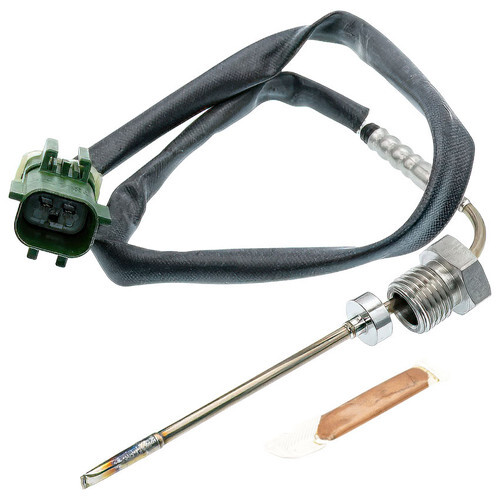
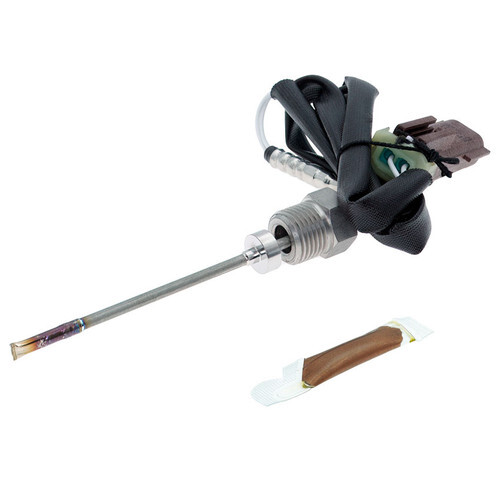
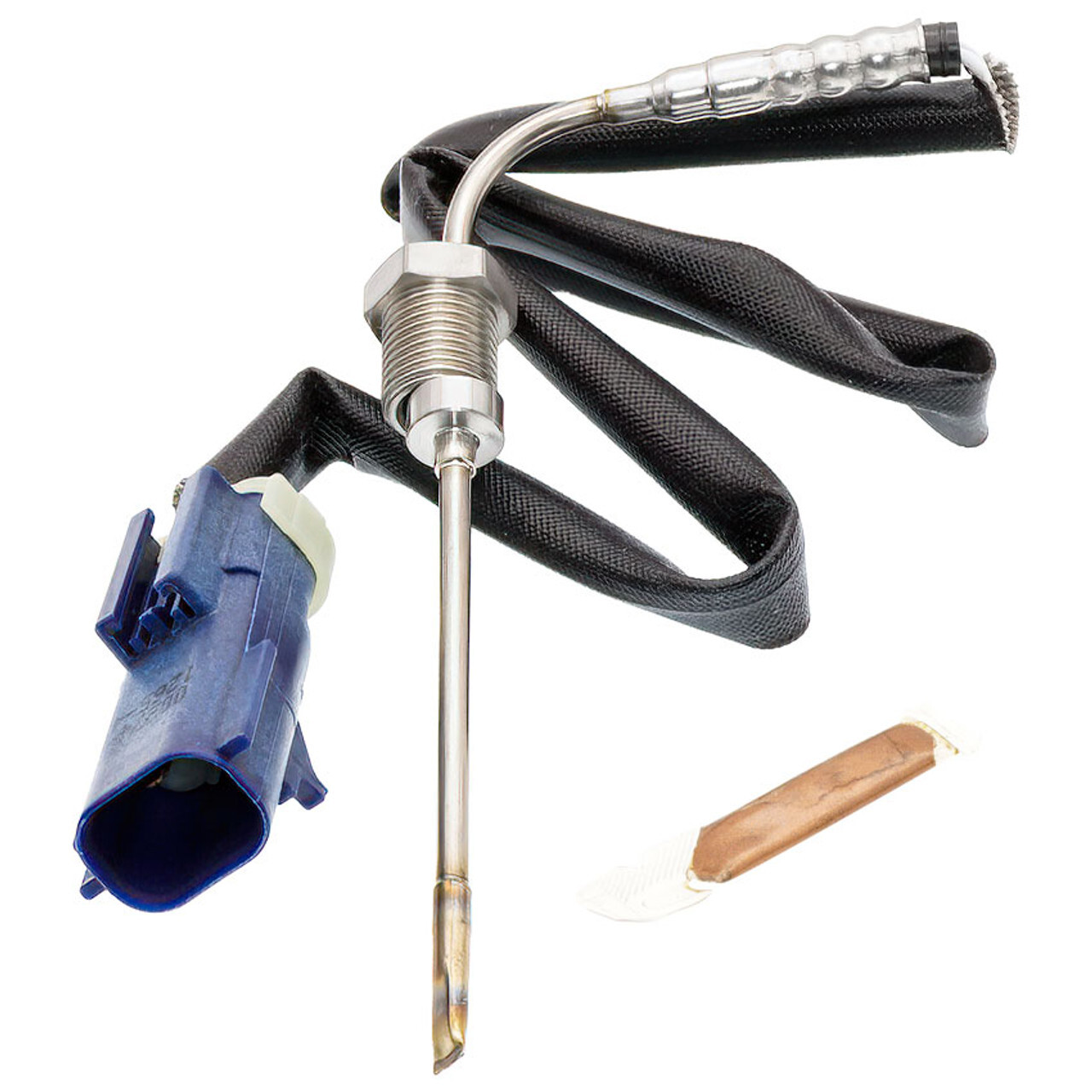
Exhaust Gas Temperature (EGT) sensors are positioned before and after the diesel particulate filter to measure exhaust gas temperature, with some sensors exposed to temperatures exceeding 1,600 degrees Fahrenheit. These sensors serve multiple critical functions in modern diesels, including monitoring DPF regeneration temperatures, protecting turbochargers from excessive heat, and ensuring optimal SCR system operation.
EGT sensors typically contain a thermocouple that generates a voltage proportional to temperature. Common failure points include vibration damage and disturbance during exhaust system repairs. When EGT sensors fail, symptoms include inability to complete DPF regenerations, false regeneration attempts, and check engine lights with temperature related codes.
Pre turbo EGT sensors protect the turbocharger from excessive exhaust temperatures that could damage the turbine wheel or housing. Post turbo sensors monitor temperatures entering the DPF, while sensors after the DPF verify proper regeneration temperatures. Each sensor position provides crucial data for different protection and control strategies.
Exhaust Back Pressure (EBP) Sensors
The EBP sensor measures exhaust pressure before the turbocharger, providing data about exhaust restriction and helping control turbocharger boost and EGR flow. High EBP readings indicate restrictions in the exhaust system, often from a clogged DPF or failed turbocharger.
EBP sensors commonly fail due to soot contamination in the sensing tube that connects the sensor to the exhaust system. This restriction causes false high pressure readings, triggering unnecessary DPF regenerations or power derates. Regular cleaning of the EBP sensor tube during maintenance can prevent many sensor related issues. When replacing an EBP sensor, always clear the sensing tube of carbon buildup and check for exhaust leaks that could affect readings.
NOx Sensors: Critical for SCR Systems
NOx sensors measure nitrogen oxide levels in the exhaust stream and send this data to control Selective Catalytic Reduction (SCR) systems that use Diesel Exhaust Fluid (DEF) to reduce harmful emissions. Most trucks have two NOx sensors, one before the SCR to measure engine output NOx and one after to verify SCR efficiency.
Common NOx sensor failure symptoms include illuminated check engine lights, reduced engine performance, poor fuel economy, and excessive DEF consumption. Failed sensors can trigger limp mode, with the engine running rich and using excessive DEF until the problem is resolved.
NOx sensors fail due to several factors including water damage from condensation in the exhaust, contamination from excess fuel during misfires or injector problems, and exposure to rapid temperature changes. Soot and carbon deposits coating the sensor tip interfere with readings and represent the most common failure mode.
Before replacing expensive NOx sensors, consider that contamination is often the root cause. Bostech's fuel system cleaning services and contamination removal kits can address underlying issues that damage NOx sensors. Additionally, ensuring proper DEF quality and avoiding contaminated DEF prevents sensor damage from crystallization.
DPF Differential Pressure Sensors
DPF differential pressure sensors measure the pressure drop across the diesel particulate filter to determine soot loading and trigger regeneration cycles when needed. The sensor connects to the exhaust system through two tubes, one before and one after the DPF, measuring the pressure difference to calculate restriction.
Symptoms of DPF pressure sensor failure include constant high soot level warnings, inability to trigger active regeneration, excessive regeneration cycles, and reduced fuel economy. A stuck sensor reading high tells the ECU the filter is full even after regeneration, while one stuck low prevents necessary regeneration, leading to genuine filter clogging.
The most common failure mode is blockage of the sensing tubes with soot, causing inaccurate pressure readings. Heat damage to sensor components and wiring is also common due to the sensor's proximity to high temperature exhaust components. Regular inspection and cleaning of sensing tubes during routine maintenance prevents many sensor failures.
When DPF differential pressure sensors fail completely, exhaust gases cannot pass properly through the filter, causing backpressure that forces exhaust back into the engine and allowing soot to contaminate engine oil. This significantly increases the risk of engine damage, making prompt sensor replacement crucial.
Transmission & Driveline Related Sensors
While primarily focused on engine sensors, modern diesel vehicles integrate transmission data with engine control for optimal performance and component protection. Transmission sensors affect diesel engine operation through torque management, shift timing, and power limiting strategies.
Transmission Temperature and Pressure Sensors
Transmission fluid temperature sensors monitor operating temperatures to protect the transmission from heat damage during heavy towing or extended high load operation. When transmission temperatures exceed safe limits, the ECU may reduce engine power to decrease heat generation, affecting overall vehicle performance.
Pressure sensors within the transmission monitor line pressure and clutch pack engagement, providing feedback for shift quality and component protection. Failed pressure sensors can cause harsh shifts, slipping, or failure to engage gears properly. While these sensors don't directly affect engine operation, their input influences torque management strategies that can limit engine power during certain conditions.
Integration with Engine Management
Modern diesels coordinate engine and transmission operation for optimal efficiency and performance. The ECU uses transmission sensor data to adjust injection timing during shifts, reduce torque during gear changes to protect drivetrain components, and modify power delivery based on detected wheel slip or loss of traction.
When diagnosing diesel performance issues, don't overlook transmission sensors as potential culprits. A failing transmission sensor might cause the ECU to unnecessarily limit engine power, creating symptoms that seem engine related. This integration highlights the importance of comprehensive system diagnosis rather than focusing solely on engine sensors.
Common Misdiagnoses
One of the most expensive mistakes in diesel repair is replacing components without addressing underlying causes of sensor failure. Understanding why sensors fail and what conditions accelerate their demise can save thousands in unnecessary parts replacement and prevent repeat failures.
When It's Not the Sensor
Before condemning any sensor, it's crucial to verify that the sensor itself is actually faulty rather than responding accurately to an abnormal condition. Many sensor failures are actually physical problems like clogged hoses, damaged wiring, or contamination rather than internal sensor failure.
Contamination represents the single biggest threat to diesel sensors. Fuel contamination from water, dirt, or metal particles damages fuel system sensors while creating symptoms identical to sensor failure. This is why Bostech Auto strongly recommends fuel quality testing when multiple fuel system sensors show problems. Our contamination test kits can identify whether sensors are failing due to contaminated fuel, potentially saving you from replacing expensive injection pumps or complete fuel systems.
Wiring and connector issues account for a large percentage of perceived sensor failures. The harsh underhood environment, with extreme temperatures, vibration, and exposure to fluids, degrades wiring insulation and corrodes connections. Always perform voltage drop tests and wiggle tests on sensor wiring before replacement. Check for rubbed through insulation, melted wires near exhaust components, corrosion in connectors, and damaged pins or terminals.
Poor grounds create mysterious sensor problems that can affect multiple systems simultaneously. A degraded ground connection increases circuit resistance, causing sensors to read incorrectly. Since many sensors share ground circuits, a single bad ground can create multiple fault codes and confusing symptoms.
Simple Diagnostic Steps Before Replacement
Start diagnosis with a visual inspection of the sensor and surrounding area. Look for oil leaks that might contaminate sensors, exhaust leaks that could affect pressure readings, physical damage from road debris or improper service, and signs of overheating like melted connectors or discolored plastic.
Next, verify sensor power and ground circuits. Most sensors receive a 5 volt reference voltage from the ECU. Check for proper reference voltage at the sensor connector, good ground continuity, and correct signal voltage with the sensor connected. Compare actual conditions to sensor readings using mechanical gauges for pressure, infrared thermometers for temperature, and boost leak testers for intake system integrity.
When possible, swap suspected sensors with known good units or identical sensors from other cylinder banks to verify the diagnosis. This is particularly useful for sensors like NOx or EGT that have multiple identical units on the same engine.
Why Quality Matters: Avoiding Comebacks
High quality sensors are crucial because incorrect sensor data affects the entire engine control system, potentially causing damage to expensive components. Cheap aftermarket sensors often fail prematurely or provide inaccurate readings from day one, leading to ongoing drivability issues and potential engine damage.
Bostech Auto's commitment to quality means our sensors meet or exceed OEM specifications for accuracy, durability, and compatibility. Our sensors undergo extensive testing to ensure accurate readings across the full operating range, resistance to vibration and thermal cycling, proper connector fitment and sealing, and correct communication protocols with various ECU types.
When sensor replacement is necessary, always address the root cause of failure. If contamination killed the original sensor, clean or replace affected components before installing the new sensor. For heat damaged sensors, add heat shielding or reroute wiring away from hot surfaces. Address oil leaks, boost leaks, or exhaust leaks that might affect sensor operation.

Brand Specific Sensor Hot Spots
Each diesel engine platform has characteristic sensor problems that experienced technicians learn to check first. Understanding these platform specific issues speeds diagnosis and helps prevent unnecessary parts replacement.
PowerStroke (6.0, 6.4, 6.7, 7.3)
Ford PowerStroke engines have evolved significantly over the years, but each generation has specific sensor vulnerabilities that Bostech Auto has extensive experience addressing through our remanufactured parts program.
The 7.3L PowerStroke, while generally reliable, commonly experiences ICP sensor and IPR valve issues. The ICP sensor pigtail connector is a known failure point, often causing intermittent no start conditions or rough running. The cam position sensor (CPS) can fail suddenly, leaving you stranded without warning. Bostech's upgraded ICP sensors include improved connectors, while our CPS units feature better heat resistance than originals.
The 6.0L PowerStroke added complexity with its EGR system and additional sensors. Common failures include the EGT sensors, particularly those near the EGR cooler, ICP and IPR problems similar to the 7.3L, oil temperature sensor issues affecting cold start strategy, and FICM failures that masquerade as sensor problems. The 6.0L's EBP sensor and tube frequently clog with soot, causing false backpressure readings that trigger unnecessary concerns about turbocharger function.
The 6.4L PowerStroke introduced advanced emissions equipment with associated sensor challenges. DPF differential pressure sensor tubes clog frequently, exhaust temperature sensors fail from extreme regeneration temperatures, and the compound turbo setup doubles the number of boost and position sensors that can fail. Fuel contamination from CP4 pump failures destroys rail pressure sensors along with other fuel system components, making Bostech's CP4 disaster prevention kits essential insurance.
The 6.7L PowerStroke continues evolving with even more complex sensor arrays. NOx sensors are particularly troublesome, with both upstream and downstream units prone to contamination. The extensive EGT sensor network for emissions compliance creates multiple potential failure points. DEF quality sensors can trigger false warnings about fluid quality, while multiple pressure sensors throughout the fuel system require careful diagnosis to identify which one has failed.
Cummins 5.9/6.7
Cummins engines in Ram trucks have their own characteristic sensor issues that Bostech addresses with targeted replacement parts and complete system solutions.
The 5.9L Cummins common rail engines (2003 to 2007) experience frequent rail pressure sensor failures, often related to fuel contamination. The electronic throttle valve (ETV) position sensor causes rough idle and smoke issues. MAP sensor failures create boost control problems and reduced power. The crankshaft position sensor can fail suddenly, causing no start conditions. These engines benefit greatly from Bostech's fuel system contamination prevention products and our remanufactured CP3 pumps that help protect sensitive sensors.
The 6.7L Cummins added emissions complexity with associated sensor challenges. NOx sensors require frequent replacement, particularly in trucks that idle extensively or make short trips. DPF differential pressure sensors suffer from soot contamination in sensing tubes. EGT sensor failures affect regeneration capability and emissions compliance. The DEF level and quality sensors can trigger false failures of the SCR system. Exhaust pressure sensors fail from soot buildup, affecting turbo control.
Both engine platforms benefit from regular fuel filter changes using quality filters, as fuel contamination is a leading cause of sensor failure. Bostech's complete fuel system packages include everything needed to restore proper fuel system operation and protect sensitive sensors from contamination damage.
MaxxForce
International/Navistar MaxxForce engines relied heavily on EGR for emissions compliance before adopting SCR technology, creating unique sensor challenges. The extensive EGR system uses multiple temperature and pressure sensors that frequently fail from soot contamination.
MaxxForce engines commonly experience EGR temperature sensor failures from extreme heat cycling, differential pressure sensor problems across EGR coolers, MAP sensor contamination from EGR soot, and boost pressure sensor issues from turbocharger problems. The complex valve and actuator systems require position sensors that fail from soot binding. Later MaxxForce engines with SCR systems add NOx sensor failures to the mix, along with DEF quality sensor issues.
Bostech's experience with MaxxForce engines has shown that many sensor failures stem from excessive soot loading due to EGR system problems. Our remanufactured EGR coolers and related components address the root causes of sensor contamination, while our sensor replacement units are built to withstand the harsh MaxxForce operating environment.
How to Choose the Right Replacement Sensor
Selecting the right replacement sensor involves more than just matching part numbers. Understanding the differences between OE, remanufactured, and aftermarket options helps you make informed decisions that balance cost with reliability.
OE vs Remanufactured vs Aftermarket
Original Equipment (OE) sensors come directly from the vehicle manufacturer's supplier and meet exact factory specifications. While generally the highest quality option, OE sensors carry premium prices and may have the same design weaknesses that caused the original failure.
Remanufactured sensors, like those from Bostech Auto, take failed OE sensors and rebuild them to meet or exceed original specifications. Our remanufacturing process includes complete disassembly and cleaning, replacement of all wear components, upgraded materials where applicable, and extensive testing to verify proper operation. This approach provides OE quality at significant cost savings while often incorporating improvements to address known failure modes.
Aftermarket sensors vary wildly in quality, from excellent alternatives that match OE specifications to cheap imports that fail quickly or never work properly. Key concerns with low quality aftermarket sensors include inaccurate readings that affect engine operation, poor environmental sealing leading to premature failure, incompatible communication protocols with certain ECUs, and lack of testing or quality control.
When to Replace Sensors in Pairs
Certain sensors should be replaced in pairs to maintain system balance and prevent repeat failures. EGT sensors before and after the DPF often fail at similar rates due to identical operating conditions. Replacing both ensures accurate temperature differential readings for proper regeneration control.
NOx sensors upstream and downstream of the SCR catalyst work together to monitor system efficiency. If one sensor has failed from contamination, the other has likely suffered similar degradation. Replacing both prevents a second failure shortly after the first repair.
Bank specific sensors like those on V8 engines may benefit from paired replacement if age related degradation is suspected. However, this depends on the failure mode, as contamination or physical damage might affect only one bank.
Warranty and Quality Considerations
When selecting replacement sensors, warranty coverage indicates manufacturer confidence in their product. Bostech Auto backs our sensors with comprehensive warranties because we know they're built to last. Look for warranties that cover reasonable time and mileage, clear coverage terms without excessive exclusions, and support from knowledgeable technical staff.
Quality sensors include features that promote longevity such as upgraded connector seals to prevent moisture intrusion, improved wire insulation for heat resistance, calibration that matches OE specifications, and robust internal components that resist vibration. Don't risk your engine's performance or expensive components to save a few dollars on sensors. The cost difference between quality and cheap sensors is minimal compared to the potential damage from incorrect sensor readings.
Downloadable Sensor Cheat Sheet & Next Steps
To help you diagnose and solve sensor related issues quickly, we've compiled this guide's essential information into a downloadable reference sheet that you can keep in your shop or truck for quick consultation.
Quick Diagnostic Flowchart
- Check Engine Light On? Start by reading fault codes with a quality scanner
- Identify the System: Group codes by engine management, fuel, turbo, or emissions
- Verify the Complaint: Confirm sensor readings against actual conditions
- Inspect Physical Components: Check wiring, connectors, and sensor condition
- Test Systematically: Use voltage drop tests and continuity checks
- Address Root Causes: Fix contamination, leaks, or damage before replacement
- Choose Quality Parts: Select OE or quality remanufactured sensors
- Verify Repair: Clear codes and test drive to confirm proper operation
Your Next Steps with Bostech Auto
When you're ready to solve your diesel sensor problems, Bostech Auto provides comprehensive solutions beyond just replacement parts. Our technical support team can help diagnose complex sensor issues, recommend the right combination of parts and services, and identify contamination or system problems that cause sensor failures.
Start with our contamination test kits if you suspect fuel quality issues. These affordable tests can reveal problems that destroy expensive sensors and injection components. Our kits test for water content, particulate contamination, microbial growth, and fuel degradation.
Browse our extensive sensor inventory organized by engine platform and system. We stock sensors for PowerStroke, Cummins, Duramax, MaxxForce, and Detroit Diesel applications. Our website's comprehensive fitment guide ensures you get the right sensor for your specific engine and model year.
Consider our complete system packages when multiple sensors have failed. These bundles include all related sensors and components for comprehensive repairs that address all potential failure points. For example, our fuel system packages include rail pressure sensors, temperature sensors, and related components that often fail together.
Take advantage of our core exchange program for significant savings on remanufactured sensors. Send us your failed OE sensor and receive credit toward your purchase. This program helps us maintain inventory while passing savings to our customers.
For fleet operators and shops, ask about our commercial accounts for volume pricing, extended payment terms, dedicated technical support, and priority shipping on critical repairs. We understand that downtime costs money, and we're committed to getting you back on the road quickly.
Frequently Asked Questions
Most diesel engine sensors don't have scheduled replacement intervals and should last the life of the engine under normal conditions. However, certain sensors in harsh environments may need periodic replacement. NOx sensors typically last 100,000 to 150,000 miles, EGT sensors may need replacement every 150,000 to 200,000 miles, and DPF differential pressure sensor tubes should be cleaned every 50,000 miles. The key is monitoring sensor performance through regular diagnostics rather than replacing on a schedule.
Some sensors can be successfully cleaned, while others require replacement when contaminated. MAF sensors often respond well to cleaning with appropriate MAF sensor cleaner. NOx sensors can sometimes be cleaned if contamination is external. EBP and DPF pressure sensor tubes should be cleaned regularly to prevent false readings. However, sensors with internal contamination or electrical failure cannot be cleaned and must be replaced. Never use harsh chemicals or compressed air directly on sensor elements, as this can cause permanent damage.
Repeated sensor failures indicate an underlying problem that needs addressing. Common causes include fuel contamination destroying fuel system sensors, oil leaks contaminating intake or exhaust sensors, exhaust leaks causing false pressure readings, electrical problems like bad grounds affecting multiple sensors, and extreme heat from exhaust leaks or missing heat shields. Bostech Auto's contamination test kits and system diagnostic services can help identify root causes to prevent repeated failures.
Preventive sensor replacement makes sense in certain situations. When replacing a turbocharger, consider replacing boost and position sensors that may have suffered heat damage. During transmission removal for clutch replacement, replace difficult to access sensors like the crankshaft position sensor. If replacing a high pressure fuel pump due to failure, replace the rail pressure sensor that may have been damaged by contamination. The labor savings from preventing future failures often justifies preventive replacement of age degraded sensors.
While some sensors are universal, many diesel sensors are application specific and require exact replacements. Generic sensors may physically fit but provide incorrect readings, use incompatible communication protocols, lack necessary temperature or pressure ranges, or fail to integrate with specialized diesel systems. Always verify sensor compatibility with your specific engine and ECU before installation. Bostech Auto's technical team can help identify the correct sensor for your application.
Preventive maintenance is the best defense against sensor failures. Use quality fuel and change filters regularly to prevent contamination. Maintain proper coolant levels and mixture to prevent temperature sensor damage. Keep the air filter clean to protect MAF and turbo sensors. Address oil leaks promptly to prevent sensor contamination. Clean EBP and DPF sensor tubes during regular service. Avoid using additives that can damage sensors or aftertreatment systems. Fix exhaust leaks that can affect pressure readings and heat damage.
While all sensors contribute to proper engine operation, rail pressure sensors in common rail systems and ICP sensors in HEUI systems are critically important. These sensors directly affect injection control, and their failure can cause immediate no start conditions or severe engine damage. Regular monitoring of fuel pressure sensor readings can reveal developing problems before complete failure occurs.
Yes, faulty sensors can cause significant engine damage if ignored. Incorrect fuel pressure readings can cause injector damage from over pressurization. Failed temperature sensors might not trigger cooling fan operation, causing overheating. Bad boost sensors can allow overboost conditions that damage pistons or head gaskets. NOx sensor failures can cause excessive DEF consumption that damages SCR catalysts. This is why using quality replacement sensors from Bostech Auto is crucial for protecting your investment.
Distinguishing between sensor and wiring failures requires systematic testing. Start by checking for obvious wiring damage or corrosion. Use a multimeter to verify reference voltage at the sensor connector. Check ground continuity back to the ECU. Perform wiggle tests while monitoring sensor readings. Compare sensor resistance to specifications when disconnected. Use voltage drop testing to identify high resistance in wiring. If wiring tests good, the sensor is likely faulty. Bostech Auto's technical support can walk you through specific diagnostic procedures for your sensor concerns.
Some basic sensor tests only require a multimeter. Temperature sensors can be tested by measuring resistance and comparing to temperature charts. Position sensors can be checked for smooth resistance changes when moved. Simple pressure sensors might show resistance changes with applied pressure. However, many modern sensors require specialized scan tools to read live data and perform active tests. Investing in a quality diesel scan tool or working with a qualified technician ensures accurate diagnosis.