
Diesel Aftertreatment Maintenance Playbook for Fleets: DPF, DOC, SCR & DEF Strategies to Prevent Derates and Downtime
Dec 1st 2025
Table of Contents
- Why Aftertreatment Is Costing Fleets So Much
- Aftertreatment 101
- Key Sensors that Control Aftertreatment
- Building a Fleet Aftertreatment Maintenance Schedule
- Symptom to System Matrix
- Preventing Aftertreatment Failures Upstream
- Platform Specific Notes
- Choosing the Right Aftertreatment Parts and Sensors
- Printable Fleet Checklist and Training Ideas
- Frequently Asked Questions
Why Aftertreatment Is Costing Fleets So Much
The financial impact of aftertreatment failures on fleet operations extends far beyond the cost of replacement parts. When a truck goes into derate mode on the highway due to a failed NOx sensor or clogged DPF, the cascading costs can quickly escalate into thousands of dollars. Consider that an average roadside service call for aftertreatment issues costs between $800 and $1,500, towing to a service facility can add another $500 to $1,000, and lost revenue from an out of service truck ranges from $1,000 to $2,000 per day depending on your operation.
The real killer for fleet profitability isn't just these emergency costs, it's the hidden expenses that accumulate over time. Frequent regenerations waste fuel, with some fleets reporting a 5% increase in fuel consumption when aftertreatment systems aren't properly maintained. Driver retention suffers when operators constantly deal with warning lights and performance issues. Customer relationships strain when deliveries are delayed due to aftertreatment failures. Insurance premiums can increase after multiple roadside breakdowns.
Yet these costs are largely preventable. A comprehensive aftertreatment maintenance program typically costs less than $2,000 per truck per year, while a single major aftertreatment failure can easily exceed $5,000 when factoring in parts, labor, downtime, and consequential damages. The math is simple: proactive maintenance pays for itself many times over. Bostech Auto has worked with hundreds of fleets to develop cost effective maintenance strategies that keep trucks running while controlling expenses through quality remanufactured components and targeted preventive maintenance.
Aftertreatment 101
Understanding how your aftertreatment components work together is essential for developing an effective maintenance strategy. Modern diesel aftertreatment isn't a single system but rather a series of interconnected components that must function in harmony to meet emissions standards while maintaining engine performance.
Diesel Oxidation Catalyst (DOC)
The DOC serves as the first line of defense in your aftertreatment system, positioned immediately after the turbocharger in the exhaust stream. This component oxidizes carbon monoxide and hydrocarbons into less harmful carbon dioxide and water vapor. More importantly for system function, the DOC raises exhaust temperatures to enable proper DPF regeneration. When functioning correctly, the DOC helps burn off accumulated soot during passive regeneration events, reducing the frequency of forced regenerations that waste fuel and create downtime.
A properly functioning DOC is critical for the entire aftertreatment system. When the DOC becomes contaminated or loses efficiency, it cannot generate sufficient heat for DPF regeneration, leading to excessive soot accumulation. This creates a domino effect where the DPF clogs more quickly, regeneration cycles become more frequent, and fuel economy suffers. Regular inspection and cleaning of the DOC during DPF service can prevent these cascading failures.
Diesel Particulate Filter (DPF)
The DPF captures and stores soot particles from diesel exhaust, preventing them from entering the atmosphere. This wall flow filter design forces exhaust gases through porous ceramic walls that trap particulate matter while allowing gases to pass through. Modern DPFs achieve filtration efficiency exceeding 85% and can reach nearly 100% effectiveness under optimal conditions.
The DPF relies on periodic regeneration to burn off accumulated soot, converting it to ash that remains in the filter until physical cleaning. Passive regeneration occurs naturally during highway driving when exhaust temperatures exceed 600 degrees Fahrenheit. Active regeneration requires the engine control system to inject additional fuel to raise exhaust temperatures when passive regeneration cannot keep pace with soot accumulation. Understanding your fleet's duty cycle and how it affects regeneration patterns is crucial for establishing proper maintenance intervals.
Selective Catalytic Reduction (SCR)
The SCR system reduces nitrogen oxide emissions by injecting Diesel Exhaust Fluid into the exhaust stream upstream of a catalyst. The DEF, which consists of 32.5% automotive grade urea and 67.5% deionized water, breaks down into ammonia when exposed to hot exhaust gases. This ammonia then reacts with NOx in the SCR catalyst, converting harmful nitrogen oxides into harmless nitrogen and water vapor.
SCR systems can achieve NOx reduction rates exceeding 90% when operating correctly, making them essential for meeting current emissions standards. The system includes multiple components that require maintenance attention: the DEF tank and heating system, supply and return lines, dosing pump and injector, decomposition tube or reactor, and the SCR catalyst itself. Each component plays a critical role in emissions reduction and system efficiency.
DEF System Components
The DEF delivery system is more complex than many fleet managers realize, with multiple potential failure points that can trigger derates or shutdowns. The DEF tank includes level sensors, quality sensors, and temperature sensors that monitor fluid conditions. In cold climates, tank heaters prevent DEF freezing, which occurs at 12 degrees Fahrenheit. The DEF pump module pressurizes the system and includes filters that require periodic replacement.
DEF lines run from the tank to the dosing unit and must remain free of crystallization and contamination. The dosing injector precisely meters DEF into the exhaust stream based on NOx sensor feedback and engine operating conditions. Any failure in this delivery chain can compromise SCR efficiency, leading to increased emissions, fault codes, and potential engine derates. This is why Bostech Auto offers complete DEF system component packages that address all potential failure points rather than just individual parts.
Key Sensors that Control Aftertreatment
The modern diesel aftertreatment system relies on a network of sensors to monitor conditions and control regeneration cycles, DEF dosing, and system performance. When these sensors fail or provide inaccurate readings, the results range from unnecessary regenerations that waste fuel to complete system shutdown with associated downtime costs.
EGT Sensors: Temperature Monitoring Throughout
Exhaust Gas Temperature sensors are positioned at multiple points in the aftertreatment system, with each location serving a specific monitoring purpose. Pre turbo EGT sensors protect the turbocharger from excessive temperatures while providing data for boost control. Post turbo sensors monitor temperatures entering the DOC and DPF, crucial for determining when regeneration can occur. Sensors positioned after the DPF verify that regeneration is achieving proper temperatures to oxidize soot effectively.
When EGT sensors fail or read incorrectly, the engine control module cannot properly manage regeneration events. A sensor reading low might prevent necessary regenerations, leading to excessive soot accumulation and eventual DPF failure. Conversely, a sensor reading high might trigger unnecessary regenerations that waste fuel and create excessive heat stress on aftertreatment components. Fleet managers should monitor regeneration frequency as an early indicator of potential EGT sensor issues.
DPF Differential Pressure Sensors
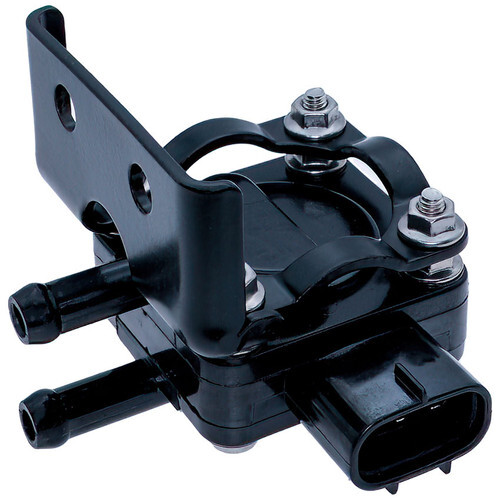
The DPF differential pressure sensor measures the pressure drop across the particulate filter to determine soot loading levels. This sensor connects to the exhaust system via sensing tubes positioned before and after the DPF. By calculating the pressure difference, the ECM determines when regeneration is necessary and monitors regeneration effectiveness.
Common issues with differential pressure sensors include soot contamination in the sensing tubes, which causes false high pressure readings and triggers excessive regeneration cycles. These unnecessary regenerations waste fuel, increase operating costs, and accelerate DPF ash accumulation. Regular cleaning of sensing tubes during routine maintenance prevents many sensor related issues. Bostech's comprehensive sensor maintenance kits include the tools and cleaners necessary to maintain these critical monitoring points.
NOx Sensors: Emissions Compliance Gatekeepers
NOx sensors serve as the feedback mechanism for SCR system operation, with sensors positioned before and after the SCR catalyst. The upstream sensor measures engine out NOx levels, allowing the control system to calculate required DEF dosing rates. The downstream sensor verifies SCR efficiency and triggers fault codes if NOx conversion rates fall below acceptable levels.
NOx sensor failure symptoms include increased DEF consumption as the system attempts to compensate for perceived high NOx levels, reduced engine performance and derate conditions, and illuminated malfunction indicator lamps with associated fault codes. These sensors are particularly sensitive to contamination from poor quality DEF, exhaust condensation, and soot accumulation. The typical service life of NOx sensors ranges from 100,000 to 150,000 miles, making them a predictable maintenance item for fleet planning purposes.
EBP and Other Pressure Sensors
Exhaust Back Pressure sensors monitor restriction in the exhaust system, providing crucial data for turbocharger control and system diagnostics. High EBP readings indicate excessive restriction from a clogged DPF or other exhaust blockage. This information helps the control system adjust boost levels and injection timing to maintain performance while protecting engine components.
Additional sensors throughout the aftertreatment system include DEF level and quality sensors that prevent operation with inadequate or contaminated fluid, DEF temperature sensors that control heating elements in cold weather, and various temperature and pressure sensors that monitor individual component performance. Understanding how these sensors work together helps fleet technicians diagnose problems more effectively and prevent unnecessary parts replacement.
Building a Fleet Aftertreatment Maintenance Schedule
Developing a comprehensive aftertreatment maintenance schedule requires balancing manufacturer recommendations with real world operating conditions. Your fleet's specific duty cycle, operating environment, and driver behaviors all influence optimal maintenance intervals. The following schedule provides a framework that can be adjusted based on your operational experience and component performance data.
Daily and Weekly Checks
Driver involvement in daily inspections represents your first line of defense against aftertreatment failures. Train drivers to check DEF levels before each trip and top off as needed to prevent running empty. Visual inspections should include looking for DEF crystallization around tank caps, injectors, and line connections, checking for exhaust leaks at clamp connections and sensor bungs, and noting any new warning lights or messages on the dashboard.
Weekly checks by maintenance staff should include recording regeneration frequency from vehicle diagnostics to establish baseline patterns. Unusual increases in regeneration frequency often indicate developing problems weeks before component failure. Document DEF consumption rates to identify systems using excessive fluid, which might indicate NOx sensor issues or SCR efficiency problems. Review driver reports for any performance complaints or intermittent warning lights that might not set permanent fault codes.
Service Interval Maintenance (15,000 to 25,000 miles)
Regular service intervals provide opportunities for more thorough aftertreatment system inspection and preventive maintenance. Every oil change should include inspection of DPF differential pressure sensor tubes for soot blockage, cleaning tubes with compressed air or appropriate solvents as needed. Check all aftertreatment sensor connections for corrosion or damage, as connection issues cause many perceived sensor failures.
Scan for both active and historical fault codes using appropriate diagnostic software. Pay particular attention to pending codes that haven't yet triggered warning lights, as these often indicate developing issues. Document findings in maintenance records to identify patterns across your fleet. Verify that actual regeneration intervals match expected frequencies for your duty cycle. Investigate any truck requiring regeneration more frequently than every 300 to 400 miles of normal operation.
Extended Interval Maintenance (100,000 to 150,000 miles)
Major aftertreatment maintenance at extended intervals prevents costly failures and maintains system efficiency. DPF cleaning or exchange should occur between 100,000 and 250,000 miles depending on duty cycle and regeneration patterns. Urban delivery trucks with frequent stops typically require cleaning at shorter intervals than long haul trucks that achieve regular passive regeneration.
Replace DEF filters according to manufacturer specifications, typically every 100,000 to 150,000 miles. Clogged DEF filters restrict flow, causing dosing issues that trigger fault codes and derates. Inspect the DEF tank for contamination or debris that might damage pumps and injectors. Clean the DEF header and check for crystallization that could restrict fluid flow. Perform thorough inspection of EGR coolers for internal leaks that introduce coolant into the exhaust stream, damaging aftertreatment components.
Seasonal Maintenance Considerations
Cold weather operations require additional attention to DEF system components. Before winter, verify proper operation of DEF tank heaters and line heaters. Check that coolant valves supplying DEF heating circuits open and close properly. Inspect electrical connections to heating elements for corrosion or damage. Consider using winter blend DEF in extreme cold climates to prevent freezing issues.
Summer operations stress cooling systems that indirectly affect aftertreatment performance. Ensure adequate cooling system capacity to prevent overheating that damages EGR coolers and affects regeneration. Clean charge air coolers to maintain proper intake temperatures that influence combustion and soot production. Monitor for excessive regeneration during hot weather operations when passive regeneration should occur more readily.
Symptom to System Matrix
Quick diagnosis of aftertreatment issues requires understanding how symptoms relate to specific system failures. The following matrix helps technicians and fleet managers identify likely causes based on observed symptoms, streamlining the diagnostic process and reducing downtime.
|
Symptom |
Likely System |
Primary Checks |
Bostech Solution |
|
Frequent regenerations (daily or more) |
DPF/DOC degradation |
Check differential pressure, inspect for internal damage |
DPF cleaning service, DOC replacement |
|
Derate with NOx codes |
NOx sensors or SCR efficiency |
Test NOx sensor readings, verify DEF quality |
NOx sensor kit, DEF contamination test |
|
Poor fuel economy without codes |
Excessive regeneration |
Review regen history, check EGT sensors |
Complete sensor diagnostic package |
|
White smoke from exhaust |
DEF injector or dosing issue |
Inspect for DEF leaks, check injector operation |
DEF injector assembly |
|
Sulfur or ammonia smell |
SCR overdosing |
Check NOx sensors, verify DEF concentration |
NOx sensor replacement |
|
DEF consumption too high |
Dosing valve or NOx sensor |
Compare actual to expected consumption |
DEF system overhaul kit |
|
DEF consumption too low |
Blocked injector or pump failure |
Check for crystallization, test pump pressure |
DEF pump and line kit |
|
Cannot complete regeneration |
Insufficient temperature |
Verify DOC function, check for intake leaks |
DOC/DPF replacement |
|
Check engine light without derate |
Pending sensor issue |
Scan all modules for codes |
Diagnostic service |
|
Immediate derate at startup |
Critical sensor failure |
Check power/ground to sensors |
Sensor replacement kit |
This diagnostic matrix represents common scenarios, but remember that multiple issues can present similar symptoms. Always verify diagnosis with appropriate testing before replacing expensive components. Bostech Auto's technical support team can assist with complex diagnostic scenarios, helping you identify root causes rather than just addressing symptoms.
Preventing Aftertreatment Failures Upstream
The most cost-effective aftertreatment maintenance strategy addresses problems before they reach the exhaust system. Many aftertreatment failures result from issues in fuel delivery, combustion quality, or cooling systems that create excessive soot production or introduce contaminants into the exhaust stream.
Fuel System Health and Contamination Prevention
Fuel quality directly impacts aftertreatment system longevity through its effect on combustion efficiency and soot production. Contaminated fuel causes incomplete combustion that dramatically increases soot loading in the DPF. Water contamination leads to injector damage that creates poor spray patterns and excessive soot. Microbial contamination produces acids that corrode fuel system components and create combustion byproducts that poison catalysts.
Bostech Auto's fuel contamination test kits allow fleets to identify fuel quality issues before they damage expensive injection components and overload aftertreatment systems. Regular fuel testing should be part of your preventive maintenance program, especially if you notice increased regeneration frequency across multiple vehicles. Our comprehensive fuel system restoration packages address contamination at its source, including tank cleaning compounds, biocide treatments, water separation filters, and fuel polishing systems.
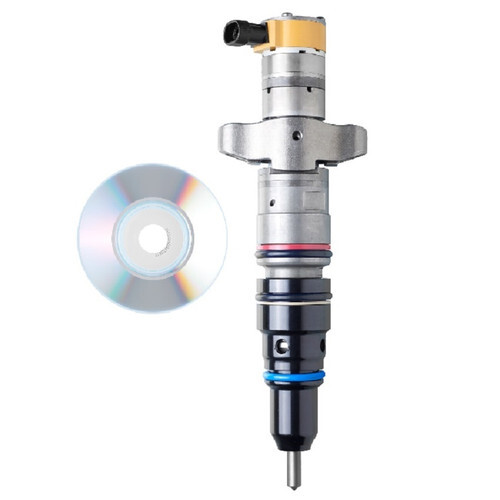
Injector wear represents another upstream factor that significantly impacts aftertreatment performance. Worn injectors create poor atomization that increases soot production by up to 300%. This excessive soot quickly overwhelms the DPF's capacity, leading to frequent regenerations and premature filter replacement. Bostech's remanufactured injector sets restore proper spray patterns and combustion efficiency, reducing the load on aftertreatment components while improving fuel economy.
Cooling System Maintenance Impact
Cooling system problems affect aftertreatment systems through multiple pathways that fleet managers often overlook. EGR cooler failures introduce coolant into the exhaust stream, where glycol contamination poisons SCR catalysts and creates deposits that block DPF channels. Even small internal leaks that don't cause visible coolant loss can destroy aftertreatment components over time.
Overheating conditions stress all engine components but particularly impact aftertreatment durability. Excessive combustion temperatures create harder soot particles that are more difficult to oxidize during regeneration. High temperature operation accelerates catalyst degradation in both DOC and SCR components. Elevated temperatures also increase thermal stress on sensors, leading to premature failure of expensive NOx and temperature sensors.
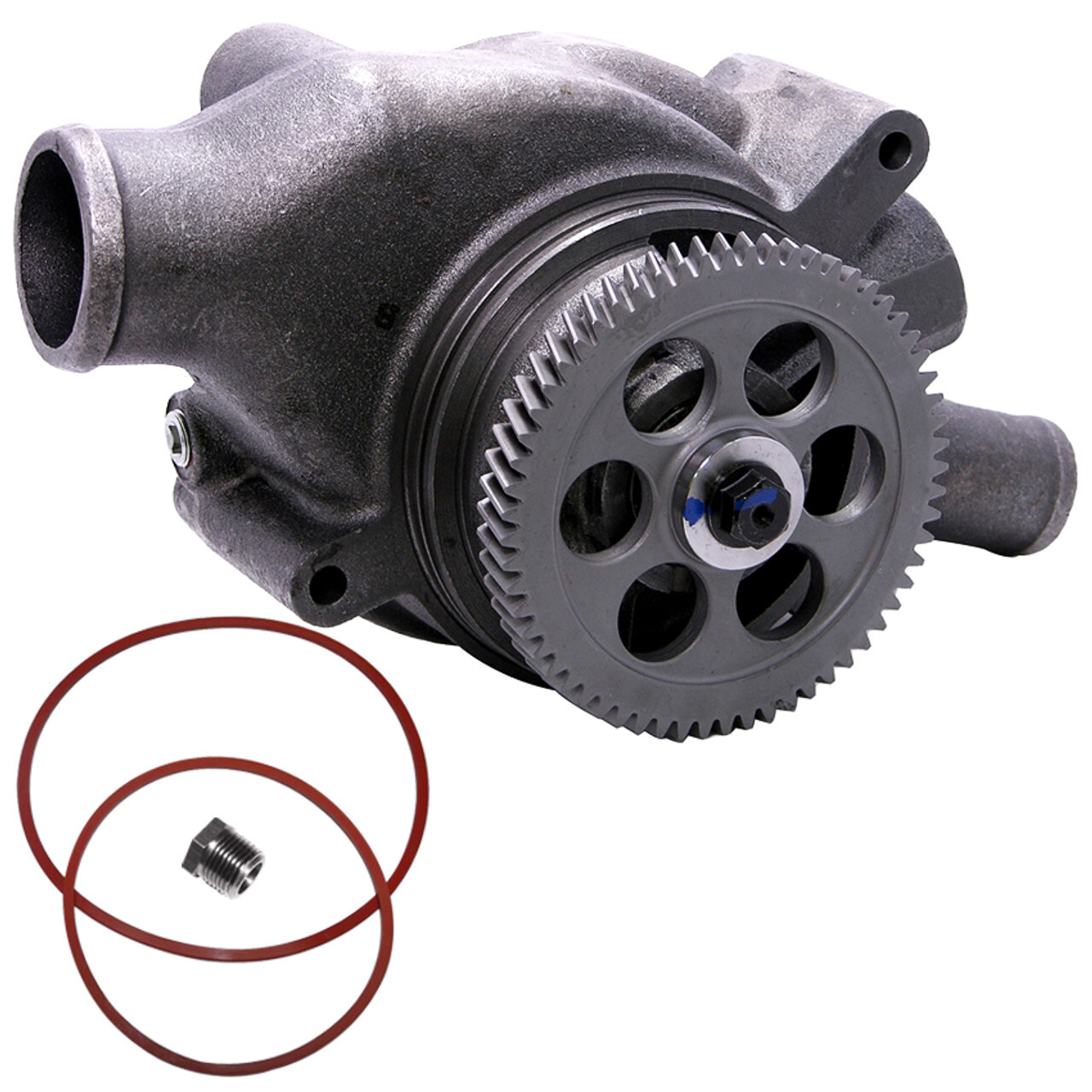
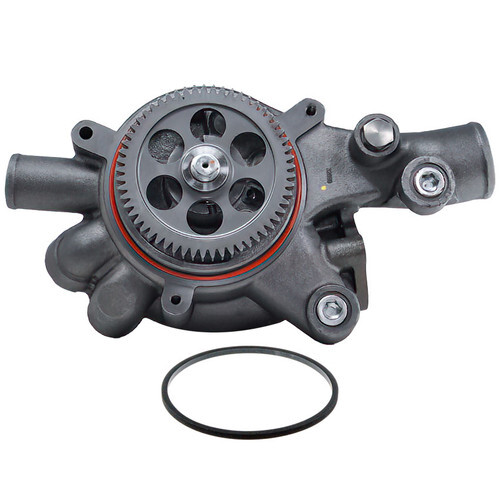
Bostech Auto's water pump replacement programs ensure adequate cooling system performance to protect both engine and aftertreatment components. Our remanufactured water pumps include upgraded bearings and seals that extend service life while maintaining proper flow rates. Combined with our comprehensive cooling system maintenance products, including flush compounds and corrosion inhibitors, proper cooling system care prevents many downstream aftertreatment issues.
Air intake system maintenance also plays a crucial role in aftertreatment health. Restricted air filters increase soot production by creating rich combustion conditions. Boost leaks reduce combustion efficiency while potentially introducing unfiltered air that accelerates engine wear. Torn or damaged air filters allow abrasive particles to enter the engine, accelerating wear that increases oil consumption and soot production.
Platform Specific Notes
Each engine platform has characteristic aftertreatment challenges that experienced fleet managers learn to anticipate. Understanding these platform specific issues helps optimize maintenance schedules and stock appropriate replacement parts.
6.7 PowerStroke
Ford's 6.7L PowerStroke has evolved through several iterations since 2011, each with specific aftertreatment considerations. Early engines (2011 to 2014) commonly experience EGT sensor failures, particularly sensors located near the turbocharger. These failures often trigger unnecessary regenerations or prevent needed regenerations, leading to DPF loading issues. The ceramic DPF substrate in these years is prone to cracking from thermal stress, especially in severe duty applications.
The 2015 to 2019 engines improved sensor reliability but introduced new challenges with the DEF system. Cold weather operation frequently triggers DEF quality sensor faults even with good fluid. The reductant control module can fail, causing loss of DEF injection and subsequent derates. Bostech's PowerStroke specific sensor kits address these common failure points with upgraded components designed for improved durability.
Current generation 6.7L PowerStroke engines (2020+) feature more sophisticated aftertreatment control strategies that require careful maintenance attention. The system uses multiple NOx sensors with tighter calibration requirements, making quality DEF essential. Contamination from poor quality DEF quickly damages these sensitive sensors. Regular DEF filter changes and tank cleaning prevent many issues. The horizontal DPF mounting in these trucks makes proper support during service critical to prevent stress cracks.
6.7 Cummins
Ram's 6.7L Cummins engines face unique aftertreatment challenges related to their fuel system design and packaging constraints. The CP4 fuel pump used in 2019+ models is particularly susceptible to contamination failure that sends metal debris throughout the fuel system. This contamination creates excessive soot that overloads the DPF while metal particles can damage the DOC substrate. Bostech's CP4 disaster prevention kits and fuel system restoration packages are essential protection for these vehicles.
DEF header problems plague many 6.7L Cummins applications, with crystallization blocking fluid passages and preventing proper dosing. The compact packaging of Ram trucks positions the DEF injector close to heat sources, accelerating crystallization. Regular cleaning of the DEF injector and decomposition tube prevents many dosing related issues. Cold weather operation frequently damages DEF pumps when fluid freezes in the lines, making proper winterization critical.
The vertical DPF mounting in Ram trucks creates unique service challenges but offers advantages for ash accumulation. These filters typically achieve longer service intervals than horizontal mounted units, often reaching 200,000 miles between cleanings with proper maintenance. However, the mounting position makes the differential pressure sensor tubes more prone to water accumulation, requiring more frequent inspection and clearing.
MaxxForce
International/Navistar MaxxForce engines relied heavily on EGR for emissions compliance before adopting SCR technology, creating unique maintenance requirements. The advanced EGR systems in these engines produce exceptional amounts of soot that quickly load DPF filters. Typical MaxxForce applications require DPF cleaning every 75,000 to 100,000 miles, significantly shorter than other platforms.
The extensive EGR cooling systems in MaxxForce engines require vigilant maintenance to prevent aftertreatment damage. EGR cooler failures are common and introduce coolant into the exhaust stream, poisoning the DOC and creating hard deposits in the DPF. Regular EGR cooler pressure testing during PM services identifies developing leaks before catastrophic failure. Bostech's remanufactured EGR coolers for MaxxForce engines incorporate design improvements that address known failure modes.
Later MaxxForce engines with SCR systems combine the soot loading challenges of heavy EGR with the complexity of SCR maintenance. These engines benefit greatly from proactive maintenance strategies that address both systems. Regular EGR valve cleaning reduces soot production while maintaining SCR components prevents NOx related derates. The dual challenge of these systems makes quality replacement parts essential, as inferior components quickly fail in the harsh operating environment.
Choosing the Right Aftertreatment Parts and Sensors
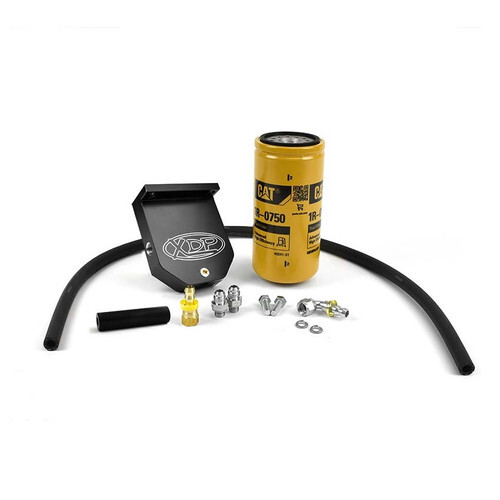
Selecting appropriate replacement parts for aftertreatment maintenance requires balancing cost, quality, and availability. Understanding the differences between OE, remanufactured, and aftermarket options helps fleet managers make informed decisions that optimize both performance and total cost of ownership.
When OE Equivalent Remanufactured Makes Sense
Remanufactured aftertreatment components offer compelling advantages for fleet operations. Cost savings of 30 to 50% compared to new OE parts make remanufactured options attractive for budget conscious fleets. However, the real value extends beyond initial purchase price. Bostech Auto's remanufactured components undergo extensive testing and often incorporate updates that address known OE failure modes.
Our remanufactured NOx sensors, for example, include improved connector seals that prevent moisture intrusion, a common failure mode in OE sensors. Remanufactured DPF units are cleaned to OE specifications and tested for flow rates and filtration efficiency. This process ensures performance matching new units while supporting environmental sustainability through component reuse. The warranty coverage on our remanufactured parts matches or exceeds many new component warranties, providing peace of mind for fleet operators.
Consider remanufactured components for sensors with predictable wear patterns like NOx and EGT sensors, DPF units that can be effectively cleaned and tested, EGR coolers where core integrity can be verified, and DEF pumps and injectors that benefit from upgraded seals and calibration. The key is working with a reputable remanufacturer like Bostech that maintains strict quality standards and provides comprehensive warranty support.
Benefits of Fleet Standardization
Standardizing aftertreatment components across your fleet simplifies maintenance operations while potentially reducing costs. Using consistent sensor brands and part numbers reduces inventory requirements, as you need fewer unique SKUs in stock. Technician training becomes more efficient when dealing with familiar components. Diagnostic procedures standardize across vehicles, reducing troubleshooting time. Bulk purchasing power can negotiate better pricing on commonly used parts.
Bostech Auto's fleet programs support standardization efforts through volume pricing on frequently used sensors and components, consignment inventory programs for critical parts, technical training for your maintenance staff, and dedicated account support for complex diagnostic issues. We work with fleets to identify high usage parts and develop stocking strategies that minimize downtime while controlling inventory costs.
Standardization also extends to maintenance procedures and intervals. When your fleet uses consistent aftertreatment components, you can develop optimized PM schedules based on actual performance data rather than conservative OE recommendations. This data driven approach often extends service intervals while improving reliability, as you learn the actual wear patterns for your specific operation.
Strategic Parts Inventory Management
Effective parts inventory management balances availability with carrying costs. For aftertreatment components, consider stocking sensors with high failure rates like NOx sensors for vehicles approaching 100,000 miles, DEF injectors for cold climate operations where crystallization is common, differential pressure sensor tubes that frequently require replacement, and gaskets and clamps for exhaust system repairs during DPF service.
Partner with Bostech Auto for rapid delivery of less common components that don't justify shelf space. Our multiple distribution centers ensure next day delivery for most aftertreatment parts, allowing you to maintain lean inventory while ensuring parts availability. Emergency same day shipping options provide solutions for critical AOG situations where downtime costs exceed expedited shipping charges.
Printable Fleet Checklist and Training Ideas
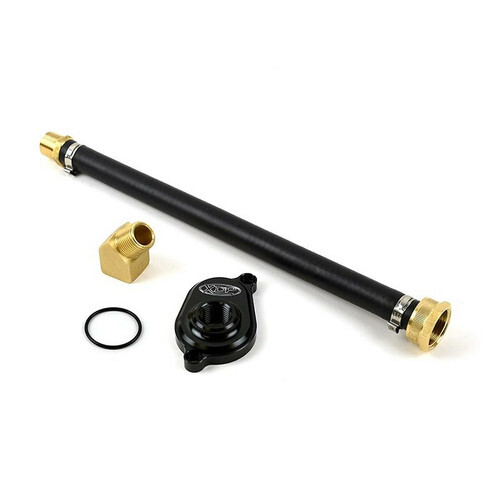
Successful aftertreatment maintenance programs require consistent execution across all vehicles and technicians. The following checklists and training recommendations help standardize procedures while ensuring nothing gets overlooked during routine maintenance.
Daily Driver Inspection Checklist
Creating a simple, visual checklist for drivers improves compliance with daily inspections. The checklist should include: DEF level check and top off if below 50%, visual inspection for DEF leaks or crystallization, dashboard warning light check before departure, unusual exhaust smoke or odor notation, and regeneration indicator status recording. Make this checklist part of the standard pre trip inspection, with clear escalation procedures for issues requiring immediate maintenance attention.
PM Service Aftertreatment Checklist
Technician checklists ensure consistent aftertreatment inspection during routine services:
Every Service (Oil Change Interval):
- Scan for active and pending fault codes
- Record regeneration history data
- Check DPF differential pressure readings
- Inspect sensor connections for corrosion
- Clear differential pressure sensor tubes
- Verify DEF quality with refractometer
- Document DEF consumption rate
Extended Service (50,000 miles):
- Perform forced regeneration and monitor temperatures
- Inspect DOC face for contamination or damage
- Check EGR cooler for internal leaks
- Test NOx sensor response rates
- Clean DEF injector and decomposition tube
- Replace DEF filter if equipped
- Pressure test complete exhaust system
Major Service (150,000+ miles):
- Remove and clean or replace DPF
- Service or replace DOC
- Replace NOx sensors
- Overhaul DEF delivery system
- Update all software calibrations
Technician Training Priorities
Investing in technician training reduces diagnostic time and prevents unnecessary parts replacement. Priority training areas should include understanding regeneration strategies and how to interpret regeneration data, proper use of diagnostic software for aftertreatment systems, sensor testing procedures using multimeters and scan tools, DEF quality testing and contamination identification, and safe handling procedures for hot aftertreatment components.
Bostech Auto offers technical training resources including online modules covering aftertreatment theory and operation, diagnostic flowcharts for common failure scenarios, technical bulletins on platform specific issues, and access to our technical support hotline for complex problems. Regular training updates keep your technicians current with evolving aftertreatment technologies and diagnostic techniques.
Creating a Culture of Prevention
The most successful fleet aftertreatment programs create a culture where everyone understands their role in prevention. Drivers who understand how their driving habits affect regeneration cycles make better operational decisions. Technicians who grasp the interconnected nature of aftertreatment components perform more thorough inspections. Managers who recognize the true cost of aftertreatment failures invest appropriately in preventive maintenance.
Consider implementing recognition programs for drivers who maintain low regeneration frequencies, technicians who identify problems before failure, and shops that achieve uptime targets. Share success stories where preventive maintenance avoided costly failures. Track and publicize metrics like miles between aftertreatment failures and average repair costs to demonstrate program effectiveness.
Frequently Asked Questions
DPF cleaning intervals depend heavily on duty cycle and operating conditions. Long haul applications with consistent highway speeds typically achieve 200,000 to 250,000 miles between cleanings. Regional haul with mixed driving might require cleaning at 150,000 to 200,000 miles. Urban delivery and vocational applications often need service at 75,000 to 125,000 miles. Monitor differential pressure trends and regeneration frequency to optimize intervals for your specific operation. Annual cleaning regardless of mileage makes sense for severe duty applications.
In house DPF cleaning becomes cost effective for fleets operating 50+ vehicles or those in remote locations with limited service availability. Consider that professional cleaning costs $300 to $500 per event, while cleaning equipment investment ranges from $15,000 to $50,000. Factor in labor costs, training requirements, and space needs. Many fleets find that a combination approach works best: maintain exchange inventory for rapid turnaround while outsourcing actual cleaning to specialists.
Excessive DEF consumption usually indicates NOx sensor degradation or SCR efficiency loss rather than actual high NOx production. Start by verifying DEF quality across your fleet, as poor quality fluid triggers overconsumption. Replace NOx sensors approaching 150,000 miles before they cause dosing issues. Ensure proper engine maintenance, as worn injectors and air leaks increase NOx production. Track consumption by vehicle to identify outliers requiring attention. Bostech's NOx sensor replacement programs can significantly reduce fleet wide DEF usage.
Delayed maintenance costs compound quickly. A $200 sensor cleaning skipped might lead to a $500 sensor replacement. That failed sensor could trigger excessive regenerations, wasting $1,000 in fuel over several months. The extra regenerations accelerate DPF loading, requiring premature cleaning at $400. If the loaded DPF causes a roadside breakdown, add $1,500 for emergency service plus $2,000 in lost revenue. The cascade from that skipped $200 service easily exceeds $5,000 in total costs.
DEF quality is critical for SCR system longevity. All DEF should meet ISO 22241 specifications, but quality control varies significantly between suppliers. Poor quality DEF causes crystallization, sensor contamination, and catalyst poisoning that far exceed any savings from cheaper fluid. Test DEF regularly using a refractometer to verify 32.5% urea concentration. Establish relationships with reputable suppliers who provide certificates of analysis. The few cents per gallon saved on cheap DEF doesn't offset the risk of NOx sensor or SCR catalyst damage.
Frequent regeneration indicates excessive soot production or insufficient regeneration temperature. Start by checking for basic issues like restricted air filters, boost leaks, or EGR problems that increase soot. Verify DOC functionality, as degraded oxidation catalysts cannot generate sufficient heat for complete regeneration. Review driving patterns, as excessive idle time and low speed operation prevent passive regeneration. Consider forced stationary regeneration to fully clean the DPF, then monitor whether frequency improves. Bostech's diagnostic services can identify root causes when simple fixes don't resolve the issue.
Strategic parts stocking minimizes downtime while controlling inventory costs. Essential stock includes DEF injectors for cold weather operations, NOx sensors for vehicles over 100,000 miles, differential pressure sensor tubes and clamps, common gaskets and exhaust clamps, and DEF filters for your specific platforms. Partner with Bostech for rapid delivery of less common components like complete DPFs, EGT sensor sets, and DEF pumps. Our fleet programs include consignment options for critical parts you need immediately available.
Driver behavior significantly impacts aftertreatment performance and maintenance requirements. Train drivers to minimize idle time that prevents passive regeneration, maintain steady highway speeds when possible to promote regeneration, avoid interrupting active regenerations unless absolutely necessary, report warning lights immediately rather than continuing to operate, and use only approved DEF from sealed containers. Create simple reference cards explaining regeneration indicators and required actions. Regular refresher training reinforces best practices and addresses bad habits before they cause component damage.
The clean versus replace decision depends on component condition and failure mode. DPFs can typically be cleaned 2 to 3 times before replacement if the substrate remains intact. DOCs often require replacement when contaminated, as cleaning rarely restores full functionality. Sensors should be replaced rather than cleaned when they fail electrically. DEF injectors benefit from cleaning if crystallization is the only issue, but internal failure requires replacement. Bostech's inspection services help determine the most cost effective approach for your specific components.
Build your business case using actual cost data from your operation. Document recent aftertreatment failures including all associated costs: parts, labor, towing, and downtime. Calculate the preventable portion of these costs through proper maintenance. Present the relatively small PM investment required to avoid these failures. Include soft cost factors like customer satisfaction, driver retention, and compliance risk. Most importantly, track and report metrics showing PM program effectiveness: reduced emergency repairs, improved uptime, and lower total cost per mile. Bostech can provide industry benchmark data to support your maintenance investment proposals.