
Complete Guide to Detroit Diesel Engine Maintenance and Common Problems: DD13, DD15, DD16, and Series 60
Dec 29th 2025
Detroit Diesel engines have powered American trucking for over eight decades, earning a reputation for durability, fuel efficiency, and raw hauling power that few competitors can match. Whether you operate a single owner operator rig or manage a fleet of hundreds, understanding the maintenance requirements and common failure points of these engines can mean the difference between profitable operations and costly downtime.
This comprehensive guide covers everything fleet managers, owner operators, and diesel technicians need to know about maintaining Detroit Diesel engines. We will explore the complete engine family from the legendary Series 60 to the modern DD platform, identify the most common problems affecting each model, and provide actionable maintenance strategies to maximize uptime and extend engine life.
Table of Contents
- Overview of the Detroit Diesel Engine Family
- Detroit DD13: The Versatile Workhorse
- Detroit DD15: The Industry Standard
- Detroit DD16: Maximum Power for Heavy Haul
- Detroit Series 60: The Legacy Powerplant
- Top 10 Common Problems Across Detroit Diesel Engines
- Cooling System Failures and Water Pump Replacement
- EGR and Aftertreatment System Issues
- Turbocharger Failure Symptoms and Diagnostics
- Fuel System Maintenance Best Practices
- Preventive Maintenance Schedules for Fleet Operations
- Cost Analysis: Repair vs. Rebuild vs. Replace
- Frequently Asked Questions
Overview of the Detroit Diesel Engine Family
Detroit Diesel Corporation traces its roots back to 1938 when General Motors established the GM Diesel Division to meet wartime demand for heavy duty engines. The company built engines for tanks, landing craft, and industrial equipment during World War II before expanding into commercial trucking after the conflict ended.
The modern Detroit Diesel lineup represents decades of engineering refinement, combining proven technology with cutting edge emissions controls and electronic management systems. Today, Detroit engines power the majority of Class 8 trucks operating on North American highways, including the popular Freightliner Cascadia and Western Star platforms.
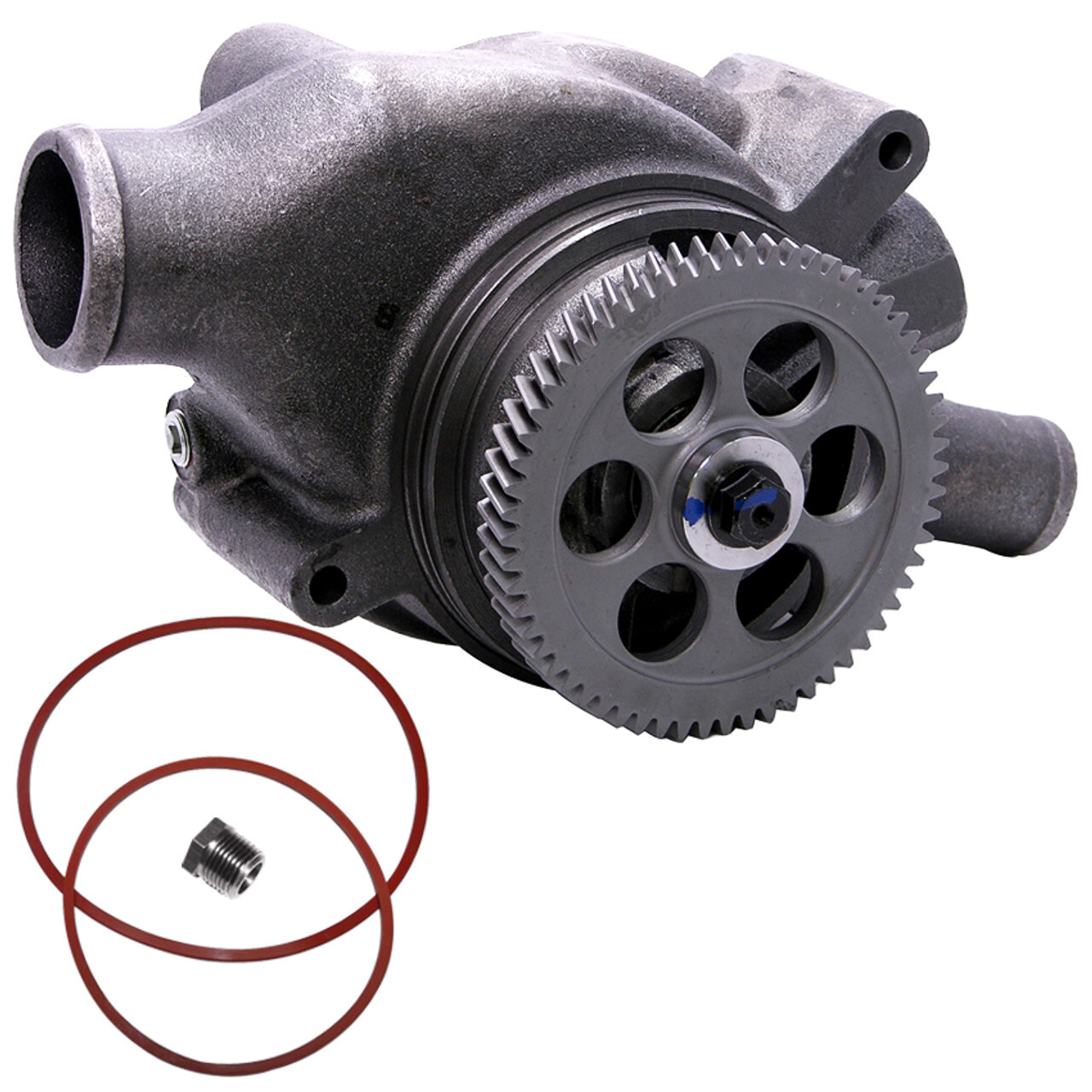
The DD Platform Architecture
The DD series engines (DD13, DD15, and DD16) share a common architectural foundation that simplifies maintenance and parts inventory for fleet operators. All three engines feature inline six cylinder configurations with dual overhead camshafts, four valves per cylinder, and advanced electronic controls managed by the Detroit Diesel Electronic Control (DDEC) system.
Key shared features across the DD platform include:
The Amplified Common Rail System (ACRS) delivers precise fuel injection at pressures up to 38,000 PSI, optimizing combustion efficiency while reducing emissions. This system works in concert with the DDEC electronics to adjust injection timing and duration based on operating conditions.
Variable geometry turbochargers provide optimal boost pressure across the entire RPM range, improving throttle response and fuel economy compared to fixed geometry designs. The turbo actuator adjusts vane position electronically, allowing the engine management system to fine tune performance in real time.
Integrated exhaust aftertreatment combines diesel oxidation catalyst (DOC), diesel particulate filter (DPF), and selective catalytic reduction (SCR) technologies in a compact package that meets current EPA and CARB emissions standards while minimizing maintenance requirements.
Engine Specifications Comparison
Understanding the specifications of each Detroit Diesel engine helps operators select the right powerplant for their application and anticipate maintenance requirements.
Detroit DD13 Specifications: Displacement of 12.8 liters with horsepower ratings from 350 to 505 HP and torque output reaching 1,750 lb ft. This engine targets regional haul, vocational, and pickup and delivery applications where a balance of power and fuel economy matters most.
Detroit DD15 Specifications: Displacement of 14.8 liters with horsepower ratings from 400 to 505 HP and torque output reaching 1,850 lb ft. The DD15 represents the most popular choice for long haul trucking, offering the best combination of power, efficiency, and reliability for over the road operations.
Detroit DD16 Specifications: Displacement of 15.6 liters with horsepower ratings up to 600 HP and torque output reaching 2,050 lb ft. This engine serves heavy haul, vocational, and severe duty applications where maximum power and pulling capability take priority over fuel economy.
Detroit Series 60 Specifications: Available in 11.1, 12.7, and 14.0 liter displacements with horsepower ratings from 300 to 515 HP depending on model year and configuration. Though no longer in production, the Series 60 remains widely used across North America and earned recognition as one of the most reliable diesel engines ever built.
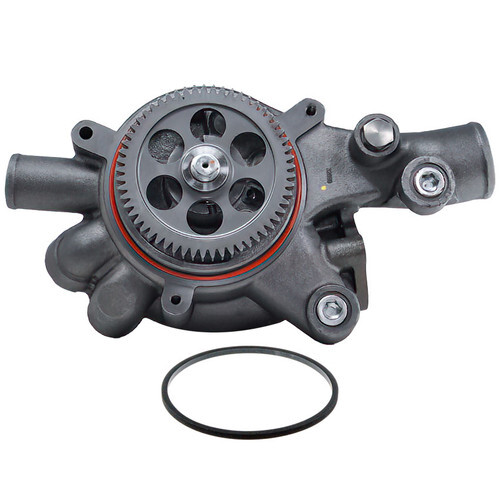
Detroit DD13: The Versatile Workhorse
The Detroit DD13 builds upon proven technology to deliver industry leading power and productivity in a compact, fuel efficient package. Designed for regional haul, vocational, and urban delivery applications, the DD13 offers the versatility to handle diverse operating conditions while maintaining competitive fuel economy.
Key Features and Innovations
The DD13 incorporates several engineering advancements that distinguish it from competitors in the medium duty diesel segment.
Ultra high compression ratios combined with a swirl piston design create better combustion, reducing ash production and improving fuel economy by up to four percent compared to previous generation engines. The 10 pin injector design provides precise fuel delivery with multiple injection events per combustion cycle.
Detroit's proprietary turbocharger features variable geometry vanes controlled by an electronic actuator. This design eliminates turbo lag during acceleration while maintaining optimal boost pressure at all engine speeds. The integrated wastegate prevents over boosting during high load conditions.
The DDEC electronic control system manages all engine functions while collecting diagnostic data that technicians can access for troubleshooting. The system stores fault codes with freeze frame data, allowing accurate diagnosis of intermittent problems.
Common DD13 Problems and Solutions
While the DD13 has earned a reputation for reliability, certain issues appear more frequently than others across the fleet population.
EGR System Clogging: The exhaust gas recirculation system on DD13 engines tends to accumulate carbon deposits over time, particularly in trucks operating primarily in urban environments with frequent stop and go driving. Symptoms include reduced power output, increased exhaust smoke, and illumination of the check engine light. Regular DPF and EGR cleaning at recommended intervals helps prevent this issue, and using low ash engine oil reduces deposit formation.
Turbo Actuator Failures: Electronic turbo actuators can fail due to excessive soot exposure or electrical issues, preventing proper vane positioning and affecting boost control. Common symptoms include decreased engine power, unusual noises from the turbo area, and warning lights on the dashboard. Replacing the actuator and addressing any underlying causes of excessive soot typically resolves the problem.
Fuel Injector Wear: Misfiring cylinders, fuel dilution in the oil, or excessive white smoke often indicate injector issues on DD13 engines. Conducting injector balance tests and oil sampling during routine maintenance helps identify failing injectors before they cause additional damage. Most operators plan to replace injectors as a set around the 300,000 to 400,000 kilometer mark.
Crankcase Breather System Problems: When the crankcase breather system becomes clogged, pressure builds inside the engine, forcing oil through seals and gaskets. This causes external leaks and can trigger emissions violations. Replacing the crankcase breather filter every 100,000 kilometers or sooner in high load applications provides an inexpensive preventive measure with significant returns.
Detroit DD15: The Industry Standard
The DD15 engine has earned its position as the most popular Class 8 diesel engine in North America through a combination of proven reliability, excellent fuel economy, and strong performance across diverse applications. Building upon the Detroit heavy duty engine legacy, the DD15 brings efficiency and performance to the next level.
Engineering Excellence
The DD15 incorporates several innovative features that contribute to its market leading position.
Turbo compounding technology captures energy from exhaust gases that would otherwise be wasted, converting it into mechanical power that assists the crankshaft. This system improves fuel efficiency by recovering heat energy while reducing exhaust temperatures reaching the aftertreatment system.
The wide, flat torque curve pulls strong all the way down below 1000 RPM, making the DD15 ideally suited for downspeeding applications where lower engine speeds reduce fuel consumption and component wear. Peak torque arrives at just 975 RPM in some configurations, remarkably low for an engine of this displacement.
Dual overhead camshafts operate 24 valves through a direct acting configuration that eliminates pushrods and rocker arms, reducing mechanical complexity and improving reliability. One camshaft actuates the intake valves while the other controls exhaust valves.
The integrated Jacobs engine brake offers three levels of quieter engine braking for enhanced downhill control and shorter stopping distances. This system reduces wear on service brakes while providing additional vehicle control in mountainous terrain.
Common DD15 Problems and Solutions
Despite its excellent reputation, the DD15 experiences certain failure modes that fleet operators and technicians should understand.
Low Oil Pressure After High Mileage: The DD15 engine may experience reduced oil pressure after accumulating more than half a million miles. This occurs because the O rings in the oil suction manifold harden over time and lose their ability to maintain an adequate seal. When the O rings lose suction strength, you need to replace them by dropping the oil pan and replacing each individual component. Many shops mistakenly assume oil pump failure causes this symptom and recommend unnecessary expensive repairs, so accurate diagnosis matters greatly.
Cylinder Liner O Ring Leaks: A common problem with DD15 engines involves leaking upper or bottom O rings on the cylinder liners. When the bottom O ring leaks, coolant enters the oil, potentially contaminating the lubrication system and causing bearing damage. When coolant mixes with oil, the crankshaft must be inspected for damage before reassembly. Detroit has performed warranty in frame repairs on many trucks experiencing this issue.
Water Manifold Gasket Failures: The aluminum water manifold sits within a quarter inch of the exhaust manifold, creating significant thermal stress during operation. Exhaust manifolds can reach cherry red temperatures during mountain pulls, transferring substantial heat to the water manifold. The gasket sealing these components can fail, causing coolant leaks on the exhaust side of the engine. This major repair often requires 33 hours of labor according to standard repair time guides.
Starting Issues After Service: Service stations sometimes fail to properly prime DD15 engines after routine maintenance, causing starting problems shortly after the PM service. Detroit does not recommend using starter fluid with these engines because ether, brake cleaner, and similar volatile chemicals can cause serious damage when contacting incandescent components. Using only Detroit approved priming tools prevents this issue.
Rocker Assembly Wear: The aluminum rocker assembly housing on DD15 engines contains no cam bearings. Detroit considers this housing a wear item, though replacement costs approximately $1,600. Visible wear on cam journals can appear at oil change intervals as short as 50,000 miles, potentially requiring cam replacement when installing a new rocker assembly.
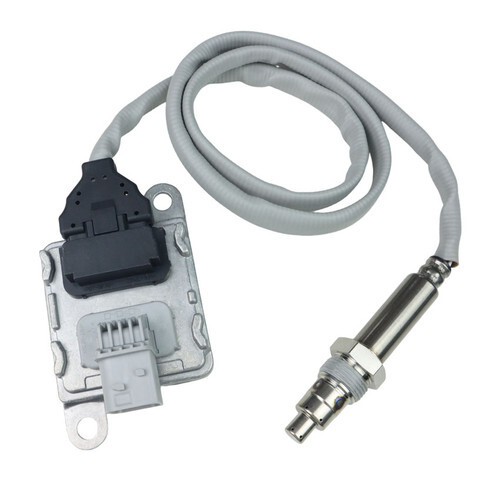
Detroit DD16: Maximum Power for Heavy Haul
The Detroit DD16 represents the biggest, toughest, most powerful engine Detroit has ever produced. With a wide, flat torque curve delivering up to 2,050 lb ft and 600 HP, the DD16 tackles the hardest jobs while performing with fuel efficiency and reliability. This engine was born to pull huge loads up hills.
Heavy Haul Engineering
The DD16 incorporates specialized features designed for severe-duty applications where maximum performance takes priority.
The 15.6-liter displacement provides the foundation for extreme power output, while second-generation Amplified Common Rail technology operating at 38,000 PSI ensures precise fuel delivery under all conditions. This high injection pressure enables complete combustion even under the highest loads.
Turbo compounding recovers heat from exhaust gases, transforming lost potential into bonus power that assists the crankshaft. This technology improves fuel efficiency while providing additional power for climbing grades with heavy loads.
The DDEC electronic control system manages fuel economy, engine performance, driving efficiency, and maintenance scheduling while helping drivers control speed, assisting in passing maneuvers, improving shifting techniques, and managing DPF regeneration cycles.
All systems work together with EGR and Detroit's 1 Box exhaust aftertreatment technology to meet current emissions standards while maintaining the power and reliability heavy haul operators demand.
DD16 Reliability and Known Issues
Owner operators and fleet managers running DD16 engines report generally positive experiences with few major problems.
Emissions System Components: Some operators report issues with aftertreatment system components after several years of operation, including one box replacements and associated injector replacements. Extended warranties covering engine and aftertreatment components provide protection against these potentially expensive repairs.
Water Pump Replacement: Water pumps typically require replacement around the four year mark under heavy duty operation. This represents normal wear for engines operating under severe duty conditions with high thermal loads.
Oil Leaks: External oil leaks around the oil pan and oil filter housing can develop over time. These leaks require attention to prevent oil loss and maintain proper lubrication system function.
DEF System Concerns: Like all modern diesel engines meeting current emissions standards, the DD16 utilizes diesel exhaust fluid injection for NOx reduction. Some operators report higher than expected DEF consumption rates, though this varies significantly based on operating conditions and driving style.
Detroit Series 60: The Legacy Powerplant
The Detroit Series 60 engine began production in 1987 and continued until 2011, establishing itself as one of the most successful diesel engines in North American trucking history. This electronically controlled engine ranked second in Diesel Power Magazine's "Best Diesel Engine Ever" list and remained the most popular heavy duty diesel engine on the continent for nearly two decades starting in 1992.
A Revolutionary Design
The Series 60 introduced several innovations that influenced diesel engine development for decades.
Full electronic control integration represented a first for heavy duty diesel engines when the Series 60 debuted. The DDEC system managed fuel injection timing, duration, and pressure while monitoring engine conditions and storing diagnostic information.
The inline six cylinder design with four valves per cylinder, wet cylinder liners, and seven main bearings provided a robust foundation that proved capable of exceeding 500,000 mile overhaul intervals. Detroit initially recommended major overhaul at 500,000 miles but later extended this to 750,000 miles as engines demonstrated exceptional durability in real world operation.
Three displacement variants served different market segments: the 11.1 liter engine found popularity in bus applications, the 12.7 liter became the primary motorcoach powerplant, and the 14.0 liter dominated the semi truck market after its introduction in 2001.
Common Series 60 Problems and Solutions
Though no longer in production, the Series 60 remains widely used, making knowledge of common failure modes valuable for operators and technicians.
Wrist Pin Failures (Pre 2002): A defect in some wrist pins led to separation of the piston pin and crown on certain engines built before 2002. This separation allowed the connecting rod to disconnect, and loose components would damage the engine block by creating holes through it. Not all pre 2002 engines experienced this issue, but it could cause catastrophic failure when it occurred.
Low Oil Pressure at Idle (Pre 1997): Detroit designed the Series 60 to idle at very low speed for fuel savings, but it took about ten years to recognize that idle speed was insufficient to operate the oil pump properly. Many older engines had lower engine bearings replaced multiple times due to oil starvation at idle. Avoiding prolonged idling and maintaining proper oil level and viscosity helps prevent this problem.
EGR Cooler Leaks: Older Series 60 engines are prone to coolant leakage in the EGR system. Though not immediately severe, this can lead to white tailpipe smoke, mild overheating, and coolant loss over time. Coolant loss eventually becomes severe enough to cause serious overheating and shutdown, making EGR leak repair a priority.
Cold Start Issues: Series 60 engines can lose prime and experience starting problems in cold temperatures. Proper priming after fuel filter changes and maintaining the fuel system in good condition helps prevent cold start difficulties.
Throttle Control Issues: The Series 60 pioneered drive by wire technology in heavy duty diesels, eliminating mechanical connections between the throttle pedal and engine. Some owners with aftermarket engine brakes have found that the brake requires different computer programming than standard configurations. Glitches in this system can lead to complete loss of throttle control.
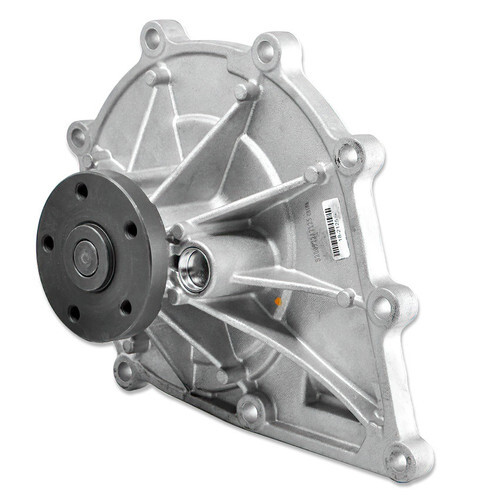
Top 10 Common Problems Across Detroit Diesel Engines
Understanding the most frequent failure modes across the Detroit engine family helps operators and technicians prioritize inspections and preventive maintenance activities.
1. Oil System Pressure Issues
Low oil pressure represents one of the most common complaints across all Detroit Diesel engines, though the underlying causes vary by platform. On DD15 engines, hardened O rings in the oil suction manifold typically cause pressure loss after 500,000 miles. On Series 60 engines, low idle speed settings on pre 1997 models contributed to bearing damage from oil starvation.
Prevention involves maintaining proper oil change intervals, using manufacturer specified oil grades, and avoiding prolonged idling. When low pressure symptoms appear, accurate diagnosis before parts replacement saves significant money. Replacing O rings costs far less than replacing an oil pump that tests within specification.
2. EGR System Failures
Exhaust gas recirculation systems on all modern Detroit engines experience clogging, cooler failures, and valve malfunctions. Heavy carbon buildup restricts exhaust flow and reduces EGR effectiveness, potentially triggering derates or check engine lights. Cooler failures allow coolant to enter the intake manifold, risking hydrostatic lock damage if coolant accumulates in cylinders.
Regular DPF and EGR cleaning at recommended intervals prevents most problems. Using low ash engine oil reduces carbon deposit formation. Inspecting the EGR valve and cooler for leaks during routine maintenance catches problems early.
3. Turbocharger Problems
Variable geometry turbocharger issues affect all DD platform engines as well as turbocharged Series 60 variants. Common failure modes include bearing failure from oil starvation or contamination, actuator problems from carbon buildup or electrical faults, and compressor wheel damage from foreign object ingestion.
The turbo shaft spins at extremely high speeds up to 200,000 RPM and requires clean, pressurized oil for lubrication and cooling. Always replace oil and filters when installing a new or rebuilt turbocharger, as contaminated oil is the leading cause of repeat turbocharger failures.
4. Fuel Injector Failures
Fuel injector problems manifest as misfiring cylinders, rough running, excessive smoke, poor fuel economy, and hard starting. On HEUI equipped engines like the 7.3L and 6.0L Powerstroke derivatives, injector failures often relate to oil system problems since high pressure oil actuates the injectors.
Modern common rail injectors on DD platform engines operate at extremely high pressures and require quality fuel to achieve design life. Conducting injector balance tests during routine maintenance identifies failing units before they cause additional damage. Planning for injector replacement as a set around 300,000 to 400,000 miles provides predictability for maintenance budgeting.
5. Aftertreatment System Issues
Diesel particulate filter clogging, selective catalytic reduction system malfunctions, and diesel exhaust fluid quality problems affect all modern Detroit engines meeting EPA 2010 and later emissions standards.
Fuel quality issues contribute to DPF problems. Ultra low sulfur diesel with high aromatic content or certain biodiesel blends can increase soot production. Engine problems causing excessive soot output, such as worn injectors or turbocharger issues, accelerate DPF loading.
DEF quality matters significantly for SCR system longevity. Using contaminated or improperly stored diesel exhaust fluid can damage the catalyst and trigger expensive repairs. Never allow diesel fuel to enter the DEF tank, as this causes the urea to turn into a wax like substance requiring complete system replacement.
6. Cooling System Failures
Water pump failures, thermostat malfunctions, and coolant contamination affect all Detroit Diesel engines. The cooling system must handle tremendous heat loads from both combustion and EGR recirculation while maintaining stable operating temperatures across varying ambient conditions and load levels.
Detroit Diesel engines use coolant to reduce the temperature of exhaust gases passing through the EGR cooler before they reenter the intake manifold. EGR coolers can reach temperatures exceeding 1,200 degrees Fahrenheit, placing significant demands on the cooling system.
Regular coolant changes, proper antifreeze mixture maintenance, and inspection of hoses and connections during routine service prevents most cooling system problems. Water pumps typically require replacement between 50,000 and 100,000 miles depending on operating conditions, with severe duty applications requiring more frequent replacement.
7. Electronic Control Module Issues
ECM failures can transform reliable engines into unpredictable problems on wheels. The electronic control module manages critical functions including fuel injection, engine timing, and emissions control on all Detroit Diesel engines.
Common symptoms of ECM problems include multiple warning lights, electrical system glitches, starting difficulties, and irregular emissions. Environmental factors such as moisture infiltration, vibration, and extreme temperatures can damage ECM components over time. Operating engines at maximum capacity for extended periods generates excessive heat and stress that shortens ECM lifespan.
Regular maintenance, using high quality parts and fluids, and avoiding sustained maximum load operation help protect the ECM. When ECM problems occur, professional diagnostic equipment provides accurate fault code interpretation and troubleshooting guidance.
8. Sensor Failures
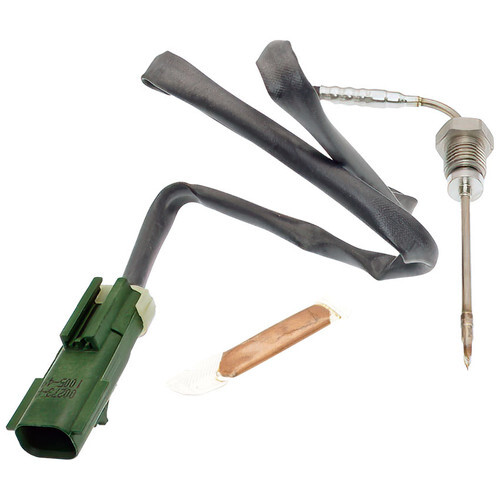
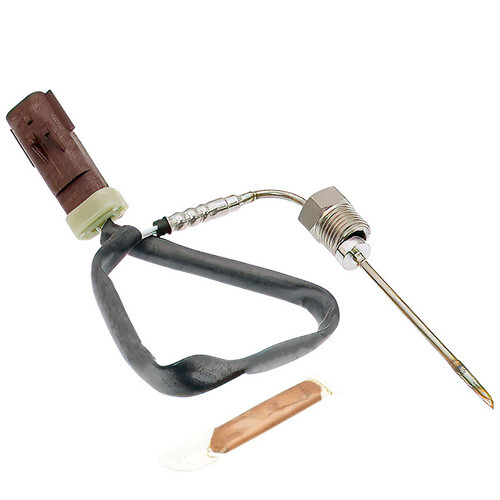
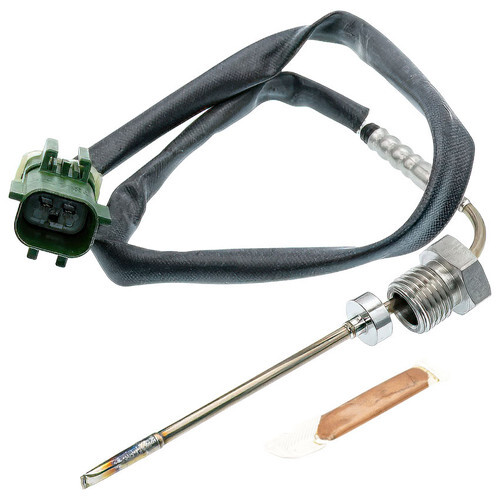
Modern Detroit Diesel engines rely on numerous sensors for proper operation, including mass airflow sensors, throttle position sensors, engine coolant temperature sensors, exhaust gas temperature sensors, and many others. Faulty sensors send incorrect data that causes the ECM to make improper adjustments.
Symptoms of sensor failures include rough engine performance, poor fuel economy, check engine lights with codes indicating sensor faults, and inconsistent readings from diagnostic tools. Wear and tear, contamination from debris, oil, or fuel residues, and loose or damaged wiring all contribute to sensor failures.
Cleaning or replacing faulty sensors, ensuring secure connections, and using diagnostic tools to verify sensor accuracy after replacement resolves most sensor related problems.
9. Intake System Problems
The air intake system in Detroit engines includes turbocharger compressor output, charge air cooling, intake manifold distribution, and various sensors and actuators. Leaks, restrictions, or sensor failures significantly affect engine performance and emissions compliance.
Intake manifold leaks allow unmetered air into the system, affecting fuel mixture and reducing power. Charge air cooler problems reduce charge density and engine output. Restricted air filters increase pumping losses and reduce efficiency.
Regular inspection of intake system components, prompt replacement of damaged hoses or gaskets, and timely air filter changes maintain intake system integrity.
10. Oil Leaks
External oil leaks develop on all Detroit Diesel engines over time, occurring around seals, gaskets, turbocharger oil lines, and other connection points. While small leaks may seem minor, they indicate seal deterioration and can quickly worsen.
Common leak locations include the oil pan gasket, valve cover gaskets, front and rear main seals, turbocharger oil supply and return lines, and oil cooler connections. Addressing leaks promptly prevents oil loss that could lead to low pressure conditions and engine damage.
Cooling System Failures and Water Pump Replacement
The cooling system performs critical functions beyond simply preventing overheating. Understanding how diesel engine cooling systems work helps operators recognize problems early and make informed maintenance decisions.
How Diesel Engine Cooling Systems Work
Diesel engines generate tremendous amounts of heat during combustion. Peak cylinder temperatures can exceed 4,000 degrees Fahrenheit during the power stroke. Without effective cooling, this heat would quickly destroy engine components.
The water pump circulates coolant through passages in the engine block and cylinder heads, absorbing heat from critical components before carrying it to the radiator for dissipation. This circulation must maintain precise temperature control across varying load conditions and ambient temperatures.
In modern diesel engines, coolant also cools exhaust gas being recycled through the engine via the EGR cooler. The EGR system redirects a portion of exhaust gases back into the intake manifold to reduce combustion temperatures and lower nitrogen oxide emissions. However, exhaust gases leaving the combustion chamber can exceed 1,200 degrees Fahrenheit. The EGR cooler must reduce this temperature before the gases enter the intake, placing additional demands on the cooling system.
Water Pump Function and Failure Modes
The water pump serves as the heart of the cooling system, maintaining proper coolant circulation throughout the engine. Mechanical water pumps use a belt driven impeller to move coolant, while some modern applications incorporate electric auxiliary pumps for specific cooling circuits.
Common water pump failure modes include:
Bearing Failure: The pump shaft bearing supports high rotational loads while maintaining precise alignment. Contaminated coolant, overheating events, and simple wear eventually cause bearing failure, resulting in noise, leaks, or complete pump seizure.
Seal Failure: The shaft seal prevents coolant leakage where the rotating shaft passes through the pump housing. Age, contaminated coolant, and cavitation damage the seal over time, causing external leaks.
Impeller Erosion: The impeller moves coolant through the system using centrifugal force. Cavitation, contaminated coolant, and abrasive particles erode impeller surfaces, reducing pump efficiency and flow rate.
Cavitation Damage: Low system pressure, air leaks, or restricted flow can cause coolant to vaporize and collapse at the impeller surface, creating destructive shock waves that erode pump components.
Water Pump Replacement Intervals
Water pump replacement intervals vary based on engine model, operating conditions, and coolant maintenance practices. Detroit Diesel engines typically require water pump replacement between 50,000 and 100,000 miles, with severe duty applications at the shorter end of this range.
Factors that accelerate water pump wear include extended high load operation, frequent overheating events, contaminated or improperly mixed coolant, and cavitation from system air leaks or flow restrictions.
Bostech offers high quality replacement water pumps for Detroit Diesel engines including the DD13, DD15, DD16, and Series 60 platforms. These pumps feature quality engineered bearings, durable seals, and upgraded impellers designed to meet or exceed original equipment specifications. The 24 month unlimited mileage warranty provides confidence in product quality and long service life.
Cooling System Maintenance Best Practices
Proper cooling system maintenance extends water pump life and prevents costly failures.
Maintain proper coolant mixture with the correct antifreeze concentration for your operating environment. Check coolant concentration at least annually and adjust as needed. Use coolant meeting manufacturer specifications for your engine.
Change coolant at recommended intervals, typically every 24 to 36 months or as specified in the maintenance schedule. Degraded coolant loses corrosion protection and heat transfer capability, accelerating component wear throughout the cooling system.
Inspect hoses, clamps, and connections during every service interval. Replace damaged or deteriorated hoses before they fail, and ensure clamps maintain proper tension.
Check for air leaks in the system that can cause cavitation and pump damage. Pressure test the cooling system periodically to verify system integrity.
Monitor coolant temperature during operation and investigate any abnormal readings promptly. Catching cooling system problems early prevents expensive damage to engines and related components.
EGR and Aftertreatment System Issues
Modern diesel engines meeting EPA 2010 and later emissions standards incorporate sophisticated exhaust gas recirculation and aftertreatment systems that require proper maintenance to function reliably. Understanding these systems helps operators prevent problems and address issues effectively when they occur.
How EGR Systems Work
Exhaust gas recirculation reduces nitrogen oxide emissions by diluting the intake charge with inert exhaust gases. This lowers peak combustion temperatures, reducing the conditions that form NOx pollutants.
The EGR cooler reduces exhaust gas temperature before recirculation using engine coolant as a heat sink. Exhaust gases pass through tubes surrounded by coolant, transferring heat that eventually dissipates through the radiator.
The EGR valve controls the amount of exhaust gas entering the intake based on commands from the engine management system. Operating conditions, load, and emissions requirements all influence EGR valve position.
Common EGR Problems
EGR system problems rank among the most frequent issues affecting modern Detroit Diesel engines.
EGR Cooler Failures: The Ford 6.0L Powerstroke made EGR cooler failures infamous, but similar problems affect Detroit engines as well. The factory cooler design uses cooling tubes subject to thermal stress from extreme temperature cycling. Each time the EGR valve opens, extremely hot exhaust flows into the cooler. If coolant flow is insufficient or the cooler has a weak spot, the temperature difference can crack tubes or brazed joints.
When an EGR cooler fails internally, coolant leaks into the exhaust stream or intake manifold. Symptoms include white smoke from the exhaust, coolant loss without visible external leaks, overheating, and reduced efficiency. Severe failures can allow enough coolant into cylinders to cause hydrostatic lock damage.
EGR Valve Clogging: Carbon deposits accumulate on EGR valves over time, particularly in engines operating primarily at light loads or with frequent idle periods. Clogged valves cannot achieve proper position, affecting emissions and potentially triggering fault codes or derates.
EGR Differential Pressure Sensor Issues: The differential pressure sensor monitors exhaust flow through the EGR system. Plugged sensor ports or tubes commonly cause fault codes and derates. Inspecting and cleaning these components often resolves problems without parts replacement.
Aftertreatment System Overview
The aftertreatment system treats exhaust gases after they leave the engine to meet emissions standards. Modern Detroit engines use a combination of technologies packaged in a single aftertreatment module.
Diesel Oxidation Catalyst (DOC): The DOC oxidizes hydrocarbons and carbon monoxide in exhaust gases while raising exhaust temperature to enable DPF regeneration.
Diesel Particulate Filter (DPF): The DPF captures soot particles from exhaust gases, storing them until regeneration burns the accumulated material. Regeneration occurs automatically during normal operation or through parked regeneration when conditions require.
Selective Catalytic Reduction (SCR): The SCR system injects diesel exhaust fluid into the exhaust stream where it reacts with a catalyst to convert nitrogen oxides into harmless nitrogen and water vapor.
Aftertreatment System Maintenance
Proper aftertreatment maintenance prevents many common problems and extends component life.
Use high quality ultra low sulfur diesel fuel meeting manufacturer specifications. Fuel quality directly impacts soot production and aftertreatment system loading.
Use only DEF meeting ISO 22241 standards from reputable suppliers. Contaminated or degraded DEF damages SCR catalysts and can trigger expensive repairs. Store DEF properly to prevent contamination and degradation.
Allow automatic regeneration cycles to complete when possible. Frequently interrupting regeneration cycles leads to excessive soot accumulation requiring manual intervention.
Address engine problems that cause excessive soot production promptly. Worn injectors, turbocharger problems, and other issues that increase particulate output accelerate DPF loading and increase regeneration frequency.
The DPF ash clean interval for Detroit DD platform engines is approximately 600,000 kilometers or 8,250 hours. A check engine light will illuminate when ash requires removal.
Bostech offers high quality EGR coolers for Detroit Diesel engines with robust construction and warranty coverage. These coolers feature upgraded designs addressing common failure modes found in original equipment components, providing improved durability and longer service life.
Turbocharger Failure Symptoms and Diagnostics
Turbochargers play a critical role in modern diesel engine performance, providing the boost pressure necessary for efficient combustion and emissions compliance. Understanding turbocharger operation, failure modes, and diagnostic procedures helps operators catch problems early and avoid expensive collateral damage.
How Diesel Turbochargers Work
Turbochargers use exhaust energy to compress intake air, increasing the amount of oxygen available for combustion. More oxygen allows more fuel to burn, increasing power output without requiring a larger displacement engine.
Exhaust gases spin the turbine wheel, which connects through a shaft to the compressor wheel. The compressor draws in ambient air and pressurizes it before sending it through the charge air cooler and into the intake manifold.
Variable geometry turbochargers on Detroit DD engines use adjustable vanes to control exhaust flow to the turbine. At low engine speeds, the vanes close to increase exhaust velocity and maintain boost pressure. At high speeds, the vanes open to reduce backpressure and prevent over boosting. An electronic actuator positions the vanes based on commands from the engine management system.
Common Turbocharger Problems
Turbocharger problems on Detroit Diesel engines generally fall into several categories.
Bearing Failure: The turbo shaft spins at extreme speeds up to 200,000 RPM, requiring continuous lubrication from engine oil. Any interruption in oil supply or contamination of the oil causes rapid bearing wear and failure. Symptoms include excessive shaft play, unusual noise, oil leaks, and eventually smoke from burning oil in the intake or exhaust.
Oil starvation occurs from clogged oil supply lines, low oil level, or improper priming after service. Contamination comes from dirty oil, worn engine components sending debris into the oil system, or failure to change oil and filters when installing a replacement turbocharger.
Actuator Problems: The variable geometry actuator can stick or fail due to carbon buildup, corrosion, or electrical issues. When the actuator cannot position the vanes properly, the engine loses boost control. Symptoms include reduced power, turbo surge, over boosting, or under boosting.
Electronic actuator failures trigger diagnostic codes that identify the specific problem. Mechanical sticking from carbon buildup sometimes responds to cleaning, though severely contaminated actuators require replacement.
Compressor Damage: Foreign objects entering the air intake can damage compressor wheel blades, causing vibration and reduced efficiency. Even small objects like nuts, bolts, or debris from disintegrating air filters cause significant damage at turbocharger speeds.
Compressor surge from operating outside the efficient flow range also damages compressor components. Proper boost control and avoiding conditions that cause surge prevents this type of damage.
Turbine Damage: Exhaust leaks upstream of the turbocharger reduce exhaust energy available to drive the turbine. Internal engine problems that cause abnormal exhaust conditions, such as excessive fuel or coolant in the exhaust, can damage turbine components.
Turbocharger Diagnostic Procedures
Diagnosing turbocharger problems requires systematic evaluation of the turbo and related systems.
Visual Inspection: Check for oil leaks around the turbocharger housing, intake, and exhaust connections. Examine the compressor inlet for debris or damage. Look for signs of rubbing or contact between rotating and stationary components.
Shaft Play Check: With the engine off, check for excessive radial and axial play in the turbocharger shaft. Some play is normal, but excessive movement indicates bearing wear.
Boost Pressure Testing: Compare actual boost pressure to specifications using diagnostic equipment. Low boost pressure may indicate turbocharger problems, intake leaks, or exhaust restrictions. High boost pressure suggests actuator problems or stuck vanes.
Actuator Testing: Diagnostic tools can command actuator movement to verify proper operation. The actuator should move smoothly through its full range of travel without sticking or hesitation.
Oil Supply Verification: Ensure adequate oil pressure reaches the turbocharger. Restricted oil supply lines cause bearing damage even when engine oil pressure measures normal at the gauge.
Fuel System Maintenance Best Practices
The fuel system delivers precisely metered fuel to the engine at extremely high pressures, making proper maintenance essential for reliable operation and long component life. Modern Detroit Diesel engines use sophisticated common rail fuel systems operating at pressures up to 38,000 PSI.
Fuel System Components and Function
Understanding fuel system components helps operators recognize problems and perform effective maintenance.
Fuel Lift Pump: The lift pump draws fuel from the tank and delivers it to the high pressure pump at low pressure. Most systems include a water separator and primary filter in this circuit.
High Pressure Fuel Pump: The high pressure pump pressurizes fuel to injection pressure, typically 20,000 to 38,000 PSI depending on the specific system and operating conditions. This pump receives fuel from the lift pump and delivers it to the common rail.
Common Rail: The rail stores pressurized fuel and distributes it to individual injectors. A pressure sensor monitors rail pressure, and a pressure control valve regulates system pressure based on engine management commands.
Fuel Injectors: Each cylinder has a dedicated injector that receives high pressure fuel from the common rail. The engine management system controls injection timing and duration through solenoid or piezoelectric actuators in each injector.
Fuel Quality Requirements
Fuel quality directly impacts fuel system longevity and engine performance. Using quality fuel and maintaining clean fuel handling practices prevents many expensive repairs.
Use only ultra low sulfur diesel fuel meeting ASTM D975 specifications. Higher sulfur content damages aftertreatment components and increases emissions.
Avoid fuel contamination from water, dirt, or other substances. Water in fuel causes injector damage and promotes microbial growth in fuel tanks. Keep tank vents clean and properly sealed, and drain water separators regularly.
Purchase fuel from reputable suppliers with high turnover. Stale fuel degrades and may contain higher levels of contaminants.
Consider fuel additives that provide additional lubricity, water dispersal, or cold weather protection as appropriate for your operating conditions. Consult manufacturer recommendations for compatible additive products.
Fuel Filter Maintenance
Fuel filter replacement represents one of the most important preventive maintenance activities for diesel engines.
Primary filters typically mount between the fuel tank and lift pump, protecting the pump from large particles and water contamination. Replace primary filters at recommended intervals or sooner if operating in contaminated fuel conditions.
Secondary filters mount between the lift pump and high pressure pump, providing final filtration before fuel enters the high pressure system. These filters must remove particles small enough to damage precision injector components.
Detroit DD platform engines allow oil and fuel filter changes at up to 50,000 mile intervals under ideal conditions, the longest scheduled maintenance interval in the class. However, severe duty operation, dusty conditions, or questionable fuel quality warrant more frequent filter replacement.
Always prime the fuel system properly after filter changes. Air trapped in the fuel system can damage high pressure pump components and cause hard starting or no start conditions.
Injector Maintenance
Fuel injectors represent some of the most precisely manufactured components in diesel engines and require proper care to achieve design life.
Use only high quality fuel meeting manufacturer specifications. Contaminants, water, and fuel additives not compatible with modern injection systems cause premature injector wear.
Maintain proper fuel pressure. Low fuel supply pressure increases injector wear and can cause damage to high pressure pump components.
Address fuel system problems promptly. Debris from failing components circulates through the system, potentially damaging other injectors and the high pressure pump.
Plan for injector replacement as a maintenance item rather than waiting for failure. Most operators budget for injector replacement around 300,000 to 400,000 miles depending on operating conditions.
Bostech offers remanufactured fuel injectors for Detroit Diesel engines that meet original equipment specifications. Every injector undergoes complete disassembly, cleaning, inspection, and testing to ensure proper performance. The 13 month unlimited mileage warranty provides confidence in product quality.
Preventive Maintenance Schedules for Fleet Operations
Establishing and following proper preventive maintenance schedules maximizes fleet uptime while minimizing total maintenance costs. Detroit Diesel engines feature extended maintenance intervals compared to earlier generation engines, but proper scheduling remains essential.
Daily Inspection Checklist
Drivers should perform daily checks before beginning operations to catch problems early.
Check engine oil level and condition. Look for abnormal color or consistency that might indicate contamination.
Verify coolant level in the overflow tank. Consistent coolant loss indicates a leak requiring investigation.
Inspect the engine compartment for visible leaks, loose components, or damage.
Check air filter restriction indicators where equipped. Restricted filters reduce power and increase fuel consumption.
Verify proper operation of dashboard warning lights and gauges during startup.
Listen for unusual engine noises during warm up and initial operation.
Oil and Filter Change Intervals
Detroit DD platform engines can achieve up to 50,000 mile oil and filter change intervals when using approved oils and maintaining proper operating conditions. However, actual intervals depend on application severity.
Long Haul Operations (Over 60,000 annual miles): These applications typically achieve maximum intervals when using approved CK 4 or FA 4 oils. Oil analysis helps verify that extended intervals remain appropriate for specific operating conditions.
Short Haul Operations (30,000 to 60,000 annual miles): Shorter intervals may be appropriate due to increased idle time, lower average operating temperatures, and more frequent cold starts.
Severe Duty Operations (Under 30,000 annual miles or under 5 MPG average): These applications require shorter intervals due to extreme operating conditions, high idle percentages, or severe contamination exposure.
Oil analysis programs help optimize change intervals by monitoring oil condition and contamination levels. Detroit recommends oil analysis when using extended drain intervals.
Scheduled Maintenance Milestones
Detroit Diesel maintenance schedules establish specific inspection and replacement intervals for various components.
Every Oil Change: Replace oil and filter, inspect air filter, check coolant condition and concentration, inspect belts and hoses, check for leaks, verify proper warning light operation.
Every 100,000 Miles: Inspect cooling system components including water pump, thermostat, and hoses. Check turbocharger operation. Inspect exhaust system for leaks or damage. Service the crankcase breather system.
Every 300,000 Miles: Consider preventive replacement of high wear items including water pump, thermostat, belt tensioner, and coolant hoses. Evaluate injector condition through balance testing. Inspect turbocharger for wear.
Every 500,000 Miles: Evaluate engine condition and plan for potential in frame overhaul. Review component history and consider preventive replacement of items approaching end of expected service life.
DPF Ash Cleaning Schedule
The diesel particulate filter accumulates ash from oil consumption that cannot be removed through regeneration. Detroit specifies ash cleaning intervals of approximately 600,000 kilometers (375,000 miles) or 8,250 hours.
A check engine light indicates when ash accumulation requires service. Ignoring ash warnings eventually causes DPF plugging that may require expensive replacement rather than cleaning.
Documentation and Record Keeping
Proper maintenance documentation supports warranty claims, resale value, and operational planning.
Record all maintenance activities including date, mileage, work performed, and parts used. Maintain receipts for warranty documentation.
Track component replacement history to anticipate future needs and identify problem patterns.
Document any repairs or unusual findings during routine maintenance.
Use fleet management software or maintenance tracking systems for larger operations.
Cost Analysis: Repair vs. Rebuild vs. Replace
When major engine problems occur, operators must decide between repair, rebuild, and replacement options. Understanding the costs and trade offs helps make informed decisions that minimize total cost of ownership.
Repair Cost Considerations
Targeted repairs address specific failed components without disturbing other engine systems.
Common repair costs for Detroit Diesel engines include:
Water Pump Replacement: Parts cost from $300 to $800 depending on engine model and supplier. Labor adds several hundred dollars depending on shop rates and accessibility.
EGR Cooler Replacement: Parts cost from $800 to $2,500 for quality replacement coolers. Labor varies significantly based on engine model and vehicle configuration, potentially reaching $1,500 to $3,000 for difficult installations.
Turbocharger Replacement: Remanufactured turbochargers cost $1,500 to $4,000 depending on model. New units command premium prices. Labor typically adds $500 to $1,500.
Fuel Injector Replacement: Remanufactured injector sets cost $2,500 to $5,000 depending on engine model. Labor adds $1,000 to $2,500 for complete set replacement.
Oil Suction Manifold O Rings: Parts cost under $100. Labor to drop the oil pan and replace O rings runs $500 to $1,500 depending on shop rates.
Repair makes sense when the engine is otherwise sound and the failed component represents an isolated problem rather than part of broader wear patterns.
In Frame Rebuild Costs
An in frame rebuild replaces the major internal wear components without removing the engine from the vehicle. This option addresses cylinder and bearing wear while retaining many components that remain serviceable.
Typical in frame rebuild kit contents include cylinder kits with liners, pistons, rings, and seals; main bearing set; rod bearing set; head gasket set; oil pan gasket; injector O ring kits; and various hardware.
Parts costs for DD15 in frame kits range from $4,000 to $8,000 depending on supplier and kit contents. Additional components such as camshafts, rocker assemblies, or cylinder head work increase total parts costs.
Labor for in frame overhaul typically runs 25 to 40 hours depending on engine model, vehicle configuration, and scope of work. At typical shop rates, this adds $2,500 to $6,000 to the project cost.
Total in frame rebuild costs typically range from $15,000 to $30,000 depending on engine condition, component requirements, and labor rates. Dealer shops often command rates at the higher end of this range while independent shops may offer more competitive pricing.
In frame rebuilds make sense when the engine block, crankshaft, and cylinder head remain serviceable but internal components have reached end of life. Trucks with high mileage but well maintained engines often benefit from this approach.
Out of Frame Overhaul Costs
Out of frame overhaul removes the engine from the vehicle for complete disassembly, inspection, machining, and reassembly. This option addresses all wear items and allows thorough evaluation of components not accessible during in frame work.
Parts costs are similar to in frame work but may include additional items discovered during disassembly. Crankshaft grinding, cylinder head machining, and other machine shop operations add to the total.
Labor increases significantly due to engine removal and reinstallation. Total labor often exceeds 60 hours for complete out of frame overhaul.
Total out of frame costs typically range from $25,000 to $45,000 or more depending on component condition and shop rates.
Out of frame overhaul makes sense when engine condition is uncertain, damage may exist in areas not accessible in frame, or the engine requires machine work beyond what can be accomplished in the vehicle.
Engine Replacement Costs
Replacing the engine with a remanufactured or used unit provides a known quantity with warranty coverage.
Remanufactured Detroit DD15 engines cost $18,000 to $35,000 depending on supplier and warranty coverage. These engines have been completely rebuilt to factory specifications with new wear components throughout.
Used engines cost $12,000 to $25,000 depending on mileage, condition, and availability. Warranty coverage varies significantly between suppliers.
Installation labor typically runs $3,000 to $6,000 depending on vehicle configuration and shop rates.
Engine replacement makes sense when the existing engine has catastrophic damage, extensive unknown history, or repair costs approach or exceed replacement cost. Remanufactured engines provide warranty protection that reduces risk compared to used units of uncertain condition.
Decision Framework
When evaluating repair, rebuild, and replacement options, consider these factors:
Engine Condition: Well maintained engines with documented history are better candidates for targeted repair or in frame overhaul. Engines with unknown history or evidence of abuse may warrant replacement.
Remaining Vehicle Life: If the truck will retire soon, minimize investment in engine work. If many productive years remain, invest in quality repairs or replacement that will support continued operation.
Downtime Cost: Time out of service costs money through lost revenue and fixed costs that continue regardless of operation. Options that minimize downtime may justify higher parts and labor costs.
Warranty Coverage: Remanufactured engines and quality rebuilds include warranty protection that reduces financial risk. This protection has value that should factor into cost comparisons.
Resale Value: Quality repairs and documented maintenance history support better resale values than shortcuts or deferred maintenance.
Frequently Asked Questions
Detroit DD15 engines regularly exceed 1,000,000 miles when properly maintained. Detroit initially recommended major overhaul at 500,000 miles but many engines significantly exceed this before requiring internal work. Operating conditions, maintenance practices, and driving habits all influence actual longevity. Fleet operators report average overhaul intervals between 700,000 and 900,000 miles under typical conditions.
Low oil pressure on high mileage DD15 engines most commonly results from hardened O rings in the oil suction manifold rather than oil pump failure. The O rings lose elasticity over time and can no longer maintain proper seal. Replacing these O rings by dropping the oil pan costs far less than replacing an oil pump that may test within specification. Accurate diagnosis before parts replacement saves significant money.
Detroit DD platform engines can achieve oil change intervals up to 50,000 miles when using approved CK 4 or FA 4 oils under favorable operating conditions. However, severe duty applications including high idle time, short trips, dusty conditions, or heavy loads warrant shorter intervals. Oil analysis programs help optimize change intervals by monitoring actual oil condition. When in doubt, err on the side of more frequent changes.
Common turbocharger failure symptoms include excessive smoke from the exhaust, unusual noises such as whining or whistling, reduced power especially during acceleration, oil leaks around the turbo housing, check engine lights related to boost control, and visible shaft play when inspected with the engine off. Any of these symptoms warrant investigation before the turbo fails completely and causes additional damage.
In frame rebuild costs for DD15 engines typically range from $15,000 to $30,000 depending on engine condition, parts requirements, and labor rates. Parts kits start around $4,000 for basic in frame kits but additional components such as cylinder head work, camshafts, or turbocharger replacement increase total costs. Out of frame overhauls cost $25,000 to $45,000 or more. Remanufactured replacement engines cost $18,000 to $35,000 plus installation.
Series 60 engines typically require oil changes every 15,000 to 25,000 miles depending on operating conditions, more frequent than modern DD platform engines. Fuel filter replacement intervals range from 15,000 to 25,000 miles. Coolant should be changed every 300,000 miles or according to manufacturer specifications for the coolant type used. Major overhaul intervals originally targeted 500,000 miles but were later extended to 750,000 miles as engines demonstrated exceptional durability.
Parked regeneration becomes necessary when the diesel particulate filter cannot complete active regeneration during normal driving. This commonly occurs with trucks operating primarily in stop and go traffic, extended idling, or light load conditions that prevent exhaust temperatures from reaching levels required for active regeneration. Allowing the parked regen to complete prevents excessive soot accumulation that can eventually require expensive DPF replacement.
EGR cooler failures typically result from thermal stress cracking, coolant flow restriction, or manufacturing defects. The cooler experiences extreme temperature cycling as hot exhaust gases pass through during EGR operation then cool when the valve closes. Restricted coolant flow from clogged passages or upstream water pump problems causes local overheating that accelerates failure. Using quality replacement coolers with improved designs helps prevent repeat failures.
Signs indicating water pump replacement needs include coolant leaks from the weep hole or shaft seal, bearing noise or roughness, overheating issues, and coolant contamination from seal failure. Preventive replacement during major services around 300,000 to 500,000 miles avoids unexpected failures. Bostech water pumps for Detroit engines feature quality bearings, durable seals, and upgraded impellers backed by a 24 month unlimited mileage warranty.
Water contamination causes injector damage and promotes microbial growth in fuel tanks. Poor quality fuel with high sulfur content damages aftertreatment components. Fuel with inadequate lubricity accelerates injection pump wear. Contamination from dirt or debris clogs filters and damages precision fuel system components. Using quality fuel from reputable suppliers, maintaining clean fuel handling practices, and servicing water separators regularly prevents most fuel related problems.
Detroit Diesel engines are approved for B20 biodiesel blends meeting ASTM D7467 specifications. Biodiesel use requires more frequent fuel filter monitoring due to its solvent properties that can release deposits from fuel tanks and lines. Cold weather operation may require precautions due to biodiesel's higher gel point. Consult current Detroit Diesel literature for specific guidance on biodiesel use in your engine model.
Hard starting can result from air in the fuel system, low fuel pressure, glow plug problems on cold days, weak batteries, injector issues, or low compression. After filter changes or fuel system service, proper priming eliminates trapped air. Fuel system pressure testing identifies pump or filter restriction problems. Glow plug circuit testing verifies proper cold start assistance. Starting difficulties warrant systematic diagnosis to identify the specific cause.
Fuel injector life varies based on fuel quality, operating conditions, and maintenance practices. Most Detroit DD engine injectors provide reliable service for 300,000 to 500,000 miles under normal conditions. Urban delivery applications with frequent idle and light load operation may see shorter life while long haul applications with steady operation often exceed typical intervals. Injector balance testing during routine maintenance helps identify failing units before they cause additional problems.
The DD13, DD15, and DD16 share common architecture but differ in displacement and power output. The DD13 displaces 12.8 liters and produces up to 505 HP, targeting regional haul and vocational applications. The DD15 displaces 14.8 liters and produces up to 505 HP with higher torque output, making it the most popular choice for long haul trucking. The DD16 displaces 15.6 liters and produces up to 600 HP with 2,050 lb ft of torque, serving heavy haul and severe duty applications requiring maximum power.
Both manufacturers produce excellent engines with strong reliability records. Detroit engines benefit from vertical integration with Freightliner and Western Star, providing optimized powertrain packages and extensive dealer support. Cummins engines offer broader availability across multiple truck brands. The best choice depends on specific application requirements, dealer support in your operating area, and personal preference. Many successful fleets operate both manufacturers without significant preference.