
VGT vs Fixed Geometry Turbos: Complete Guide for Diesel Truck Owners
Jan 30th 2026
Table of Contents
If you own a diesel truck built after 2003, there is a good chance it came equipped with a Variable Geometry Turbocharger (VGT). This technology transformed how diesel engines deliver power and drivability, but it also introduced complexity that older fixed geometry turbos simply did not have. Understanding the differences between these two turbocharger designs helps you make informed decisions about maintenance, repairs, and potential upgrades.
This guide explains how both turbo types work, compares their strengths and weaknesses, covers platform specific applications, and addresses the common failure points that affect VGT systems. Whether you are troubleshooting a sticking turbo or considering a turbo swap, this information will help you understand your options.
Introduction: The Evolution of Diesel Turbocharging
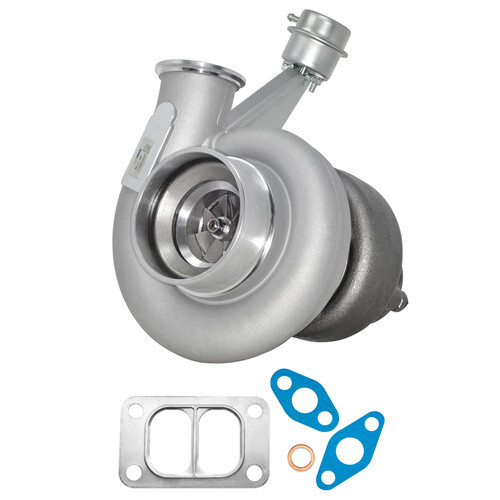
Turbocharging became standard on diesel trucks in the late 1980s and early 1990s. Early turbocharged diesel pickups like the first generation Dodge Cummins and Ford 7.3L PowerStroke used fixed geometry designs with wastegates to control boost pressure. These systems worked well for their era, delivering reliable power increases with relatively simple mechanical components.
As emissions standards tightened and customer expectations for drivability increased, manufacturers needed better turbo control. The variable geometry turbocharger provided the solution. Ford introduced VGT technology to the diesel pickup segment in 2003 with the 6.0L PowerStroke. GM followed shortly after with the LLY Duramax in 2004, and Ram adopted VGT technology when the 6.7L Cummins debuted in 2007.
Today, essentially every diesel pickup truck sold in North America uses VGT technology. Understanding how these systems differ from their predecessors helps owners maintain them properly and troubleshoot problems when they occur.
How Fixed Geometry Turbos Work
A fixed geometry turbocharger represents the traditional approach to turbocharging diesel engines. The design includes three primary components: a turbine housing on the exhaust side, a compressor housing on the intake side, and a center section containing the shaft that connects both wheels.
Exhaust gases from the engine enter the turbine housing and spin the turbine wheel. Since the turbine wheel shares a shaft with the compressor wheel, both rotate together. The spinning compressor wheel draws in fresh air, compresses it, and forces it into the engine intake. More air allows more fuel to be burned, producing significantly more power than a naturally aspirated engine.
The key limitation of fixed geometry turbos involves the aspect ratio (A/R ratio) of the turbine housing. This ratio determines how quickly exhaust gases accelerate toward the turbine wheel. A small A/R ratio creates high exhaust velocity, spooling the turbo quickly at low RPM but restricting flow at high RPM. A large A/R ratio flows better at high RPM but causes significant turbo lag at low engine speeds.
Engine designers must choose one A/R ratio that compromises between low end response and high end power. This unavoidable tradeoff defined fixed geometry turbo performance for decades.
Wastegate Function
Most fixed geometry turbos include a wastegate to prevent overboosting. The wastegate is a simple valve in the exhaust stream before the turbine. When boost pressure reaches the desired level, the wastegate opens and allows excess exhaust energy to bypass the turbine wheel. This prevents the turbo from spinning too fast while maintaining optimal boost pressure.
Wastegate control on older trucks used purely pneumatic actuators connected to boost pressure. Later applications like the 1999.5 to 2003 7.3L PowerStroke added electronic control, allowing the PCM to modulate wastegate position for more precise boost management.
Applications
Diesel trucks with fixed geometry wastegate turbos include the 1989 to 2007 Ram Cummins 5.9L, 1994 to 2003 Ford 7.3L PowerStroke, and 2001 to 2004 GM 6.6L Duramax LB7. These trucks remain popular because their turbo systems are simpler to work on, upgrade, and repair than modern VGT equipped trucks.
How VGT Turbos Work
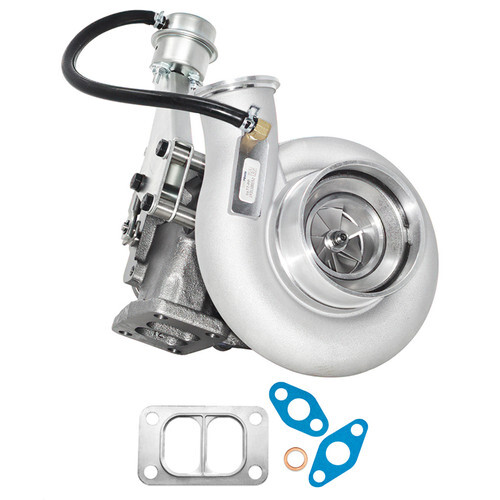
A Variable Geometry Turbocharger eliminates the fixed A/R compromise by allowing the turbine housing geometry to change based on engine demand. The compressor side of a VGT remains identical to a fixed geometry design. The revolutionary changes occur entirely on the exhaust side.
Inside the VGT turbine housing, a set of adjustable vanes surrounds the turbine wheel. These vanes can change position to effectively alter the cross sectional area through which exhaust gases flow. By adjusting vane position, the turbo can act like a small turbo at low RPM (for quick spool and minimal lag) or a large turbo at high RPM (for maximum flow and power).
Variable Vane Operation
At low engine speeds when exhaust flow is limited, the vanes close to a narrow position. This accelerates exhaust gas velocity toward the turbine wheel, causing faster spool up and immediate boost response. The truck responds crisply to throttle input without the lag characteristic of fixed geometry turbos.
As engine speed and exhaust flow increase, the vanes progressively open. At full throttle and high RPM, the vanes open completely to minimize exhaust restriction. This allows maximum airflow through the engine without excessive backpressure, protecting components from heat damage while maintaining power output.
Electronic Actuators
Modern VGT systems use electronic actuators controlled by the engine control module. The ECM continuously monitors multiple sensors including manifold pressure, exhaust back pressure, turbo speed, and engine load to calculate optimal vane position. The actuator then moves the vanes to achieve the commanded position dozens of times per second.
This precise electronic control enables VGT turbos to serve multiple functions beyond simple boost control. VGT systems can assist exhaust gas recirculation flow, promote diesel particulate filter regeneration by increasing exhaust temperature, and provide exhaust braking capability without requiring a separate exhaust brake valve.
Aspect Ratio Optimization
The ability to change effective A/R ratio in real time gives VGT turbos tremendous flexibility. Garrett reports that their VNT technology has been matched to more than 70 million diesel engines over the last three decades. This widespread adoption demonstrates how effectively VGT technology solves the traditional turbocharging compromise.
Research comparing VGT and fixed geometry turbocharging shows improvements of 2 to 7 percent in part load fuel consumption and up to 15 percent improvement in full load performance. These gains come from the VGT's ability to maintain optimal boost characteristics across the entire operating range.
VGT Systems by Platform
Different manufacturers use different VGT designs, and understanding these distinctions helps with diagnosis and parts sourcing.
Garrett (PowerStroke and Duramax)
Ford and GM both use Garrett variable nozzle turbine technology on their diesel trucks. The GT3782VA found on 2003 to 2007 6.0L PowerStroke engines and the GT3788VA on LLY, LBZ, and LMM Duramax engines share similar architectures.
These turbos use individual pivoting vanes arranged in a ring around the turbine wheel. A unison ring connects all vanes and rotates to move them in uniform fashion. The unison ring position is controlled by an oil pressure operated solenoid valve that receives commands from the engine control module.
Early 2003 PowerStroke turbos featured 10 blade turbine wheels and 15mm vanes. Later versions used 13 blade turbines and 13.2mm vanes. The GT3788VA used on Duramax applications features a stainless steel unison ring that resists corrosion better than the carbon steel version found in early PowerStroke units.
Holset (Cummins)
The Holset VGT turbos found on 2007.5 and newer 6.7L Cummins engines use a fundamentally different design called a sliding vane or sliding nozzle system. Rather than individual pivoting vanes, the Holset design uses a single nozzle ring that slides axially along the turbo centerline.
The HE351VE used from 2007.5 to 2012 and the HE300VG used from 2013 to present both employ this sliding ring architecture. An electronic actuator mounted to the compressor housing controls ring position through a gear mechanism. This design has fewer individual moving parts than the Garrett pivoting vane approach but still requires regular maintenance to prevent sticking.
The HE300VG actuator introduced in 2013 is widely considered more durable and reliable than the earlier HE351VE version. Many owners of 2007.5 to 2012 trucks upgrade to the newer actuator using an adapter harness for improved reliability.
BorgWarner Applications
BorgWarner supplies VGT turbos for various commercial diesel applications. Their VTG (Variable Turbine Geometry) designs appear on certain European diesel vehicles and heavy duty truck engines. While less common in North American pickup applications, BorgWarner VGT technology operates on similar principles to other variable vane designs.
Pros and Cons Comparison
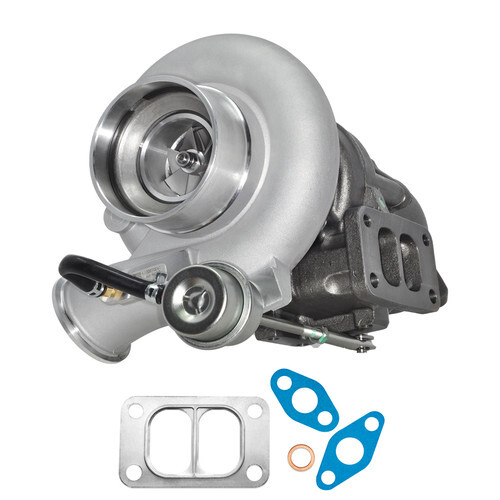
Understanding the advantages and disadvantages of each turbo type helps owners make informed decisions about maintenance priorities and potential upgrades.
VGT Advantages
Variable geometry turbochargers offer several significant benefits:
- Virtually eliminated turbo lag provides immediate throttle response at any engine speed
- Optimized boost delivery across the entire RPM range improves both low end torque and high RPM power
- Integrated exhaust brake capability eliminates need for separate exhaust brake hardware
- Assists EGR flow control and promotes DPF regeneration
- Better fuel economy through optimized air to fuel ratios at all operating conditions
VGT Disadvantages
The complexity that enables VGT advantages also creates potential problems:
- Higher initial cost and more expensive replacement
- Complex electronic controls add potential failure points
- Vanes and unison rings prone to carbon buildup and sticking
- Actuator failures can disable turbo function entirely
- Requires specialized diagnostic equipment for proper troubleshooting
- Limited aftermarket upgrade options compared to fixed geometry turbos
Fixed Geometry Advantages
Traditional wastegate turbos remain popular for several reasons:
- Simpler design with fewer components means less that can fail
- Lower cost for initial purchase and replacement
- Easier to rebuild with widely available parts
- Extensive aftermarket upgrade options in various sizes
- No electronic actuators to fail or require calibration
- Proven longevity exceeding 150,000 miles with basic maintenance
Fixed Geometry Disadvantages
The simplicity of fixed geometry design comes with inherent limitations:
- Noticeable turbo lag at low RPM, especially with larger turbos
- Compromised A/R ratio limits either low end response or high end power
- No integrated exhaust brake capability
- Cannot assist with emissions control functions
- Wastegate can stick or fail over time
Why VGT Turbos Fail
Industry data indicates that VGT turbo failures rarely stem from manufacturing defects. Instead, environmental factors and maintenance practices cause most problems. Understanding failure modes helps prevent them.
Stuck Vanes and Carbon Buildup
The most common VGT problem involves vanes that no longer move freely. Carbon deposits, soot accumulation, and rust buildup restrict vane movement over time. This problem accelerates in trucks that experience excessive idle time without reaching operating temperature, short trips that prevent complete DPF regeneration, extended periods of light throttle operation, trucks that sit unused for extended periods, and EGR system problems that introduce additional soot into the exhaust stream.
When vanes stick, symptoms depend on which position they freeze in. Vanes stuck closed cause quick spool but excessive backpressure at high RPM. Vanes stuck open cause severe turbo lag and poor low speed response. Either condition typically triggers diagnostic trouble codes including P0299, P2263, P003A, or platform specific codes.
Actuator Failure
Electronic actuators control vane position on all modern VGT applications. These actuators must operate reliably in extremely harsh conditions with exhaust temperatures approaching 1,500 degrees Fahrenheit. Common actuator failure modes include electrical failures in motor windings, mechanical wear in gears and linkages, corrosion from moisture intrusion, and heat damage to electronic components.
The Holset HE351VE actuator on 2007.5 to 2012 Cummins trucks is particularly notorious for failures. Symptoms include fault codes like P2262 or P2263, loss of exhaust brake function, and erratic boost behavior. Replacement actuators require calibration with a scan tool capable of Cummins INSITE or equivalent functionality.
EGR Related Issues
Exhaust gas recirculation systems contribute significantly to VGT carbon buildup. EGR valves that leak or stick introduce soot directly into the turbo and intake tract. EGR cooler failures can contaminate the system with coolant, creating corrosive deposits. Trucks with EGR problems typically experience accelerated VGT degradation. Addressing EGR system health often improves VGT longevity.
Unison Ring Problems
On Garrett VGT turbos, the unison ring controls all vane positions simultaneously. Factory carbon steel unison rings can crack, warp, or develop worn slots where the vanes connect. Corrosion between the unison ring and turbine housing shrinks clearances until the ring binds. Upgraded stainless steel unison rings resist corrosion better than factory components. Many rebuilders install the GT3788VA unison ring from the Duramax application in PowerStroke GT3782VA turbos for improved longevity.
VGT Maintenance Tips
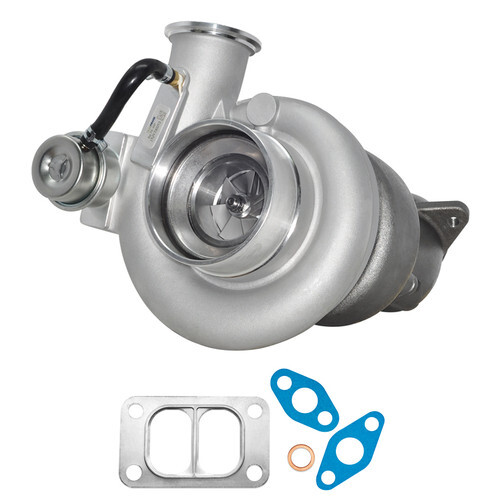
Proactive maintenance dramatically extends VGT service life and prevents costly failures.
Oil Quality and Change Intervals
VGT bearings share the same oil lubrication requirements as any turbocharger. Using the correct oil specification and maintaining appropriate change intervals protects internal components. Additionally, oil quality affects carbon formation throughout the engine including VGT components.
Use only the manufacturer specified oil grade for your application. Consider more frequent oil changes under severe duty conditions including towing, dusty environments, or extensive idle time. Premium synthetic oils resist thermal breakdown better than conventional oils, potentially reducing carbon deposit formation.
Proper Warm Up and Cool Down
Cold starts stress VGT components because oil viscosity is high and the actuator must move vanes that have been stationary. Allow 30 to 60 seconds of idle time before driving to establish oil circulation. Avoid full throttle operation until the engine reaches normal operating temperature.
After hard driving or sustained towing, idle the engine for one to two minutes before shutdown. This allows continued oil circulation to cool the turbo center section. Hot shutdown traps extreme heat in the turbo, causing oil to coke on bearing surfaces and potentially damaging seals.
Regular Exercise
VGT vanes need movement to prevent buildup from binding them. Trucks driven gently or idled extensively are more prone to stuck vanes than trucks that see regular spirited driving. Periodic highway driving with moderate acceleration exercises vanes through their full range of motion. Using the exhaust brake regularly also moves vanes and helps keep them free.
EGR System Maintenance
Since EGR problems accelerate VGT carbon buildup, maintaining the EGR system protects your turbo. Regular inspection of EGR valve operation, cooler condition, and associated sensors catches problems before they damage other components. Addressing EGR leaks or sticking valves promptly prevents soot from overwhelming VGT components.
Conversion Considerations
Some owners consider converting their VGT equipped truck to a fixed geometry turbo setup. This decision involves significant tradeoffs.
Reasons for Converting
Owners typically consider VGT to fixed geometry conversion due to repeated VGT failures, desire for higher horsepower potential, preference for simpler systems with fewer electronic components, and cost savings when replacement is needed anyway.
Conversion Requirements
Converting from VGT to fixed geometry requires more than simply swapping turbos. Essential considerations include custom tuning to disable VGT related engine management functions, exhaust manifold changes on some applications, loss of integrated exhaust brake functionality, potential check engine lights from missing sensors, and selection of appropriate turbo sizing for intended use.
Third generation swap kits for Ram Cummins trucks use manifolds based on 1998.5 to 2002 Cummins designs, allowing installation of S300 or S400 series fixed geometry turbos. These kits require custom tuning but provide extensive horsepower potential.
Maintaining VGT Benefits
Some owners prefer keeping VGT functionality while addressing reliability concerns. Aftermarket VGT housings designed for performance applications offer improved durability over stock components. These products fit S300 and S400 turbo platforms while providing variable geometry capability, exhaust braking, and quick spool characteristics.
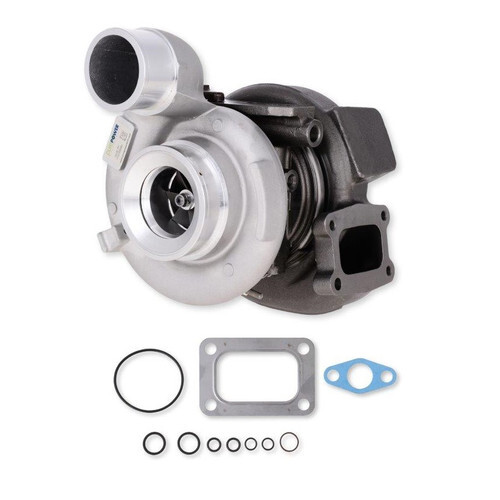
Bostech VGT Components
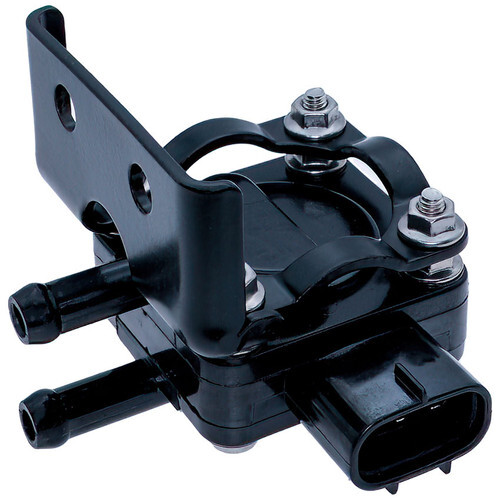
When your diesel truck needs VGT service or repair, Bostech Auto offers comprehensive solutions designed to restore proper operation. Our product line includes VGT actuators, position sensors, solenoid valves, and supporting gaskets and hardware for popular diesel platforms.
Quality VGT actuators ensure precise vane control for optimal boost response and exhaust brake function. Position sensors provide accurate feedback to the engine control module for proper system operation. Complete gasket kits simplify turbo service with all the seals needed for a professional repair.
Browse our selection of turbocharger components including rebuild kits, actuators, solenoids, and related sensors. Each product meets or exceeds OEM specifications for reliable long term performance in demanding diesel applications.
Frequently Asked Questions
VGT (Variable Geometry Turbocharger) and VNT (Variable Nozzle Turbine) refer to the same technology. VGT is the term used by Cummins and Holset, while VNT is Garrett's trademark. Both describe turbochargers with adjustable vanes that change the effective turbine housing geometry based on engine demand.
With proper maintenance, VGT turbos commonly last 150,000 to 200,000 miles or more. Factors affecting longevity include oil quality, driving habits, EGR system health, and how often the truck operates under load versus extended idle. Trucks driven regularly at highway speeds with occasional hard acceleration typically experience better VGT longevity than trucks that idle extensively.
Yes, many stuck VGT turbos can be cleaned and returned to service. The process involves removing the turbo, disassembling the turbine housing, cleaning all vanes and the unison ring individually, inspecting for damage, and reassembling with appropriate anti seize compounds. Some shops also increase unison ring clearances slightly to accommodate future buildup.
Some turbo whistle is normal for VGT systems, particularly when vanes are in closed positions during acceleration. However, new or unusual whistling may indicate boost leaks, vane damage, or bearing problems. Grinding or scraping sounds suggest internal contact requiring immediate attention.
Yes, VGT actuators require calibration after replacement. The actuator must learn the physical range of vane movement on the specific turbo it controls. Calibration requires a scan tool capable of performing the relearn procedure for your platform. Installing an actuator without calibration causes erratic boost control and potential fault codes.
Overboost codes typically indicate vanes stuck in a closed or partially closed position, creating excessive boost pressure. Carbon buildup, stuck unison rings, or actuator failures can cause this condition. In some cases, inaccurate sensor readings from a fouled exhaust back pressure sensor or MAP sensor create false overboost conditions.
Neither type is universally better. VGT turbos provide superior drivability, integrated exhaust braking, and better emissions control. Fixed geometry turbos offer simplicity, durability, and easier modification potential. The best choice depends on your priorities including daily driving comfort versus performance potential, maintenance preferences, and budget considerations.
Stock VGT turbos can support moderate power increases through tuning and supporting modifications. However, significant horsepower goals typically require either a larger aftermarket VGT or conversion to a fixed geometry setup. The stock VGT on most trucks efficiently supports the factory fuel system with some tuning headroom.