
Complete Guide to Diesel Fuel Contamination: Testing, Diagnosis, and System Recovery
Dec 29th 2025
Diesel fuel contamination represents one of the most expensive and frustrating problems any diesel truck owner can face. Whether you accidentally pumped gasoline into your tank, discovered water in your fuel system, or experienced the dreaded CP4 pump failure that sends metal shavings through your entire fuel system, contamination events can quickly escalate from minor inconveniences to catastrophic failures costing $10,000 to $20,000 or more.
Understanding the different types of contamination, recognizing symptoms early, and knowing exactly how to respond can mean the difference between a simple tank drain and a complete fuel system replacement. This comprehensive guide covers everything diesel truck owners, fleet managers, and technicians need to know about diesel fuel contamination from prevention through recovery.
Table of Contents
- Understanding Diesel Fuel Contamination Types
- Symptoms of Contaminated Diesel Fuel by Contamination Type
- How CP4 Pump Failures Relate to Contamination
- Step by Step Guide to Using Fuel Contamination Test Kits
- Complete Fuel System Recovery Procedures by Severity Level
- Platform Specific Considerations
- Prevention Strategies and Fuel Storage Best Practices
- Cost Breakdown: Component Replacement vs Complete System Remediation
- When to DIY vs When to Call a Professional
- Frequently Asked Questions
Understanding Diesel Fuel Contamination Types
Diesel fuel contamination occurs when foreign substances enter the fuel system and compromise fuel quality, damage components, or both. Modern diesel engines with high pressure common rail fuel systems are particularly sensitive to contamination because their precision components operate with extremely tight tolerances at pressures reaching 30,000 PSI or higher.
Understanding the different contamination types helps you recognize problems quickly and respond appropriately before minor issues become major disasters.
Water Contamination
Water represents the most common form of diesel fuel contamination and causes problems through multiple mechanisms. Even small amounts of water in diesel fuel can corrode metal components, promote microbial growth, reduce fuel lubricity, and cause incomplete combustion.
Water enters fuel systems through several pathways. Condensation forms inside fuel tanks when temperature fluctuations cause moisture in the air to collect on tank walls. This is particularly common when tanks are stored partially full, allowing significant air volume inside the tank. As temperatures rise and fall, moisture condenses and eventually accumulates in the fuel.
Contaminated fuel from the supply chain represents another common source. Poorly maintained storage tanks at fuel stations can accumulate water over time, and that water gets pumped into customer vehicles. Underground storage tanks are especially vulnerable to groundwater infiltration through deteriorating seals or cracks.
Improper fuel handling during storage or transfer allows water entry through open containers, damaged seals, or poor practices. Rain water entering fuel cans, humidity absorption during extended storage, and condensation in transfer equipment all contribute to water contamination.
Water in diesel fuel causes several distinct problems. First, water does not burn like diesel fuel and creates incomplete combustion when it reaches the cylinders. Second, water corrodes metal fuel system components including tanks, lines, pumps, and injectors. Third, water reduces the lubricating properties of diesel fuel, accelerating wear on precision components. Fourth, water provides the environment that microbial organisms need to thrive and multiply.
DEF Contamination (Diesel Exhaust Fluid in Fuel Tank)
Accidentally adding diesel exhaust fluid to the fuel tank represents one of the most damaging contamination scenarios possible. Even small amounts of DEF can destroy an entire fuel system, with repair costs frequently exceeding $15,000 for complete system replacement.
DEF consists of 32.5 percent synthetic urea and 67.5 percent deionized water. It is designed to be injected into the exhaust system where it converts nitrogen oxides into harmless nitrogen and water vapor. DEF has no place in the fuel system and causes catastrophic damage when it enters.
The problem occurs because Ford and Ram vehicles locate the DEF filler neck inside the fuel filler door, directly adjacent to the diesel filler. While diesel fuel nozzles will not fit into the smaller DEF filler opening, DEF nozzles can fit into diesel fuel tank openings. Drivers who are distracted, rushing, or unfamiliar with their vehicles can easily make this mistake.
When DEF enters the fuel system, it creates multiple problems simultaneously. DEF is corrosive to the aluminum and other metal components used throughout modern fuel systems. It crystallizes as it dries, forming abrasive deposits that damage precision surfaces. It does not combust like diesel fuel, causing immediate engine problems. The water content in DEF causes all the problems associated with water contamination plus the additional corrosive effects of urea.
If DEF contamination occurs and the engine is started, the contamination spreads throughout the entire fuel system within seconds. The high pressure fuel pump circulates the contaminated mixture through fuel rails, injectors, and return lines. Once this happens, the only reliable repair is complete fuel system replacement from tank to injectors.
Gasoline Contamination
Pumping gasoline into a diesel tank creates immediate problems because gasoline and diesel fuel have fundamentally different properties. Understanding these differences explains why gasoline contamination is so damaging to diesel engines.
Diesel fuel is essentially an oil. It provides lubrication to fuel system components as it flows through the system. The high pressure fuel pump, injectors, and other precision components rely on this lubricity for proper operation and longevity. Diesel fuel also has a higher flash point than gasoline, meaning it requires more heat and pressure to ignite. Diesel engines are designed around these properties.
Gasoline, by contrast, acts as a solvent. It strips away the lubricating film that diesel fuel provides, causing metal to metal contact between precision components. Gasoline also has a much lower flash point and ignites more easily than diesel. When gasoline enters a diesel engine, it can ignite prematurely under compression, causing damaging pressure spikes before the piston reaches the optimal position.
The severity of gasoline contamination depends on several factors including the concentration of gasoline in the mixture, whether the engine was started, and how long the engine ran with contaminated fuel. A small amount of gasoline in an otherwise full tank of diesel may cause rough running but limited damage. A significant amount of gasoline, or running the engine until it stalls, can destroy the entire fuel system.
The most critical factor is whether the engine was started after contamination occurred. If you realize the mistake before turning the key, the contamination is confined to the tank and potentially the fuel lines leading to it. A tank drain and flush may be sufficient. Once the engine runs, contaminated fuel circulates throughout the system, requiring more extensive repairs.
Particulate Contamination
Dirt, rust, debris, and other solid particles contaminate diesel fuel and damage fuel system components through abrasion. Modern high pressure common rail fuel systems have extremely tight tolerances measured in microns, and even small particles can cause significant damage.
Particulate contamination enters fuel systems through dirty fuel at the point of purchase, deteriorating fuel tanks that shed rust particles, improper fuel handling that allows debris entry, and failing components that shed material into the fuel stream.
Fuel filters provide the primary defense against particulate contamination. Primary filters typically capture particles down to 10 to 30 microns, while secondary filters capture particles as small as 2 to 5 microns. However, severely contaminated fuel can overwhelm filter capacity, allowing particles to pass through and damage downstream components.
When particulate contamination reaches high pressure pumps and injectors, it scores precision surfaces and degrades component performance. Damaged injectors may spray fuel improperly, causing incomplete combustion, increased emissions, and reduced power. Damaged pumps may not maintain proper pressure, triggering fault codes and engine derates.
Microbial Contamination (Diesel Bug)
Microbial contamination, commonly called diesel bug, occurs when bacteria, yeasts, and fungi colonize fuel systems. These microorganisms live in the water that accumulates at the bottom of fuel tanks and feed on the hydrocarbon content of diesel fuel.
Microbial growth requires water to survive. The organisms live at the interface between water and fuel, consuming the fuel and excreting acidic waste products. These waste products accelerate corrosion of fuel system components and contribute to the formation of slime, sludge, and biofilms that clog filters and restrict fuel flow.
Several factors promote microbial growth in fuel systems. Warm temperatures accelerate reproduction, making contamination more common in hot climates and during summer months. Extended storage allows colonies to establish and grow. Water accumulation provides the environment organisms need to survive. Infrequent fuel turnover allows populations to reach damaging levels.
Microbial contamination causes several problems. Clogged filters restrict fuel flow and can cause fuel starvation. Acidic waste products corrode metal components. Biofilms and slime coat internal surfaces, reducing efficiency and potentially blocking small passages. In severe cases, microbial contamination can render fuel unusable and require complete system cleaning.
Fuel Degradation and Asphaltene Formation
Diesel fuel naturally degrades over time through oxidation and other chemical reactions. Modern ultra low sulfur diesel is particularly susceptible to degradation because the refining processes that remove sulfur also remove natural stabilizers present in higher sulfur fuels.
Fresh diesel fuel typically has a shelf life of only 90 days under ideal storage conditions. Quality can degrade by 26 percent within the first 28 days, and degradation can reach 95 percent if water is present. This represents a dramatic change from historical fuel stability, when diesel could remain usable for years or even decades.
As fuel degrades, heavy molecular components called asphaltenes precipitate out of solution and form sludge, gums, and varnish deposits. These deposits coat fuel system components, clog filters, and restrict flow through small passages. Degraded fuel also burns less efficiently, reducing power and increasing emissions.
Fuel that appears darkened or has an unusual smell may be degraded. Fresh diesel looks clear and bright with a characteristic solvent odor. Degraded fuel appears cloudy, dark, or has visible sediment. Any fuel exhibiting these characteristics should be tested before use.
Symptoms of Contaminated Diesel Fuel by Contamination Type
Recognizing contamination symptoms quickly allows for faster response and can significantly reduce damage and repair costs. Different contamination types produce different symptoms, though some overlap exists.
Water Contamination Symptoms
Water in diesel fuel produces symptoms that vary with the amount of water present and how long contamination has existed.
Mild water contamination may cause difficulty starting, particularly in cold weather when water can freeze in fuel lines or filters. The engine may idle roughly or hesitate during acceleration. Fuel economy may decrease as incomplete combustion wastes fuel energy. White or gray exhaust smoke may appear, especially during warm up, as water in the cylinders vaporizes.
Moderate water contamination intensifies these symptoms. The engine may misfire under load or stall unexpectedly. Power loss becomes more noticeable, particularly during acceleration or when climbing grades. The water in fuel warning light may illuminate if the vehicle is equipped with a water in fuel sensor.
Severe water contamination can prevent starting entirely. If enough water reaches the cylinders, hydrostatic lock can occur, potentially bending connecting rods or causing other internal engine damage. Visible rust in fuel system components indicates long term water exposure that has already caused significant corrosion.
DEF Contamination Symptoms
DEF in the fuel tank produces rapid and severe symptoms because of its corrosive nature and incompatibility with combustion.
If the engine is started with DEF contaminated fuel, it may run briefly before experiencing severe problems. The water in fuel light typically illuminates immediately because DEF is primarily water. Engine performance degrades rapidly with loss of power, rough running, and misfiring. The engine may stall and refuse to restart as crystallized DEF clogs filters and injectors.
Visible crystallization on fuel system components confirms DEF contamination. When DEF dries, it leaves white crystalline deposits that are distinctive and unmistakable. These crystals form on any surface that contacts contaminated fuel.
Gasoline Contamination Symptoms
Gasoline in diesel fuel produces symptoms related to premature ignition, reduced lubrication, and improper combustion.
Engine knocking or pinging indicates that fuel is igniting before the optimal moment in the compression stroke. This premature detonation creates pressure spikes that stress engine components. The knocking sound comes from the uncontrolled combustion.
Rough running and misfiring occur because gasoline does not combust properly under diesel engine conditions. The engine may surge, hesitate, or run unevenly. Black or dark smoke from the exhaust indicates incomplete combustion.
Power loss becomes pronounced as contamination levels increase. The engine cannot extract proper energy from the contaminated fuel mixture. In severe cases, the engine may stall and refuse to restart.
Particulate Contamination Symptoms
Particulate contamination symptoms often develop gradually as debris accumulates in the system.
Reduced fuel pressure may trigger diagnostic codes or engine derates. The high pressure pump cannot maintain proper pressure when debris interferes with its operation. Injector balance tests may show one or more cylinders receiving insufficient fuel.
Frequent filter clogging indicates excessive particulate loading. If fuel filters require replacement more often than normal service intervals, contamination has likely overwhelmed the filtration system. Inspecting the used filter can reveal the nature of contamination.
Injector problems including rough idle, misfiring, and smoke often result from particulate damage. Debris that passes through filters scores injector internals, affecting spray patterns and fuel delivery.
Microbial Contamination Symptoms
Diesel bug produces distinctive symptoms related to filter clogging and component corrosion.
Rapidly clogging filters represent the most common indicator of microbial contamination. Colonies of microorganisms and their waste products plug filter media quickly. A filter that should last thousands of miles may clog within hundreds when contamination is severe.
Fuel that smells unusual, often described as rotten or sulfurous, indicates microbial activity. Sulfur reducing bacteria produce hydrogen sulfide and other compounds with distinctive odors. Fuel with an unusual smell should be tested before further use.
Slimy or gelatinous material in filters, tanks, or fuel samples confirms biological contamination. This biomass consists of microorganisms and the biofilms they create. Visible contamination indicates a well established colony requiring aggressive treatment.
Degraded Fuel Symptoms
Old or degraded fuel produces symptoms related to poor combustion and deposit formation.
Darkened fuel with visible sediment indicates advanced degradation. Fresh diesel is clear and bright. Fuel that has oxidized appears cloudy, dark, or contains visible particles. This fuel may still burn but with reduced efficiency and increased deposit formation.
Hard starting and rough running result from degraded fuel's inability to ignite and combust properly. Deposits left by degraded fuel coat injector tips and combustion chambers, further degrading performance over time.
Increased exhaust smoke, particularly black smoke, indicates incomplete combustion. Degraded fuel does not atomize and burn as efficiently as fresh fuel, resulting in unburned hydrocarbons exiting through the exhaust.
How CP4 Pump Failures Relate to Contamination
The Bosch CP4 high pressure fuel pump has earned a notorious reputation for catastrophic failures that destroy entire fuel systems. Understanding why these pumps fail and how contamination relates to failure helps owners protect their investments.
Understanding the CP4 Pump Design
The CP4 pump replaced the extremely reliable CP3 pump starting in 2011. Bosch designed the CP4 to meet stricter emissions standards while improving efficiency. The pump uses a roller tappet cam design that creates higher fuel pressures with less fuel volume than the CP3.
This efficiency comes at a cost. The CP4's internal components operate with tighter tolerances and require more precise lubrication than the older design. The pump relies on diesel fuel itself to lubricate its internals, making fuel quality absolutely critical for longevity.
Vehicles equipped with CP4 pumps include 2011 to present Ford 6.7L Powerstroke engines, 2011 to 2016 GM LML and LGH Duramax engines, 2019 to 2020 Ram 6.7L Cummins engines, 2014 to 2023 Ram and Jeep 3.0L EcoDiesel engines, and 2016 to 2019 Nissan Titan XD 5.0L diesel engines.
GM abandoned the CP4 in 2017 when they introduced the L5P Duramax, switching to a Denso HP4 system instead. Ram briefly used the CP4 on 6.7L Cummins engines from 2019 to 2020 before reverting to the more reliable CP3 in 2021. Ford continues using the CP4 on current Powerstroke engines.
Why CP4 Pumps Fail
CP4 pump failures stem from several interrelated factors, with fuel quality and contamination playing central roles.
Ultra low sulfur diesel fuel (ULSD) required by current emissions regulations provides less lubricity than older high sulfur fuels. The CP4 was reportedly designed for European diesel fuel, which typically has higher lubricity than North American ULSD. When operated with low lubricity fuel, the pump's internal components experience accelerated wear.
Water contamination dramatically increases failure risk. Water provides no lubrication and actually strips the protective film of diesel fuel from metal surfaces. Even small amounts of water can initiate wear that eventually leads to catastrophic failure.
Particulate contamination accelerates wear by introducing abrasive particles between precision surfaces. The CP4's tight tolerances mean that particles passing through filters can cause significant damage.
Air bubbles in the fuel supply also cause problems. When air enters the pump housing, metal surfaces rub directly against each other without the protective layer of fuel. The roller tappets in CP4 pumps can also rotate when starved of fuel, causing them to cut into the drive shaft rather than rolling smoothly on it.
CP4 Failure Progression and Consequences
CP4 failure is typically catastrophic rather than gradual. As the pump begins wearing, it sheds metal particles into the fuel. These particles circulate through the high pressure fuel system, damaging injectors, fuel rails, and other components before returning to the tank.
The LML Duramax runs a closed loop fuel system, meaning fuel cycles directly back to the injection pump without passing through filtration again. This design accelerates contamination spread when the pump begins failing.
When a CP4 fails completely, the entire fuel system requires replacement or thorough cleaning. This includes the tank, lift pump if equipped, all fuel lines, the high pressure pump, fuel rails, injectors, and sometimes the fuel pressure regulator. Simply flushing the system is inadequate because metal particles embed in soft materials and hide in crevices, causing repeat failures when any contamination remains.
Complete CP4 failure repair typically costs $8,000 to $12,000 or more depending on the vehicle and parts used. Some owners report repair estimates exceeding $15,000 from dealers using all OEM components.
Why CP3 Systems Are More Resilient
The older CP3 pump design proves more forgiving of adverse fuel conditions. Several design differences contribute to its superior reliability.
The CP3 uses a different internal design that does not rely as heavily on fuel lubricity. Its construction provides more tolerance for occasional fuel quality issues without catastrophic consequences.
When CP3 pumps do wear, they tend to fail gradually rather than catastrophically. Wear produces symptoms like reduced fuel pressure and hard starting before complete failure occurs. This gives owners warning and opportunity to address problems before they spread through the system.
The CP3's construction makes it less sensitive to air in the fuel supply. While air is never good for fuel systems, the CP3 tolerates occasional air intrusion better than the CP4.
Many owners of CP4 equipped vehicles proactively convert to CP3 pumps to eliminate the failure risk entirely. Conversion kits are available for 2011 to 2016 LML Duramax trucks and 2019 to 2020 Ram 6.7L Cummins trucks. Ford Powerstroke owners typically convert to DCR (Diesel Common Rail) pumps instead, which provide similar reliability improvements.
Step by Step Guide to Using Fuel Contamination Test Kits
Regular fuel testing detects contamination early, allowing treatment before damage occurs. Several types of test kits address different contamination concerns.
Water Detection Testing
Water finding paste provides the simplest method for detecting water in fuel tanks. This product changes color instantly when it contacts water, providing immediate visual indication of water presence.
To use water finding paste, apply a thin coating to a clean dip stick, wooden dowel, or similar probe long enough to reach the bottom of the fuel tank. Lower the coated probe to the tank bottom and hold it there for several seconds. Remove the probe and inspect for color change. The paste typically changes from its original color (often yellow or white) to a contrasting color (often red or purple) where it contacted water.
Interpreting results requires understanding what the color change indicates. Water accumulates at the bottom of fuel tanks because it is denser than diesel. A color change at the probe tip indicates water presence. The height of the color change shows approximately how much water has accumulated.
If water is detected, it should be drained from the tank before the fuel is used. Many diesel vehicles have drain ports at the bottom of the fuel tank or water separator for this purpose. Continuing to use contaminated fuel risks damage to fuel system components.
Microbial Contamination Testing
Testing for diesel bug requires more sophisticated methods than simple water detection. Several types of test kits are available with different capabilities and time requirements.
Immunoassay antibody tests like FUELSTAT provide rapid results, typically within 15 minutes. These tests specifically detect the microorganisms known to damage fuel systems. They work by using antibodies that react with target organisms, producing visual indicators when contamination is present.
To use an immunoassay test, collect a fuel sample from the bottom of the tank where contamination concentrates. Apply the specified number of drops to the test device according to kit instructions. Wait the specified time period and compare results to the reference chart provided. Results typically indicate negligible, moderate, or heavy contamination levels.
Culture based tests use growth media to cultivate any organisms present in a fuel sample. These tests require 24 to 72 hours for results but provide more detailed information about contamination levels. Dip slide tests have growth media on a paddle that is inserted into the fuel sample, then incubated until visible growth appears.
To use a culture test, collect a fuel sample in a clean container. Remove the test paddle from its packaging without touching the growth media. Immerse the paddle in the fuel sample for the specified time, ensuring all media surfaces contact the fuel. Return the paddle to its container and store at the specified temperature for the incubation period. Compare growth patterns to reference images to estimate contamination levels.
ATP (adenosine triphosphate) tests measure the energy molecule present in all living cells. These tests can detect microbial presence within minutes but require more expensive equipment. They are more commonly used in commercial and industrial applications than by individual vehicle owners.
General Fuel Quality Testing
Comprehensive fuel quality test kits evaluate multiple parameters including water content, general quality indicators, and microbial contamination in a single package.
To use a combination test kit, collect fuel samples following kit instructions. Samples should be taken from the tank bottom where contamination concentrates. Perform each test according to the specific instructions provided. Record results for comparison with future tests.
Quality indicators include visual appearance, which should be clear and bright for fresh fuel. Cloudiness indicates water emulsion or degradation. Dark color suggests oxidation and degraded fuel. Sediment indicates particulate contamination or precipitated asphaltenes.
Regular testing on a schedule helps identify contamination trends before problems become severe. Testing every 12 months is generally recommended for typical vehicle use. More frequent testing, perhaps every 3 months, makes sense for fuel stored in hot or humid climates, bulk storage applications, or vehicles that sit for extended periods.
Bostech offers fuel contamination test kits for Ford, GM, and Ram Cummins platforms that provide convenient, reliable contamination detection. These kits enable truck owners to identify problems before they cause expensive damage.
Complete Fuel System Recovery Procedures by Severity Level
Recovery from fuel contamination depends on the type and severity of contamination, whether the engine was operated with contaminated fuel, and the specific fuel system design. Procedures range from simple tank draining to complete system replacement.
Level 1: Contamination Discovered Before Engine Start
If contamination is discovered before the ignition key is turned, damage is typically limited to the fuel tank and possibly the low pressure fuel lines leading from it. This represents the best case scenario for any contamination event.
Do not turn the key to any position. Even turning the key to accessory mode can activate the fuel pump on many vehicles, circulating contaminated fuel into the system.
Do not attempt to start the engine under any circumstances. Each crank attempt pushes contaminated fuel further into the system.
Have the vehicle towed to a repair facility. If the steering column must be unlocked to allow towing, disconnect the batteries first to prevent fuel pump activation when the key is turned.
At the repair facility, the fuel tank is dropped and drained completely. The tank is flushed with clean diesel fuel multiple times until no contamination remains. Fuel filters are replaced and the low pressure fuel lines are flushed. The system is refilled with fresh diesel fuel.
Cost for this level of repair typically ranges from $400 to $1,000 depending on tank accessibility, labor rates, and whether any components require replacement rather than cleaning.
Level 2: Engine Started But Not Driven
If the engine was started but shut down quickly after recognizing a problem, contamination may have reached the high pressure fuel system but with limited exposure time.
Stop the engine immediately when contamination is suspected. Do not attempt to restart.
Have the vehicle towed to a repair facility. Do not drive even short distances.
Recovery requires all Level 1 procedures plus additional work. The high pressure fuel pump, fuel rails, and injector feed lines must be flushed or replaced depending on contamination type. Injectors should be removed and tested. Fuel filters and any inline screens are replaced.
For water or gasoline contamination caught quickly, thorough flushing may salvage most components. For DEF contamination, corrosive damage often necessitates replacement of aluminum components like fuel rails.
Cost for this level of repair typically ranges from $1,500 to $4,000 depending on contamination type, vehicle model, and how quickly the engine was shut down.
Level 3: Engine Operated Until Failure
If the engine was operated until it stalled, or if contamination was not recognized until severe symptoms appeared, comprehensive system service is required.
Recovery requires replacement of all contaminated components. For DEF or severe gasoline contamination, this includes the fuel tank (or extensive cleaning), lift pump, all fuel lines (low and high pressure), high pressure fuel pump, fuel rails, injectors, fuel pressure regulator, and any inline filters or screens.
Simply flushing the system is inadequate at this severity level. Contamination hides in crevices, embeds in soft materials, and crystallizes in passages that cannot be effectively cleaned. Residual contamination causes repeat failures if any affected components are reused.
For CP4 pump failures, the entire high pressure fuel system requires replacement because metal particles have contaminated every component. The fuel tank must be dropped and thoroughly cleaned or replaced. All fuel lines must be replaced because metal particles embed in the inner surfaces.
Cost for this level of repair typically ranges from $8,000 to $20,000 or more depending on vehicle model and parts used. Dealer quotes often reach the high end of this range, while independent shops using quality aftermarket parts may achieve lower costs.
Level 4: Contamination with Internal Engine Damage
In severe cases, contamination can cause internal engine damage that compounds the fuel system repair.
DEF contamination that causes hydrostatic lock can bend connecting rods or crack pistons. Gasoline contamination that causes severe detonation can score cylinder walls, damage pistons, or harm bearings. Metal particles from CP4 failures can score cylinder walls if injectors sprayed debris laden fuel into combustion chambers.
Recovery requires complete fuel system restoration plus engine repair or replacement. Borescope inspection reveals cylinder wall condition. Compression testing identifies damaged cylinders. Oil analysis may detect metal contamination from internal damage.
At this severity level, the vehicle may be totaled by insurance companies if repair costs approach or exceed vehicle value. Documentation of all contamination evidence and repair attempts supports insurance claims.
Platform Specific Considerations
Different diesel truck platforms have unique fuel system designs that affect contamination vulnerability and recovery procedures.
Ford PowerStroke (6.7L)
Ford's 6.7L Powerstroke has used the CP4 high pressure fuel pump since 2011, making it vulnerable to the catastrophic failures common to this pump design.
The CP4 on Powerstroke engines is located deep in the engine valley, making service access difficult. Replacement requires significant disassembly and adds to labor costs compared to more accessible configurations.
Ford positions the DEF filler neck inside the fuel filler door adjacent to the diesel filler, creating risk of accidental DEF contamination. The proximity makes misfueling easier than on vehicles with separated fill locations.
Ford has faced class action lawsuits over CP4 failures, with thousands of owners seeking compensation for expensive repairs. The lawsuits allege that Ford knew the CP4 was unsuitable for North American fuel quality but used it anyway.
Recovery options for Powerstroke owners include replacing the failed CP4 with a new or updated unit, or converting to a DCR (Diesel Common Rail) pump. The DCR pump eliminates the roller tappet design that makes CP4 pumps vulnerable and provides a direct fit installation that maintains emissions compliance. Conversion kits include all necessary components and hardware.
Bostech offers remanufactured fuel injectors for Powerstroke engines that meet original equipment specifications. These injectors undergo complete disassembly, cleaning, and testing to ensure proper performance after contamination recovery.
GM Duramax (LML 2011 to 2016)
GM's LML Duramax (2011 to 2016) used the CP4 pump throughout its production run. GM abandoned the CP4 when introducing the L5P Duramax in 2017, switching to a more reliable Denso fuel system instead.
The LML's closed loop fuel system returns fuel directly to the injection pump without passing through filtration. This design accelerates damage spread when CP4 pumps begin failing because metal particles recirculate continuously through the high pressure system.
The CP4 on LML Duramax is located in the front of the engine valley behind the water pump. While more accessible than the Powerstroke configuration, replacement still requires significant disassembly.
Recovery options for LML owners include CP4 replacement with an updated pump or conversion to a CP3 pump. CP3 conversion kits from companies like Industrial Injection provide everything needed for the swap. The CP3 eliminates the failure prone roller tappet design and provides the reliability the original CP3 equipped Duramax engines were known for.
L5P Duramax (2017 to present) owners enjoy a more reliable fuel system design but should still prioritize fuel quality and regular maintenance. While the Denso HP4 pump is more robust than the CP4, contamination can still cause expensive damage.
Ram Cummins (6.7L)
Ram's 6.7L Cummins has used different fuel system configurations depending on model year. Understanding your specific vehicle's equipment helps identify appropriate maintenance and recovery approaches.
From 2007 to 2018, the 6.7L Cummins used CP3 high pressure fuel pumps known for exceptional reliability. These trucks are much less susceptible to the catastrophic pump failures affecting CP4 equipped vehicles.
From 2019 to 2020, Ram switched to CP4 pumps on the 6.7L Cummins, introducing the same failure risk present on Powerstroke and LML Duramax platforms. These two model years require the same vigilance regarding fuel quality as other CP4 equipped trucks.
From 2021 to present, Ram reverted to CP3 pumps, acknowledging the problems CP4 pumps presented. Current model year trucks benefit from the proven reliability of the CP3 design.
Recovery options for 2019 to 2020 trucks with CP4 failures include pump replacement or conversion to CP3. The CP3 conversion restores the fuel system to the configuration used before and after those model years.
Ram also positions the DEF filler inside the fuel door on many models, creating misfueling risk similar to Ford. Careful attention when fueling prevents this easily avoidable contamination event.
Ram EcoDiesel (3.0L)
The Ram EcoDiesel 3.0L used in Ram 1500 trucks and some Jeep applications employed CP4 pumps from 2014 to 2023. These smaller diesels are just as vulnerable to CP4 failures as their larger counterparts.
EcoDiesel fuel system repairs are just as expensive as larger trucks despite the smaller engine size. Complete fuel system replacement following CP4 failure or DEF contamination can exceed $15,000.
The EcoDiesel is popular among owners who want diesel fuel economy without the larger truck, but CP4 vulnerability makes fuel quality especially important for these applications.
Prevention Strategies and Fuel Storage Best Practices
Preventing contamination costs far less than repairing contamination damage. Implementing proper fuel handling practices and preventive maintenance protects your investment.
Fuel Quality at Purchase
Not all diesel fuel is created equal, and fuel quality at the point of purchase significantly affects contamination risk.
Purchase fuel from high volume stations with frequent fuel turnover. Busy truck stops and major retailers sell fuel faster than low volume stations, reducing the time fuel sits in storage tanks where it can degrade or accumulate water.
Avoid fuel from stations with obviously neglected equipment. Damaged or dirty fuel pumps, rusty tank vents, and general disrepair suggest maintenance issues that may extend to underground storage tanks.
Consider fuel quality when prices seem unusually low. While legitimate competition explains some price variation, extremely low prices may indicate aged inventory that retailers are trying to move. Degraded fuel is never a bargain regardless of price.
Use premium diesel formulations that include lubricity additives, water management additives, and fuel stabilizers. These formulations cost slightly more but provide protection that more than offsets the premium. Products like Cenex Ruby Fieldmaster and similar premium fuels include additive packages designed to address common fuel quality issues.
Fuel Additives for Protection
Quality fuel additives provide insurance against the limitations of modern ultra low sulfur diesel fuel.
Lubricity additives restore the lubricating properties removed during the refining process. Running a quality lubricity additive with every tank of fuel helps protect CP4 pumps and other fuel system components from accelerated wear. This simple practice can significantly extend component life, particularly in CP4 equipped vehicles.
Water dispersant additives help manage small amounts of water that inevitably enter fuel systems. These additives emulsify water into tiny droplets that pass through the combustion process and exit with the exhaust rather than accumulating in the tank.
Fuel stabilizers slow the oxidation and degradation process, extending fuel life during storage. Stabilizers are particularly important for vehicles that sit for extended periods or seasonal equipment that may have fuel in the tank for months.
Biocides kill microbial organisms and prevent diesel bug establishment. Periodic biocide treatment keeps microbial populations from reaching damaging levels. However, overuse of biocides can select for resistant organisms, so follow manufacturer recommendations for treatment intervals.
Using additives consistently provides cumulative protection. Occasional additive use is better than none, but regular treatment with each fill provides the best results.
Fuel Storage Best Practices
Proper storage practices prevent contamination during the time between fuel purchase and use.
Keep fuel tanks full whenever possible. A full tank has minimal air space for condensation to form. Partially full tanks allow significant condensation, especially when temperatures fluctuate between day and night or across seasons.
Store bulk fuel containers in climate controlled environments when possible. Temperature stability reduces condensation. Protection from direct sunlight slows fuel degradation.
Use sealed containers designed for fuel storage. Proper containers include vapor seals and vented caps that allow pressure equalization without admitting water. Improvised containers often lack these features.
Rotate fuel inventory to use oldest fuel first. Do not top off storage tanks indefinitely without using the fuel at the bottom. First in, first out inventory management ensures fuel is used while still fresh.
Drain water from storage tanks regularly. Check for water accumulation using water finding paste and drain any accumulated water before it causes problems.
Test stored fuel periodically for contamination and quality. Annual testing is minimum for long term storage. More frequent testing may be appropriate in challenging environments.
Vehicle Maintenance for Contamination Prevention
Regular vehicle maintenance creates multiple barriers to contamination damage.
Replace fuel filters at recommended intervals or sooner if operating conditions warrant. Filters are the fuel system's primary defense against particulate contamination. Clean filters trap debris before it reaches sensitive components.
Drain the water separator regularly. Most diesel vehicles have a water separator that collects water removed from the fuel. This requires periodic draining to maintain capacity. Some vehicles have automatic drain systems, but manual verification ensures the system is functioning.
Inspect fuel system components during routine maintenance. Look for signs of corrosion, leaks, or deterioration that could allow contamination entry. Address problems before they worsen.
Consider aftermarket filtration upgrades for enhanced protection. CAT fuel filter adapter kits allow use of larger, more capable filters than stock. Lift pump systems with integrated filtration provide additional protection for high pressure fuel system components.
The Exergy Fuel System Saver provides insurance against CP4 pump failures by trapping debris before it reaches injectors. This device uses 25 micron filtration to catch metal particles from a failing pump, stopping contamination spread and potentially saving injectors from destruction.
Cost Breakdown: Component Replacement vs Complete System Remediation
Understanding repair costs helps owners make informed decisions about recovery approaches and evaluate repair estimates.
Component Costs by Category
Fuel system component costs vary by vehicle platform and whether OEM or aftermarket parts are used.
Fuel tanks range from $300 to $800 for most applications. Plastic tanks can often be thoroughly cleaned and reused unless physically damaged. Metal tanks may require replacement if corrosion damage is significant.
Lift pumps and low pressure fuel pumps cost $200 to $600 depending on application. Aftermarket options may offer cost savings versus OEM while providing equal or better quality.
High pressure fuel pumps represent significant expense. CP4 pumps cost $800 to $1,500 for quality replacements. CP3 conversion kits including pump, lines, and hardware run $2,500 to $4,000. DCR conversion kits for Powerstroke applications range from $2,500 to $4,000.
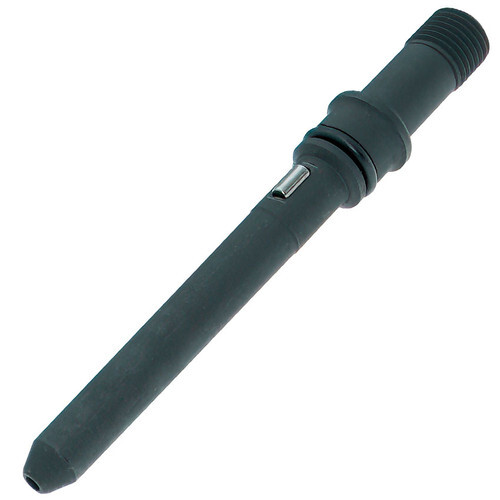
Fuel injectors cost $200 to $400 each depending on application and whether new, remanufactured, or OEM. A complete set of eight injectors for a V8 diesel can exceed $3,000. Quality remanufactured injectors from companies like Bostech provide OEM performance at reduced cost.
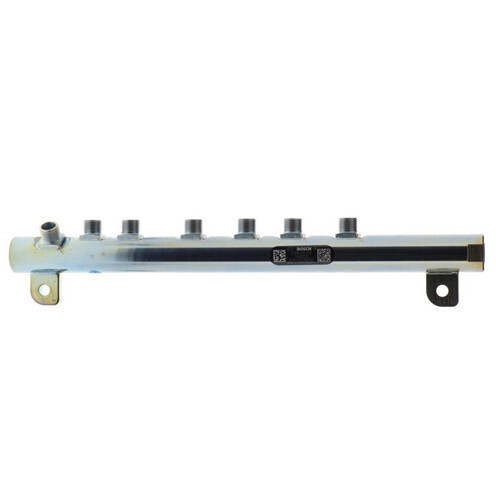
Fuel rails range from $200 to $500 each, with most V8 applications requiring two. Aluminum rails are particularly susceptible to DEF corrosion and often require replacement after DEF contamination.
High pressure fuel lines range from $50 to $200 per line depending on application. Complete line sets may cost $400 to $1,200.
Fuel filters represent minimal cost at $30 to $100 depending on application but should always be replaced after any contamination event.
Labor Costs by Repair Level
Labor represents a significant portion of contamination repair costs because of the extensive disassembly required.
Basic tank drain and flush typically requires 2 to 4 hours of labor. At typical shop rates of $100 to $150 per hour, labor adds $200 to $600 to parts costs.
Complete low pressure system service including tank drop, cleaning, filter replacement, and line flushing requires 4 to 8 hours. Labor adds $400 to $1,200.
Full fuel system replacement including high pressure components requires 15 to 30 hours depending on vehicle configuration. Labor adds $1,500 to $4,500 or more.
CP3 or DCR conversion requires similar labor to pump replacement but may involve additional time for tuning or programming. Allow 8 to 16 hours for complete conversion including system bleeding and testing.
Dealer vs Independent Shop Costs
Repair costs vary significantly between dealer service departments and independent diesel shops.
Dealers typically charge premium labor rates and require OEM parts. Complete fuel system replacement at a dealer commonly exceeds $15,000 and may approach $20,000 for complex contamination events.
Independent diesel specialists often achieve the same results for 30 to 50 percent less than dealer pricing. Lower labor rates, willingness to use quality aftermarket parts, and focus on practical solutions rather than parts replacement contribute to savings.
When evaluating repair options, consider warranty coverage, technician experience, and parts quality rather than focusing solely on price. The lowest quote may not represent the best value if it compromises repair quality.
When to DIY vs When to Call a Professional
Some contamination responses are suitable for experienced DIY enthusiasts while others require professional equipment and expertise.
DIY Appropriate Tasks
Certain maintenance and minor contamination responses can be handled by mechanically inclined owners with basic tools.
Fuel testing for water and microbial contamination requires no special skills or equipment. Test kits include complete instructions, and regular testing helps catch problems early.
Draining the water separator is routine maintenance that all diesel owners should understand. The procedure varies by vehicle but typically involves opening a drain valve and collecting the contents. Owner's manuals include specific instructions.
Adding fuel additives requires only basic familiarity with your vehicle's fuel system. Pour additive into the tank before filling with fuel to ensure thorough mixing.
Replacing fuel filters is within reach of most DIY enthusiasts. Filter locations vary by vehicle, but the procedure typically involves draining the filter housing, removing the old filter, installing a new filter, and bleeding air from the system.
For simple contamination events where the engine was never started, tank draining may be a DIY project for owners comfortable with the process. This requires safely raising the vehicle, disconnecting tank connections, lowering the tank, draining and flushing it, and reinstalling. The process is straightforward but physically demanding.
Professional Required Tasks
Many contamination recovery procedures require professional equipment, expertise, or both.
High pressure fuel system service requires specialized tools for line disconnection, system bleeding, and pressure testing. Improper service can damage expensive components or create safety hazards from high pressure fuel.
Injector testing requires equipment that most DIY enthusiasts do not own. Injector test benches evaluate spray pattern, flow rate, and response time to determine whether injectors are salvageable.
CP3 conversion or DCR conversion involves significant modification and may require tuning or programming. Professional installers have the experience to complete conversions correctly and address any issues that arise.
Severe contamination recovery requires systematic inspection of all components to verify complete contamination removal. Missing hidden contamination leads to repeat failures that could have been avoided.
Diagnosing contamination cause when not obvious requires expertise in fuel system operation. Determining whether contamination originated from external sources or internal component failure affects the appropriate recovery approach.
Choosing a Repair Facility
Selecting the right shop for contamination recovery maximizes the chance of successful repair at reasonable cost.
Look for shops specializing in diesel service rather than general automotive repair. Diesel fuel systems require specific knowledge and equipment that general shops may lack.
Ask about experience with your specific contamination type and vehicle platform. Shops that have handled similar cases before will complete repairs more efficiently and with fewer mistakes.
Request itemized estimates that separate parts and labor costs. Compare estimates between shops, understanding that the lowest price is not always the best value.
Verify that the shop will use quality parts appropriate for your application. Cheap parts may reduce initial cost but often fail prematurely, requiring additional repairs.
Ask about warranty coverage for the repair work. Quality shops stand behind their work with meaningful warranties that provide protection if problems arise.
Frequently Asked Questions
Water in diesel fuel typically causes symptoms including hard starting especially in cold weather, rough idle, hesitation during acceleration, reduced power, white or gray exhaust smoke, and illumination of the water in fuel warning light if your vehicle has this feature. Visually, fuel containing significant water may appear cloudy rather than clear and bright. The most reliable detection method is using water finding paste applied to a dip stick that reaches the tank bottom. The paste changes color when it contacts water, providing clear visual indication of water presence and approximate quantity.
DEF in the fuel tank causes severe damage because it is corrosive to fuel system components and does not combust like diesel fuel. If you realize the mistake before turning the key, do not start the engine or even turn the key to accessory position. Have the vehicle towed to a repair facility for tank draining. If the engine was started, DEF circulates through the entire fuel system within seconds, crystallizing as it dries and corroding metal components. Repair typically requires replacement of the entire fuel system from tank to injectors at costs ranging from $8,000 to $20,000.
Early CP4 failure symptoms include difficulty starting, rough idle, loss of power especially under load, and possibly fuel related fault codes. As failure progresses, you may notice fuel pressure dropping below specifications during diagnosis. The most distinctive indicator is finding metal particles or silver colored dust in the fuel filter. If you observe metallic contamination in the fuel system, stop driving immediately because continued operation spreads damage throughout the system. Complete failure typically occurs suddenly with the engine stalling and refusing to restart.
Repair costs depend heavily on contamination type, severity, and whether the engine was operated with contaminated fuel. Simple tank draining when contamination is caught before the engine starts costs $400 to $1,000. Moderate contamination requiring fuel system flushing and filter replacement costs $1,500 to $4,000. Complete fuel system replacement following severe contamination or CP4 pump failure costs $8,000 to $20,000 or more. Independent diesel shops typically achieve costs 30 to 50 percent lower than dealer service departments while delivering comparable results.
Annual testing provides reasonable protection for typical vehicle use with fuel purchased from reputable stations and used promptly. More frequent testing is appropriate for fuel stored in hot or humid climates, bulk fuel storage applications, vehicles or equipment that sit for extended periods, and any situation where fuel quality is uncertain. Testing every 3 months makes sense for these higher risk situations. Any time you observe symptoms that might indicate contamination, test immediately before continuing to use the fuel.
Quality fuel additives cannot prevent all CP4 failures but can significantly reduce risk by restoring lubricity that protects internal pump components. Running a lubricity additive with every tank of fuel helps protect the pump from accelerated wear caused by low lubricity ULSD fuel. Additives also help manage water contamination that accelerates CP4 wear. However, additives cannot compensate for severe contamination, poor quality fuel, or an already damaged pump. For maximum protection, combine additive use with regular filter changes, fuel quality vigilance, and consideration of CP3 conversion for high value applications.
If you realize the mistake before turning the key, do not start the engine. Do not turn the key to any position because this may activate the fuel pump. Have the vehicle towed to a repair facility for tank draining. If you started the engine before realizing the mistake, shut it off immediately and do not attempt to restart. The sooner the engine is shut down, the less damage occurs. Do not try to drive to a shop even if the engine still runs because continued operation spreads damage throughout the fuel system.
Manufacturer warranties typically do not cover damage from fuel contamination because it results from using incorrect fuel or contaminated fuel rather than defective components. However, some comprehensive insurance policies cover contamination damage under the accidental damage clause. Coverage varies by policy and insurer, so review your specific policy or contact your insurance company to determine coverage. If insurance covers contamination damage, document everything thoroughly including fuel receipts, repair estimates, and photographs of contaminated components. Prompt notification to your insurer improves the chance of coverage approval.
Microbial contamination indicators include unusually rapid filter clogging, foul or sulfurous odor from fuel or the tank area, slimy or gelatinous material in filters or fuel samples, and visible growth or sediment in clear fuel containers. Testing with diesel bug test kits provides confirmation and quantification of contamination levels. Immunoassay tests provide results in about 15 minutes, while culture based tests require 24 to 72 hours but provide more detailed information. If you observe indicators suggesting microbial contamination, test promptly because early detection allows treatment before severe damage occurs.
CP3 conversion makes sense for owners who plan to keep their CP4 equipped vehicle long term, use their vehicle for towing or heavy duty applications, operate in areas with questionable fuel quality, or simply want peace of mind that eliminates CP4 failure risk. The conversion costs $2,500 to $4,000 including parts and installation, which compares favorably to the $8,000 to $12,000 cost of CP4 failure repair. Conversion eliminates the reliability concern entirely and allows use of readily available, proven CP3 pumps. For vehicles still under warranty, consider conversion after warranty expiration to avoid warranty complications.
Modern ultra low sulfur diesel fuel naturally degrades through oxidation and can lose significant quality within weeks of production. Fresh diesel has approximately 90 day shelf life under ideal conditions. Factors that accelerate degradation include heat exposure, light exposure, water contamination, air exposure, and temperature fluctuations. Prevention includes storing fuel in sealed containers away from heat and light, keeping tanks full to minimize air space for condensation, using fuel stabilizer additives, rotating stored fuel inventory, and purchasing from high volume stations with fresh fuel. Test stored fuel before use if quality is uncertain.
Draining removes the bulk of contaminated fuel from the tank and accessible system components. Flushing circulates clean fuel through the system to remove residual contamination that draining alone cannot reach. For minor contamination caught before the engine starts, draining the tank and refilling with fresh fuel may be sufficient. For contamination that entered the fuel system, flushing is necessary to remove contamination from lines, filters, pumps, and injectors. For severe contamination like DEF or CP4 failure debris, flushing alone is inadequate and component replacement is required because contamination embeds in materials and hides in crevices that flushing cannot reach.
Some owners install physical barriers or modified filler necks that prevent DEF nozzles from fitting into diesel fill openings. These modifications provide absolute protection against accidental misfueling. However, such modifications may affect warranty coverage or vehicle resale. The most reliable prevention remains careful attention during fueling, taking time to verify you are using the correct filler before pumping. Using a different colored cap or adding visual cues near the diesel filler can help create awareness that triggers verification before each fill.
Contaminated diesel fuel is hazardous waste requiring proper disposal. Do not pour it on the ground, into storm drains, or into regular trash. Contact your local waste management authority for guidance on hazardous waste disposal options in your area. Many auto parts stores and service stations accept used oil and may accept contaminated fuel as well. Commercial fuel polishing services can sometimes reclaim contaminated fuel by removing water and contaminants, making it usable again. Document disposal of contaminated fuel for your records, particularly if pursuing insurance claims for contamination damage.