
6.7 PowerStroke Turbo Problems: Diagnosis, Solutions & Replacement Guide
Feb 28th 2026
Table of Contents
- Introduction: The 6.7 PowerStroke Turbo at a Glance
- 2011 to 2014 Turbo Issues: The Ceramic Bearing Era
- 2015 to 2019 Improvements: The GT37 Upgrade
- 2020 and Beyond: Third Generation Refinements
- Common 6.7 PowerStroke Turbo Failure Symptoms
- Diagnostic Process: Finding the Root Cause
- Replacement Options: OEM, Aftermarket, and Upgraded Turbos
- DIY Replacement Tips: What You Need to Know
- Related Components: What Else to Inspect During a Turbo Job
- Bostech PowerStroke Parts for Your Turbo System
- Frequently Asked Questions
Introduction: The 6.7 PowerStroke Turbo at a Glance
The Ford 6.7L PowerStroke diesel V8 has been the backbone of the Super Duty lineup since 2011, powering everything from F 250 pickups to F 550 cab and chassis trucks. One of the features that sets this engine apart from its predecessors is its unique turbocharger mounting location. Ford placed the turbo deep in the valley of the V8, between the cylinder banks, which led to the engine’s internal nickname: the Scorpion. The exhaust manifolds route exhaust inward rather than outward, feeding the turbo from above with minimal plumbing. This reverse flow cylinder head design improves thermal efficiency and keeps exhaust energy close to the turbine, but it also makes turbocharger service more involved than on previous PowerStroke platforms.
Throughout its production history, the 6.7 PowerStroke has used a variable geometry turbocharger (VGT) to deliver strong low end torque for towing while maintaining high rpm airflow for highway driving. The VGT design uses movable vanes inside the turbine housing that adjust the flow of exhaust gas across the turbine wheel. At low engine speeds, the vanes close down to accelerate exhaust velocity, spinning the turbo faster for quick boost response. At higher speeds and loads, the vanes open to allow maximum airflow without creating excessive backpressure.
While the overall concept has remained the same since 2011, Ford has made significant changes to the turbocharger design across three generations of the engine. Understanding which turbo your truck uses and what problems are common to that generation is critical for accurate diagnosis and cost effective repairs. The first generation (2011 to 2014) used the Garrett GT32 SST, a groundbreaking but ultimately problematic dual compressor wheel design. The second generation (2015 to 2019) switched to the more conventional and more reliable Garrett GT37. The third generation (2020 to present) refined the GT37 platform further while adding power and torque that now reach 475 horsepower and 1,050 lb ft.
This guide covers everything Ford Super Duty owners need to know about 6.7 PowerStroke turbo problems across all model years. Whether you are hearing strange noises from under the hood, dealing with a check engine light and reduced power, or preparing for a turbo replacement, this article will walk you through the diagnosis, solutions, and parts you need to get your truck back on the road.
2011 to 2014 Turbo Issues: The Ceramic Bearing Era
The first generation 6.7 PowerStroke used one of the most innovative turbocharger designs ever fitted to a production diesel truck. The Garrett GT32 SST (Single Sequential Turbocharger) featured a dual sided compressor wheel, an industry first for a production vehicle. Two sets of compressor blades sat on a single shaft, each with its own inlet in the compressor housing. The front set received air through the traditional center opening, while the rear set drew air through a second inlet cast into the upper portion of the housing. This design allowed the turbo to behave like a sequential twin turbo system at low speeds while functioning as a high flow single turbo at full load.
The GT32 SST also incorporated a variable geometry turbine with an externally actuated wastegate. Each compressor wheel had a 46mm inducer diameter, and the turbine wheel measured 64mm at the inducer. Shaft speeds routinely exceeded 100,000 rpm under normal driving conditions and could reach 150,000 rpm or higher in trucks with aftermarket tuning.
The Ceramic Bearing Problem
The Achilles heel of the GT32 SST was its bearing system. The 2011 and 2012 model years used ceramic ball bearings in the center section of the turbo. While ceramic bearings offer lower friction and can handle high speeds in controlled environments, they proved vulnerable to the extreme heat and constant load cycling in the PowerStroke application. The ceramic material is brittle by nature, and when subjected to thermal shock or contaminated oil, the bearings could crack, fragment, or wear unevenly.
When the bearings began to fail, the turbo shaft would develop play, allowing the compressor and turbine wheels to contact their respective housings. This created an unmistakable and deafening screeching sound, often described by owners as sounding like a jet engine or supercharger whine. Oil would leak past the damaged seals, resulting in heavy white or blue smoke from the tailpipe as engine oil burned in the exhaust stream or was ingested into the intake.
Ford recognized the issue relatively quickly. By the 2013 model year, the GT32 SST transitioned to steel ball bearings, which proved more durable under the demanding conditions of the PowerStroke application. However, even the 2013 and 2014 turbos with upgraded bearings were not immune to failure. Many technicians and enthusiasts point to the fundamental problem being that the GT32 SST was undersized for the amount of boost and airflow the engine demanded. The small compressor wheels had to spin at extreme speeds to generate the required boost pressure, and this overspeed condition contributed to premature wear regardless of bearing material.
Failure Patterns and Mileage
First generation turbo failures most commonly occurred between 50,000 and 100,000 miles, with some 2011 models failing as early as 35,000 miles. Trucks that were used for heavy towing, operated with aftermarket tuning, or subjected to frequent short trip driving tended to experience failures sooner. Oil quality and change intervals played a significant role as well. The turbo bearings depend entirely on engine oil for lubrication and cooling, and degraded or contaminated oil accelerated bearing wear dramatically.
The cost of replacing a GT32 SST turbo was substantial due to both the price of the unit and the labor involved in accessing it in the engine valley. Many owners of 2011 to 2014 trucks chose to upgrade to the newer style GT37 turbo from the 2015 and later models rather than replace with another GT32 SST. Retrofit kits became widely available in the aftermarket, making this swap a popular and more reliable long term solution.
2015 to 2019 Improvements: The GT37 Upgrade
For the 2015 model year, Ford made one of the most significant changes in the 6.7 PowerStroke’s history by replacing the GT32 SST with the Garrett GT37 turbocharger. This was not a minor revision. It was a complete redesign that addressed the fundamental limitations of the first generation turbo.
Key Design Changes
The GT37 moved away from the dual compressor wheel concept entirely, returning to a conventional single compressor wheel layout. The new compressor wheel measured 61mm at the inducer, a massive increase over the dual 46mm wheels of the GT32 SST. On the exhaust side, the turbine wheel grew to a 72.5mm inducer, compared to the 64mm turbine in the earlier turbo. These larger wheels on both ends of the shaft meant the turbo did not need to spin as fast to produce the same or greater airflow. Lower shaft speeds translated directly into reduced stress on the bearing system and significantly less overspeed potential.
The GT37 also switched from a ball bearing center section to a journal bearing design. While ball bearings offer slightly faster spool up, journal bearings are cheaper to rebuild and tend to be more tolerant of oil contamination and thermal cycling. The journal bearing configuration proved to be far more durable in real world service, and it also made turbo rebuilds more accessible and affordable for owners who needed them.
Despite the change to a single compressor wheel, the GT37 retained the variable geometry turbine design. The VGT vanes continued to provide excellent low end torque response while allowing high flow at upper rpm ranges. Ford also eliminated the wastegate that was present on the GT32 SST, as the larger turbine and more efficient VGT design made it unnecessary.
Remaining Issues on 2015 to 2019 Models
The GT37 turbo was a dramatic reliability improvement, and turbocharger failures became far less common after 2015. However, these trucks are not completely immune to turbo related problems. Several issues can still arise on second generation 6.7 PowerStroke engines.
VGT vane sticking remains a concern, particularly on trucks that spend a lot of time idling or making short trips where the turbo and exhaust system do not reach full operating temperature. Soot and carbon deposits can build up on the vanes and unison ring, causing them to stick in one position. A stuck VGT can trigger underboost or overboost conditions, reduced power, and diagnostic trouble codes.
Turbo coolant fitting leaks were a known issue on 2015 and 2016 models. The inlet fitting on the turbo coolant circuit could develop leaks, resulting in coolant loss that was sometimes difficult to trace. Ford revised the fitting design for 2017 and later models. Additionally, the 2015 and 2016 models used a different turbo pedestal design than the 2017 to 2019 trucks, which means that upgrading or replacing the turbo sometimes requires a pedestal conversion kit.
Cold side charge pipe failure is another issue that affects second generation trucks. The stock plastic intercooler pipe that carries compressed air from the turbo to the intake manifold can crack or rupture under high boost pressure or extreme temperature changes. This causes an immediate loss of boost and power, and it can sometimes be mistaken for a turbo failure. Replacing the factory plastic pipe with an aftermarket metal charge pipe is a common preventive upgrade.2020 and Beyond: Third Generation Refinements
The third generation 6.7 PowerStroke arrived for the 2020 model year with further refinements across the entire engine. Ford pushed power output to 475 horsepower at 2,600 rpm and an industry leading 1,050 lb ft of torque at 1,600 rpm. These figures were achieved without the need for a fundamentally new turbo platform. Instead, Ford optimized the existing GT37 based turbocharger with improved calibration, better materials in key wear areas, and integration with the new 10 speed TorqShift automatic transmission.
The 10 speed transmission plays an indirect but important role in turbo longevity. With more gear ratios available, the engine can operate in a narrower and more efficient rpm band under load. This means the turbo does not need to work as hard to maintain boost during acceleration and gear changes, reducing peak shaft speeds and thermal cycling. The result is less stress on the turbo over the life of the truck.
Third generation trucks also benefited from an improved fuel injection system capable of up to eight injection events per stroke, along with revised exhaust gas recirculation (EGR) components. The improved combustion efficiency means cleaner exhaust flowing through the turbo, which helps reduce the soot buildup that can cause VGT vane sticking.
Overall, the 2020 and later 6.7 PowerStroke represents the most reliable generation to date. Turbocharger failures are rare on these trucks when maintained properly, and many of the earlier issues with bearings, coolant fittings, and charge pipes have been addressed. However, no turbo is immune to wear over time, and trucks that accumulate high mileage under heavy towing conditions will eventually need turbo service. The EGR cooler remains an area to watch on third generation engines, as it continues to be a common service item across all PowerStroke generations.
Common 6.7 PowerStroke Turbo Failure Symptoms
Recognizing turbo problems early can mean the difference between a straightforward repair and catastrophic engine damage. The turbo on the 6.7 PowerStroke can fail in several ways, and each failure mode presents distinct symptoms. Here is what to watch for across all model years.
Unusual Noises
A failing turbo on the 6.7 PowerStroke typically announces itself with noise long before complete failure occurs. The most common audible symptom is a high pitched whining or whistling sound that increases with engine speed. On first generation trucks with failing ceramic bearings, this sound can escalate into a loud screeching noise that resembles a supercharger. If the compressor or turbine wheel contacts the housing due to shaft play, you may also hear a grinding or scraping sound. Any new or unusual turbo noise warrants immediate inspection.
Exhaust Smoke
Blue or white smoke from the tailpipe often indicates that engine oil is leaking past damaged turbo seals and being burned in the exhaust. On first generation trucks, heavy smoke combined with the characteristic screech is a telltale sign of bearing failure. Light blue haze at startup that clears after a few minutes may indicate minor seal seepage, which is often an early warning sign. Black smoke under load can also be turbo related, as a failing VGT that cannot close properly will result in insufficient boost and poor combustion.
Reduced Power and Limp Mode
The powertrain control module (PCM) closely monitors boost pressure, exhaust backpressure, and VGT position on the 6.7 PowerStroke. When the turbo cannot deliver the commanded boost level, the PCM will reduce engine power to protect the engine and emissions system. This reduced power condition, commonly known as limp mode, is one of the most frequent complaints among PowerStroke owners experiencing turbo issues. The truck may feel sluggish, refuse to accelerate normally, or display a wrench icon on the dashboard.
Oil Leaks Around the Turbo
Because the turbo sits in the engine valley, oil leaks from the turbo seals or oil drain line can be difficult to spot visually. However, oil may pool in the valley or drip down onto other components. Checking for oil contamination in the intercooler piping is a useful diagnostic step. Remove a boot or clamp on the cold side charge pipe and inspect for oily residue. A small amount of oil mist is normal, but excessive wet oil suggests a seal failure.
Diagnostic Trouble Codes (DTCs)
Several OBD II diagnostic trouble codes are commonly associated with 6.7 PowerStroke turbo problems. Understanding these codes can help narrow the diagnosis before tearing into the truck.
P0299 (Turbocharger/Supercharger Underboost): This is the most common turbo related code on the 6.7 PowerStroke. It indicates that actual boost pressure is lower than what the PCM commanded. Causes include VGT vane sticking, bearing failure, boost leaks in the charge air system, a failed exhaust backpressure sensor, or a cracked charge pipe.
P0046 (Turbo/Supercharger Boost Control Circuit Range/Performance): This code points to a problem with the VGT control solenoid or the electronic actuator that controls the vane position. It can be caused by wiring issues, a failed solenoid, or a mechanical problem with the vanes themselves.
P0234 (Turbocharger Overboost Condition): This code indicates boost pressure has exceeded the allowable limit. On first generation trucks, this could be caused by a stuck wastegate. On all generations, a VGT stuck in the closed position can cause overboosting.
P0045, P0047, P0048 (VGT Control Circuit Codes): These codes relate to the electrical circuit for the turbo boost control solenoid, indicating open, low, or high circuit conditions respectively. Check wiring, connectors, and the solenoid itself.
P2262 (Turbo Boost Pressure Not Detected, Mechanical): This code suggests a mechanical failure in the turbo system preventing boost pressure from building. It is commonly associated with severe turbo damage or a major boost leak.
Diagnostic Process: Finding the Root Cause
Proper diagnosis is critical before committing to a turbo replacement on the 6.7 PowerStroke. Several other components can mimic turbo failure symptoms, and replacing a turbo unnecessarily is an expensive mistake. Follow a systematic approach to isolate the problem.
Scan Tool Diagnosis with ForScan
ForScan is the diagnostic tool of choice for most PowerStroke owners and many independent diesel shops. It provides access to Ford specific parameter IDs (PIDs) that generic OBD II scanners cannot read. When diagnosing turbo problems, the following data points are particularly useful.
Monitor the VGT duty cycle while the engine is running. At idle, the VGT should be in a mostly open position (low duty cycle). Under acceleration, the duty cycle should increase as the vanes close to spool the turbo. If the duty cycle is commanding changes but boost pressure is not responding, the vanes may be stuck. Compare commanded versus actual boost pressure to see if the turbo is meeting its targets. Also monitor exhaust backpressure (EBP) to check for restrictions or sensor anomalies.
Physical Inspection of the Turbo
With the engine off, remove the lower intake tube to access the cold side of the turbo. Reach in and spin the compressor wheel by hand. A healthy turbo should spin freely without any binding or rubbing. Next, try to move the shaft up and down and side to side. A small amount of radial play is normal, but if the blades contact the housing at any point, the bearings are worn and the turbo needs attention. Look for any scuffing marks on the inside of the compressor housing, which indicate the wheel has been making contact.
Checking VGT Operation
The VGT vanes can be tested using ForScan or a similar diagnostic tool that can command the VGT actuator through its full range of motion. With the engine running, use the active test function to sweep the VGT from fully open to fully closed while monitoring boost pressure and exhaust backpressure. The vanes should move smoothly across the entire range. Erratic readings, slow response, or no movement at all points to a sticking or failed VGT mechanism.
Oil Line and Seal Inspection
Inspect the turbo oil feed line and oil drain line for restrictions, leaks, or damage. The oil feed line delivers pressurized oil to the turbo bearings, and any restriction in this line will starve the bearings of lubrication. A clogged or restricted oil drain line can cause oil to back up inside the turbo, forcing it past the seals and into the exhaust or intake. Check the oil feed line filter screen (present on 2020 and later models) for contamination. On earlier trucks, inspect the banjo fittings and crush washers on the oil lines for signs of leakage or deterioration.
Ruling Out Other Causes
Before condemning the turbo, check for boost leaks in the intercooler piping, charge air cooler, and all connections between the turbo and the intake manifold. A pressurized air test of the charge air system can reveal leaks that cause underboost symptoms identical to a failing turbo. Also verify that the exhaust backpressure sensor and its tube are clean and functional, as a faulty EBP sensor can set P0299 codes without any actual turbo problem. On trucks with the factory plastic cold side charge pipe, inspect it closely for hairline cracks that may only leak under boost.
Replacement Options: OEM, Aftermarket, and Upgraded Turbos
When the turbo on your 6.7 PowerStroke needs replacement, you have several options ranging from stock replacements to significant performance upgrades. The right choice depends on your budget, how you use your truck, and whether you want to simply restore factory performance or improve upon it.
OEM Stock Replacement
Replacing the turbo with an OEM equivalent unit is the most straightforward option. For 2011 to 2014 trucks, a stock replacement GT32 SST turbo from Garrett is available, though many owners prefer to upgrade rather than replace with the same design that failed. For 2015 to 2019 and 2020 and later trucks, stock replacement GT37 turbos are available from Ford and authorized rebuilders. Expect to pay between $1,800 and $2,500 for an OEM replacement turbo before installation labor.
The 2015+ Turbo Retrofit for 2011 to 2014 Trucks
One of the most popular upgrades for first generation 6.7 PowerStroke owners is retrofitting the newer style GT37 turbo from the 2015 and later models. This swap addresses the fundamental reliability problems of the GT32 SST by providing larger compressor and turbine wheels, a more durable journal bearing center section, and lower operating shaft speeds. Retrofit kits are available from several aftermarket suppliers and include all the adapters, boots, clamps, and hardware needed for a direct fit installation using the factory mounting locations. The cost for a complete retrofit kit typically ranges from $1,500 to $3,000 depending on the brand and any additional performance options included.
Aftermarket Performance Turbos
For owners looking for more performance, several companies offer drop in turbo upgrades with larger compressor wheels, billet compressor wheel construction, and optimized turbine housing designs. Popular options include units with 63mm or 64mm billet compressor wheels paired with high flow turbine wheels. These upgrades can support 500 to 650 rear wheel horsepower with appropriate fueling and tuning modifications. Performance turbos typically range from $2,000 to $4,000 depending on the level of upgrade.
Cost Expectations for a Complete Turbo Job
The total cost of a turbo replacement on the 6.7 PowerStroke depends heavily on the approach taken. A stock replacement at a diesel shop typically runs between $2,000 and $3,500 including parts and labor. Upgrading from the GT32 SST to a GT37 style turbo on a first generation truck adds some cost for the retrofit hardware but pays for itself in improved reliability. A performance turbo upgrade with professional installation can range from $3,000 to $5,000 or more. Labor alone can run $800 to $1,500 depending on the shop, the condition of the existing hardware, and whether a cab on or cab off approach is used.
DIY Replacement Tips: What You Need to Know
Replacing the turbo on a 6.7 PowerStroke is an intermediate to advanced job that many skilled home mechanics can tackle with the right tools and preparation. The turbo’s location in the engine valley makes access challenging, but the job can be done without pulling the cab on most trucks.
Cab On Versus Cab Off
The cab on approach is the most common method for DIY turbo replacement. It requires removing the intake manifold, various sensors, and several brackets and covers to access the turbo from above. While tight, most technicians and experienced home mechanics find that the cab on method is manageable with patience and the right tools. The cab off approach is faster for experienced shops and provides much better access to the turbo and surrounding components. Removing the cab takes additional time upfront but can save time on the actual turbo work, especially if other maintenance is being performed simultaneously. If you are also replacing up pipes, the EGR cooler, or performing other engine valley work, the cab off approach is often worth the extra effort.
Essential Tools and Supplies
A successful 6.7 PowerStroke turbo job requires a thorough set of tools. Beyond standard hand tools, you will want a comprehensive metric socket set including deep well sockets, a set of swivel sockets for tight angles, a quality torque wrench for proper fastener specs, penetrating oil (apply liberally to all turbo fasteners the day before starting the job), new turbo gaskets and seals (never reuse old gaskets), and new oil feed and drain line crush washers. A good quality LED work light is essential for seeing into the engine valley, and having a magnetic parts tray nearby will help keep track of small hardware.
Common Mistakes to Avoid
The most common DIY mistake on this job is reusing old gaskets, seals, or crush washers. The extreme temperatures in the turbo system permanently deform these components, and reusing them almost always leads to leaks. Always use fresh gaskets and hardware.
Another frequent error is not priming the new turbo with oil before installation. Before bolting up the new turbo, pour clean engine oil into the oil inlet fitting and spin the shaft by hand to distribute oil across the bearings. Starting the engine with dry turbo bearings, even briefly, can cause immediate damage.
Take care when routing the oil feed and drain lines. The oil drain line must slope downward from the turbo to the engine block without any kinks or low spots. If the drain line has a sag or restriction, oil will back up inside the turbo and force past the seals.
Finally, after installation, do not immediately load the engine with heavy throttle. Start the truck and let it idle for several minutes to allow oil to fully circulate through the new turbo. Check for leaks, verify boost operation with a scan tool, and then drive the truck gently for the first few miles before putting it under heavy load.
Related Components: What Else to Inspect During a Turbo Job
When the turbo is out of the truck, you have access to several other components that are otherwise difficult to reach. Taking the time to inspect and, if needed, replace these parts while the turbo is removed can save significant labor costs down the road.
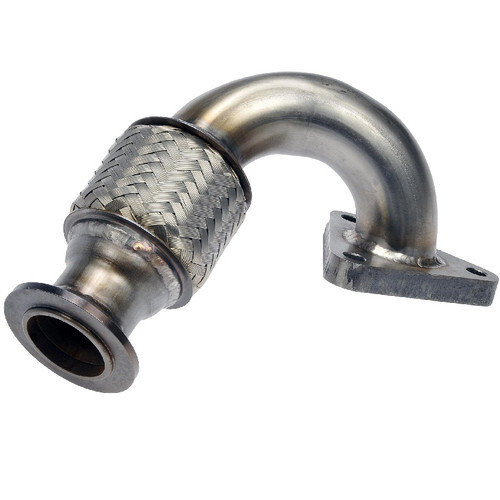
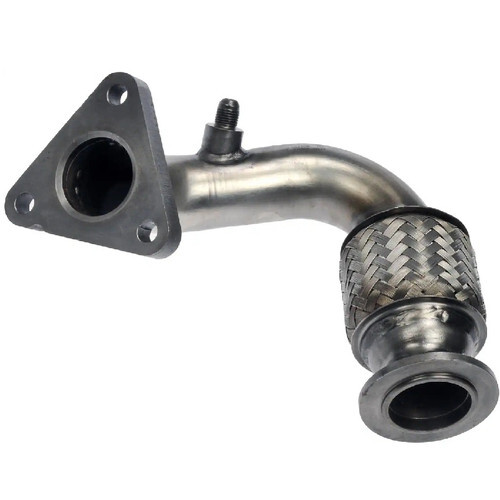
Up Pipes
The up pipes connect the exhaust manifolds to the turbo inlet. On the 6.7 PowerStroke, these pipes live in the engine valley and are subjected to extreme heat. Inspect them for cracks, warping, or deteriorated gaskets. Exhaust leaks at the up pipes reduce the amount of exhaust energy reaching the turbo, decreasing performance and potentially triggering DTCs. If you are replacing the turbo, new up pipe gaskets are strongly recommended at a minimum.
EGR Cooler
The exhaust gas recirculation cooler is located near the turbo in the engine valley. EGR cooler failures have been a common issue across all 6.7 PowerStroke generations, and a failing cooler can cause coolant to enter the exhaust and intake, leading to white smoke that can be mistaken for a turbo seal failure. While the turbo is out, inspect the EGR cooler for signs of leakage, corrosion, or soot buildup. If the cooler is showing signs of age, replacing it during the turbo job makes practical sense.
Turbo Oil Feed and Drain Lines
The oil feed line delivers pressurized engine oil to the turbo bearings, and the drain line returns oil to the crankcase. Over time, the feed line can develop internal restrictions from carbon buildup or degraded seals, and the drain line can become clogged or kinked. Replace the feed and drain lines any time the turbo is removed, along with all associated gaskets and crush washers. This is inexpensive insurance against bearing failure on your new turbo.
Gaskets and Seals
A turbo installation kit that includes all necessary gaskets, seals, and hardware is a worthwhile investment. Components like the turbo pedestal gasket, exhaust manifold to up pipe gaskets, oil line seals, and V band clamp gaskets should all be replaced as part of the job. Bostech and BT Power offer turbo installation kits designed specifically for PowerStroke engines, with gaskets and seals manufactured to OEM specifications for reliable fit and sealing performance.
Cold Side Charge Pipe
If your truck still has the original factory plastic charge pipe, consider upgrading to a metal replacement while the turbo area is accessible. A burst charge pipe under load will leave you stranded on the side of the road with no boost, and the failure can introduce debris into the intake system. Aftermarket metal charge pipes are available in aluminum and steel and provide a permanent solution to this common failure point.
Bostech PowerStroke Parts for Your Turbo System
Bostech Auto specializes in remanufactured and new diesel engine components designed to deliver OEM equivalent performance at a more accessible price point. When servicing the turbo system on your 6.7 PowerStroke, several Bostech and BT Power products can help ensure a reliable, long lasting repair.
Bostech offers turbo installation kits that include all the gaskets, seals, and hardware you need for a complete turbo replacement on PowerStroke engines. These kits are manufactured in an ISO 9001 certified facility and meet original equipment specifications for both form and fitment. Using a comprehensive installation kit eliminates the guesswork of sourcing individual gaskets and ensures that every sealing surface is addressed during the job.
For the 6.0L PowerStroke (which many owners also maintain alongside their 6.7L trucks), Bostech provides turbocharger up pipes, exhaust backpressure sensors, and turbo oil lines. The Bostech up pipe kits feature stainless steel construction for improved durability and corrosion resistance compared to factory steel pipes.
Beyond turbo specific parts, Bostech is well known for its Gold Series and Silver Series remanufactured fuel injectors for the 6.7 PowerStroke. Because turbo failures on first generation trucks can sometimes send debris into the intake tract and affect fuel system components, a turbo replacement is often a good time to evaluate the condition of your injectors. Bostech remanufactured injectors are built to exact OE specifications and backed by a 24 month unlimited mileage warranty.
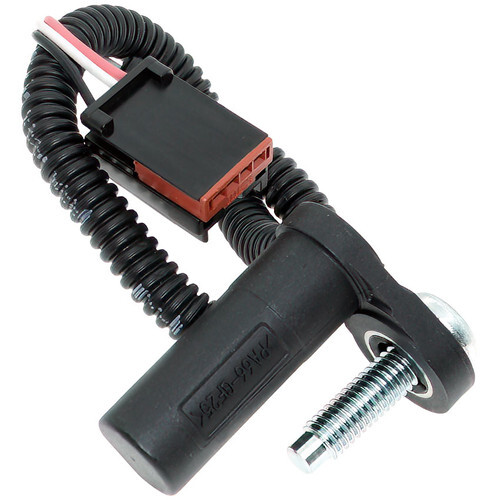
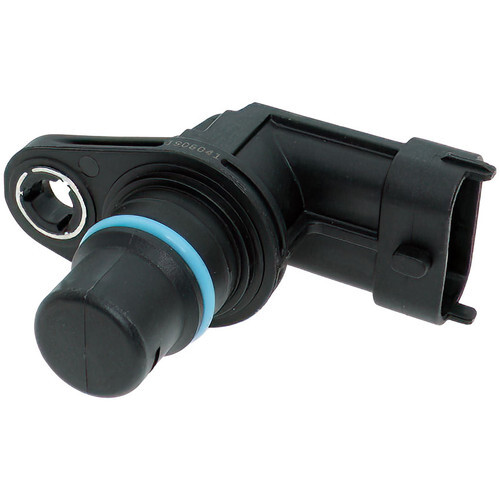
Bostech also supplies sensors, wiring pigtails, and adapter harnesses that are frequently needed during turbo system service. Products like turbo speed sensors, variable vane position sensors, exhaust gas temperature sensors, and their associated wiring connectors are all available. Having these parts on hand can save time and avoid delays if you discover a damaged connector or sensor during the turbo job.
Visit bostechauto.com and search by your vehicle’s year, make, model, and engine to find compatible turbo system parts, fuel injectors, sensors, and gasket kits for your 6.7 PowerStroke Super Duty.
Frequently Asked Questions
Turbo lifespan varies significantly by generation. On 2011 and 2012 models with the original ceramic bearing GT32 SST, failures commonly occurred between 50,000 and 100,000 miles. The 2013 and 2014 models with steel bearings lasted somewhat longer but were still prone to the overspeed issues inherent in the GT32 design. On 2015 and later trucks with the GT37 turbo, the turbocharger can often last 200,000 miles or more with proper maintenance, regular oil changes, and reasonable driving habits.
The primary causes differ by generation. On first generation trucks (2011 to 2014), the undersized GT32 SST turbo was the root cause, with ceramic bearing fragility making it worse on early models. Across all generations, poor oil quality, extended oil change intervals, excessive idling, soot contamination of VGT vanes, and aftermarket tuning that pushes the turbo beyond its design limits are common contributing factors
Yes, and this is one of the most popular upgrades for first generation 6.7 PowerStroke trucks. Retrofit kits are available from several aftermarket companies that include all the necessary adapters, boots, clamps, and hardware for a direct fit installation. The GT37 turbo from the 2015 and later models offers larger compressor and turbine wheels, journal bearings, and significantly improved reliability. Some trucks may require a PCM calibration update after the swap
P0299 is an underboost condition code, meaning the PCM detected that actual boost pressure is lower than what was commanded. While it is commonly associated with turbo problems, it can also be caused by boost leaks in the charge air system, a faulty exhaust backpressure sensor, a stuck VGT, a cracked charge pipe, or even electrical issues. A thorough diagnostic process is needed to determine the actual cause before replacing parts
Total replacement cost depends on the approach. A stock turbo replacement at a diesel shop typically runs $2,000 to $3,500 including parts and labor. Upgrading from a GT32 SST to a GT37 on a first generation truck may cost slightly more for the retrofit kit but provides better long term reliability. Performance turbo upgrades with professional installation can range from $3,000 to $5,000 or more. DIY replacement can significantly reduce the cost, as labor is a substantial portion of the total
Yes, many skilled home mechanics have successfully replaced the turbo on the 6.7 PowerStroke using the cab on method. The job requires intermediate to advanced mechanical ability, a comprehensive tool set, patience, and careful attention to torque specifications and oil line routing. Plan for a full weekend if it is your first time. Having a service manual or detailed video guide on hand is highly recommended
The most common symptoms include a high pitched whining or screeching noise from the engine area, blue or white smoke from the exhaust, reduced power or limp mode activation, excessive oil consumption, oil contamination in the charge air piping, and diagnostic trouble codes such as P0299, P0046, or P0234. Any combination of these symptoms warrants immediate inspection
At a minimum, you should replace the up pipe gaskets any time the turbo is removed. If the up pipes themselves show signs of cracking, warping, or excessive corrosion, replacing them during the turbo job makes practical and financial sense because they are difficult to access otherwise. Stainless steel aftermarket up pipes offer improved longevity over the factory steel units
Yes, the third generation 6.7 PowerStroke has the most reliable turbocharger of any generation. The refined GT37 platform, combined with the 10 speed transmission that keeps the engine in a more efficient rpm range, improved combustion, and better calibration, has resulted in very few turbo failure reports on 2020 and later trucks. Proper maintenance remains essential to long term reliability
Bostech and its BT Power division offer turbo installation gasket kits, sensors, wiring harnesses, and related components for PowerStroke diesel engines. Bostech also supplies remanufactured fuel injectors, EGR coolers, and other engine components for the 6.7 PowerStroke. All Bostech products are manufactured to OEM specifications and backed by industry leading warranties. Visit bostechauto.com for a complete catalog searchable by vehicle year, make, and model
Disclaimer: This article is provided for informational and educational purposes only. Always consult a qualified diesel technician for diagnosis and repair of turbocharger and engine problems. Bostech Auto is not affiliated with Ford Motor Company, Garrett Motion, or any original equipment manufacturer. Brand names are used for reference and compatibility purposes only